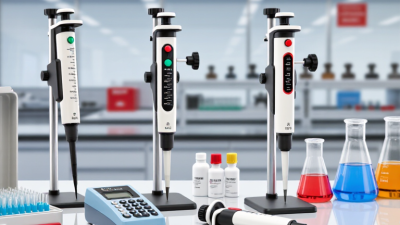
7 Tips for Choosing the Best Medical Pipette

Choosing a medical pipette can seem straightforward until volume range, sample type, and daily workload begin to conflict. A model that performs well for routine transfers may not suit viscous liquids or repeated low-volume dispensing. Small details matter. Tip compatibility, clear volume markings, and a comfortable grip can influence accuracy and ease of use across a busy shift. The right choice depends on the task, not just the product description.

Reliable selection also calls for checking documented performance, calibration support, and cleaning requirements against your laboratory’s procedures. Published accuracy and precision specifications are useful, but they should be considered alongside the volumes you actually handle. A pipette must also work with the tips and any accessories your process requires. Fit matters. Even a well-reviewed instrument can feel awkward after hours of repetitive work, and no single design suits every hand or workflow. That is easy to overlook when comparing specifications on a screen.

These seven tips offer a practical way to assess a medical pipette before purchasing or replacing one. They focus on matching capacity to routine use, evaluating handling, and verifying service and maintenance information. Small compromises can have consequences, so avoid relying on one feature alone. The final choice should be supported by the manufacturer’s technical documentation and your organization’s own evaluation. And if the best option remains unclear, that uncertainty is worth examining rather than ignoring.

7 Tips for Choosing the Best Medical Pipette

Identify the Intended Medical Pipette Applications

Start by defining the task the pipette will perform. Will it transfer a small serum sample, dispense a reagent, or prepare several test wells? These jobs can require different volume ranges and handling features. A pipette suited to routine liquid transfer may not fit viscous samples or repeated, high-throughput dispensing. That distinction matters.

Match the instrument to the sample and workflow. For small, precise transfers, check that its working range covers the required volume without routinely operating at the edge of that range. If samples must remain separate, consider disposable tips and a workflow that limits carryover. For repeated dispensing across a plate, a multichannel pipette may reduce handling time, provided its channels suit the plate format. Some liquids cling to tips more than expected; test representative fluids under your actual conditions.

Consider who will use it and how often. A pipette used throughout a long shift should be comfortable to hold, with controls that are easy to operate consistently. Confirm that calibration and maintenance can be performed on a suitable schedule, and record checks according to your laboratory’s procedures. I have seen teams focus on maximum precision while overlooking tip availability and cleaning time. Those practical details can shape whether a pipette performs reliably in daily use.

Compare Pipette Types and Volume Ranges

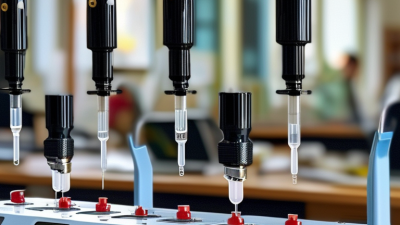
Medical pipettes differ in how they handle liquid and how much they hold. Air-displacement micropipettes commonly cover microliter ranges, such as 0.1–1,000 μL, across different models. They suit routine transfers of aqueous samples, but accuracy can shift with temperature, technique, or liquid properties. A tiny bubble matters.

Positive-displacement pipettes use a piston that contacts the sample directly. This design can help with viscous, volatile, or foaming liquids, though disposable tips may add cost. For larger transfers, serological pipettes often measure milliliter volumes, commonly from 1 to 50 mL. Their graduations make it easier to read a meniscus, but careful alignment is still needed.

Match the range to the volume you actually dispense. A pipette used near the bottom of its range may be less reliable than one sized for that task. For occasional small transfers, a suitable adjustable micropipette may be practical; repeated work at one volume may call for a fixed-volume option. Check the stated accuracy and precision, and follow the instrument’s calibration schedule. Volume ranges vary by model, so verify the manufacturer’s specifications rather than assuming two pipettes behave alike.

Some choices are less convenient than expected. That deserves a second look.

Evaluate Accuracy, Precision, and Calibration

A pipette’s volume setting is only a target; accuracy must be demonstrated by measurement. ISO 8655-2:2022 sets maximum permissible errors for pipettes, with limits tied to nominal volume. Its companion, ISO 8655-6:2022, describes a gravimetric reference procedure: dispense water, weigh it, and convert mass to volume. The details matter. Water temperature affects density, while evaporation and drafts can distort readings. Small errors travel.

Compare accuracy and precision separately. Accuracy describes how close the average delivered volume is to the target; precision shows how tightly repeated dispenses cluster. Ask for calibration results at the volumes you actually use, not only at maximum capacity. A certificate should identify the method, test points, measurement uncertainty, and results before and after adjustment, when available. A tidy certificate is not the whole story. Check that the test conditions resemble your bench, especially if temperature or handling differs. Set recalibration intervals using workload, past performance, and handling conditions. There is no perfect interval for every laboratory, and a calendar reminder cannot replace watching for drift. When results look unusually neat, review the raw measurements; real-world technique is rarely flawless.

Check Ergonomics, Materials, and Compatibility

A pipette should feel steady during repeated transfers, not merely light in the hand. Check whether the grip suits different hand sizes and whether the plunger moves smoothly without excessive thumb pressure. A long session can make a small design flaw noticeable. Try the instrument with gloves, and test its balance while dispensing at a bench. Comfort is personal, so one quick trial may not reveal much.

Materials matter when pipettes meet cleaning agents, disinfectants, and routine handling. Look for surfaces that are easy to wipe and materials compatible with the chemicals used in your laboratory. Do not assume every model can be autoclaved; confirm its care instructions. A textured grip can help with control, though grooves may collect residue if cleaning is rushed. I have found that this detail is easy to overlook.

Compatibility includes more than the pipette and its tips. Check the volume range, tip fit, and intended liquid type against the procedures you perform. A loose tip can cause leaks or inconsistent dispensing, while a poor match may waste time during busy work. A snug fit matters. Review the manufacturer’s specifications and test representative samples before routine use. Even then, keep an eye on handling differences between users; the “best” fit is not always universal.

Choosing a Medical Pipette: Typical Volume Ranges

Match the pipette’s working range to the volumes you handle. The ranges shown are common examples; exact ranges vary by model.

Ergonomics, wetted materials, and tip compatibility also matter: choose a comfortable pipette made from materials suitable for your liquids, and verify that its tips fit securely.

Review Maintenance, Compliance, and Total Cost

A medical pipette’s purchase price tells only part of the story. Check how often it needs calibration, whether routine cleaning is straightforward, and how quickly worn seals or other parts can be replaced. A pipette that is difficult to maintain may spend more time out of use. Ask for clear maintenance instructions and keep service records with the instrument.

Tip 1: Match maintenance needs to your laboratory’s workload. Daily use can call for more frequent checks than occasional use, but follow the manufacturer’s instructions and your laboratory’s procedures. Tip 2: Review compliance documentation before buying. Confirm that calibration records, accuracy specifications, and operating instructions support your quality system. Requirements differ by setting, so avoid assuming one certificate covers every need. Small details matter.

Tip 3: Compare total cost over the expected service life, not just the invoice. Include calibration, consumables, repairs, staff training, and possible downtime. That can be costly. Tip 4: Consider whether the pipette feels comfortable during repeated transfers, and test it with the tips and liquids used in your workflow. A neat checklist can still miss real handling issues. Record the reasons for your choice, including any trade-offs, so future reviews can assess whether the instrument performed as expected.

7 Tips for Choosing the Best Medical Pipette — Review Maintenance, Compliance, and Total Cost

Tip What to Evaluate Practical Check Maintenance, Compliance, and Cost Considerations
1 Volume range and accuracy needs Match the pipette’s operating range to the volumes used in your validated procedures. Check the stated accuracy and precision at relevant volumes. Using a suitable range helps avoid relying on volumes near the limits of a pipette’s range. Confirm performance against the method’s requirements rather than choosing on range alone.
2 Application and pipette type Decide whether the work calls for a single-channel, multichannel, fixed-volume, or adjustable-volume pipette. Consider sample viscosity, volatility, and sensitivity where relevant. Some applications may require specialized handling or compatible consumables. Include those consumables and any additional training in the purchase and operating-cost estimate.
3 Ergonomics and usability Assess grip, plunger force, tip-ejection effort, display readability, and ease of volume adjustment. If possible, have intended users try the pipette. Comfort and straightforward controls can support consistent use, especially during repetitive work. Consider user training and the time required for routine tasks.
4 Cleaning and routine maintenance Review the cleaning instructions, which components can be disassembled, and whether parts can be sterilized using the methods required by your laboratory. Follow the pipette’s instructions for cleaning, inspection, and service. Estimate the cost of routine checks, replacement parts, labor, and any service-related downtime.
5 Calibration and performance verification Check whether calibration or verification records can be supplied and whether the device can be tested at the volumes and intervals your procedures require. ISO 8655 provides requirements and test methods for piston-operated volumetric apparatus. Confirm which requirements apply to your equipment and procedures; set verification intervals based on applicable rules, risk, use, and documented laboratory policy.
6 Documentation and compliance fit Confirm that available records support your quality system, such as identification, calibration status, maintenance history, and instructions for use. Laboratories should follow the regulations, accreditation requirements, and quality procedures applicable to their location and testing. Establish how equipment records and out-of-tolerance results will be handled before purchase.
7 Total cost of ownership Compare the expected costs over the intended service life, not just the purchase price. Include compatible tips and other consumables, calibration, routine service, repairs, training, downtime, and eventual replacement or disposal. Use the same time period and assumptions when comparing options.