What Is a Pipette in Science?
A pipette is a laboratory tool for measuring and transferring liquid with controlled volume. In pipette science, this simple action supports experiments in biology, chemistry, medicine, and environmental testing. A tiny droplet may contain a sample, a reagent, or a carefully prepared standard. Small differences matter.
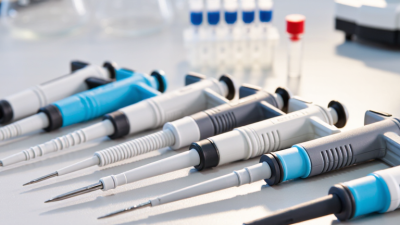
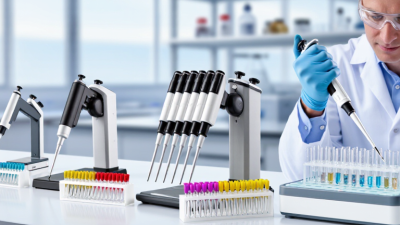
Pipettes come in several forms. Adjustable micropipettes handle small volumes, while serological pipettes are commonly used for larger amounts. Transfer pipettes can move liquid, but they may not provide the same precision as calibrated instruments. Choosing the right type depends on the volume, liquid, and method. A pipette is not automatically accurate just because it has measurement markings.
Reliable results also depend on technique. A researcher selects an appropriate volume, fits a clean tip, and handles the plunger steadily. Air bubbles, incomplete dispensing, or a tilted tool can affect the amount delivered. Calibration and routine inspection help confirm that a pipette performs as expected. The details count.
This guide explains what a pipette does, how common designs differ, and where these tools appear in scientific work. It also looks at accuracy, care, and basic handling practices. There is no single technique for every instrument or liquid; laboratory procedures should always guide use. Even familiar tools deserve attention. A rushed measurement can quietly influence an entire set of results, and that is easy to overlook.
Pipette Definition and Role in Laboratory Science
A pipette is a laboratory instrument that measures and transfers small volumes of liquid. Some models use a piston and disposable tip; others rely on glass tubes and gravity. The job sounds simple. It is not. A tilted instrument, rushed plunger release, or liquid left on the tip can change the delivered volume. In routine practice, steady hand position and consistent technique matter as much as the scale on the device.
Pipettes help scientists prepare solutions, dispense samples, and run tests where volume affects results. ISO 8655-2:2022 sets performance requirements for piston-operated volumetric apparatus. For a 100 μL pipette, its stated maximum permissible systematic error is 0.8 μL, with a maximum permissible random error of 0.3 μL. These limits show why calibration and regular checks are important. A pipette can look clean and still deliver inconsistently.
Temperature and liquid properties also matter. A viscous sample may cling to the tip, while a warm hand can affect air inside an air-displacement pipette. Use the recommended aspiration and dispensing technique, and change tips when the protocol requires it. Small errors accumulate. Even careful work has limits, so results should be checked rather than assumed accurate.
Key Parts and How a Pipette Measures Liquid
A pipette’s volume setting is only one part of the measurement. The plunger moves a piston inside the body, while the volume display shows the selected setting. The shaft and disposable tip form the path for liquid. In an air-displacement pipette, the piston shifts air above the liquid, drawing liquid into the tip. Pressing the plunger to its first stop sets the aspiration position; pressing farther expels remaining liquid. Small parts matter. A loose tip or wet exterior can change what reaches the receiving tube.
ISO 8655-2:2022 specifies performance limits for piston-operated volumetric apparatus. For a 100 μL air-displacement pipette, its maximum permissible systematic error is 0.8 μL, and its random error limit is 0.3 μL. These are acceptance limits, not a promise that every transfer will be exact. Temperature, technique, and liquid properties can affect results. Hold the pipette upright while drawing, immerse the tip only slightly, and release the plunger steadily. Even experienced users can rush this step. Regular gravimetric checks—comparing dispensed water’s mass with its expected volume—help reveal drift that a display cannot show. A clean-looking pipette may still need calibration.
Common Types of Scientific Pipettes
What Is a Pipette in Science?
Common Types of Scientific Pipettes
Scientific pipettes transfer measured amounts of liquid, but different designs serve different tasks. A volumetric pipette delivers one specific volume, such as 10 milliliters. Its bulb-shaped center and narrow neck help provide accurate measurements. Graduated pipettes have measurement markings along the tube, allowing users to dispense several volumes. They are versatile, though reading the meniscus at eye level takes care. Small details matter.
Micropipettes handle tiny volumes, often measured in microliters. A plunger draws liquid into a disposable tip, then releases it into a tube or well. The selected volume must fall within the instrument’s stated range, and the tip should fit securely. Technique matters. Slow, steady movements help prevent bubbles and inconsistent transfers. Pasteur pipettes and simple transfer pipettes are useful for moving liquid without precise measurement. They suit quick transfers, but are not substitutes for calibrated tools. The distinctions can blur in everyday work; checking the pipette’s purpose, cleanliness, and calibration is wiser than assuming all pipettes measure equally well.
How to Use a Pipette Safely and Accurately
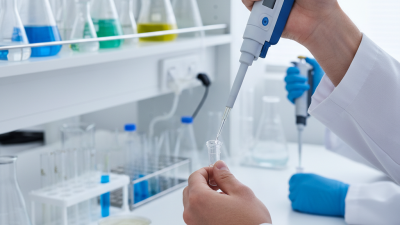
A pipette transfers a measured amount of liquid, but accuracy depends on how it is handled. Before use, check that it is clean, undamaged, and suitable for the liquid and volume. Set the volume within the instrument’s stated range. Attach a fresh tip firmly, then press the plunger to its first stop before lowering the tip into the liquid. Release it slowly. Small details matter. Keep the pipette upright while drawing liquid, and check for air bubbles or droplets on the outside of the tip.
To dispense, touch the tip to the vessel wall and press the plunger smoothly to the first stop, then to the second stop if the pipette requires it. Keep your pace consistent; rushing can leave liquid behind. Change tips between samples to reduce carryover, and never pipette by mouth. Wear appropriate eye protection and gloves when the material or procedure calls for them. Dispose of tips as directed by your lab’s procedure. Not every liquid behaves alike: thick or volatile liquids may need a different technique or tool. Even careful users can miss a bubble, so pause and inspect the tip before recording a measurement.
Applications and Sources of Measurement Error
What Is a Pipette in Science?
Applications and Sources of Measurement Error
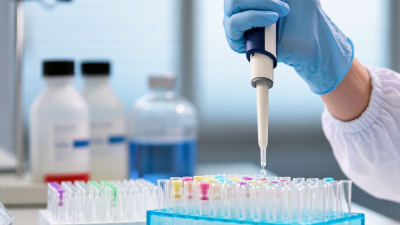
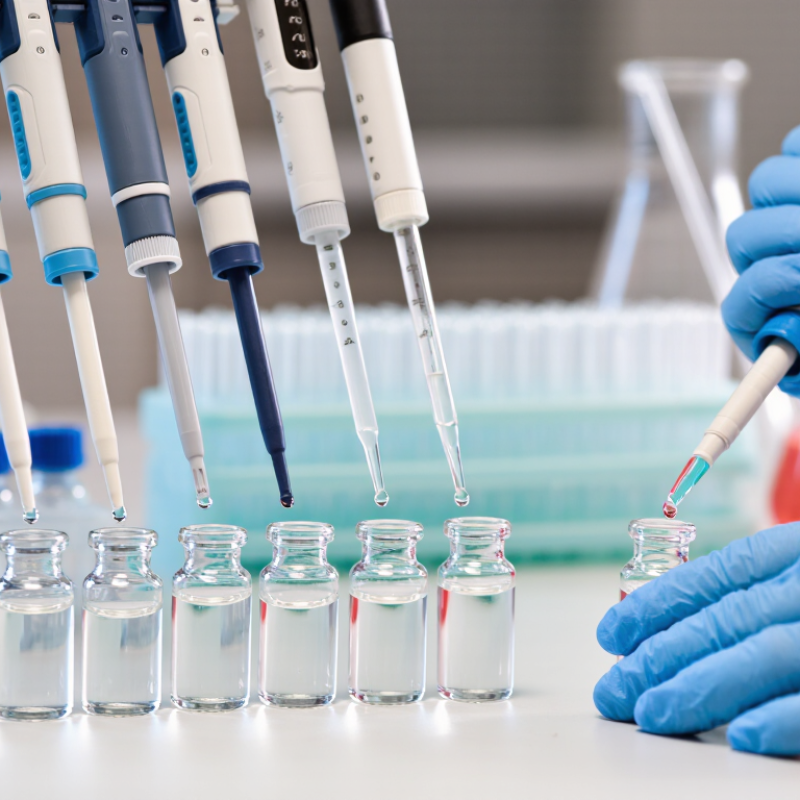
A pipette transfers measured liquid volumes in settings such as biology labs, clinical testing, and water analysis. Researchers use it to prepare dilutions, add reagents, or move a small sample into a test vessel. At a bench, that might mean dispensing a clear drop into a row of tiny wells. Small volume differences can change a concentration or shift an experimental result. Precision matters.
Errors can begin with the instrument, but technique matters too. A pipette that is out of calibration may deliver more or less liquid than its setting suggests. Holding it at an angle, releasing the plunger too quickly, or leaving liquid on the tip can also affect delivery. Temperature and liquid thickness matter: a viscous solution may not flow like water. Pre-wetting the tip can help with some liquids, while using the wrong tip or technique may add variation. Even careful work can drift.
A smooth motion is not proof of accuracy. That is easy to forget. For routine checks, laboratories can weigh repeated deliveries of water on a suitable balance and compare the results with the expected volume, accounting for water temperature. Consistent handling, clean equipment, and scheduled calibration help reveal problems before they spread across a batch of samples. Notes on the operator and conditions can help explain an odd result later.