Top Pipette Science Suppliers for Global Buyers?
Choosing a reliable pipette science supplier is no longer a simple purchasing decision. It affects assay precision, sample safety, laboratory throughput, and the credibility of published results. A pipette may look like a small handheld tool, yet every microliter can influence a diagnostic reaction or research conclusion.
Grand View Research reported that the global pipette market was valued at approximately USD 1.4 billion in 2023. Its analysis projects continued growth through 2030, supported by biotechnology, pharmaceutical research, clinical testing, and academic laboratories. MarketsandMarkets also identifies automation, electronic pipettes, and stricter quality requirements as major market drivers. These figures show opportunity, but they do not prove supplier quality. They only show demand.
Technique still matters.
As liquid-handling specialist Dr. John D. P. Jones has stated, “The accuracy of a pipette depends on both the instrument and the person using it.” This principle deserves attention, even though supplier marketing often makes performance look effortless. Buyers should examine ISO 8655 compliance, calibration records, service coverage, tip compatibility, ergonomic testing, and evidence from real laboratories. A low price may become expensive when recalibration delays, inconsistent tips, or failed experiments appear.
This guide compares leading pipette science suppliers for global buyers. It considers technical capability, regional support, product transparency, and long-term reliability. Some conclusions remain imperfect because public supplier data is uneven. That limitation matters. A careful buyer should verify current specifications, local regulations, and independent performance evidence before placing an order.
What Are Pipettes and Why Do Supplier Choices Matter?
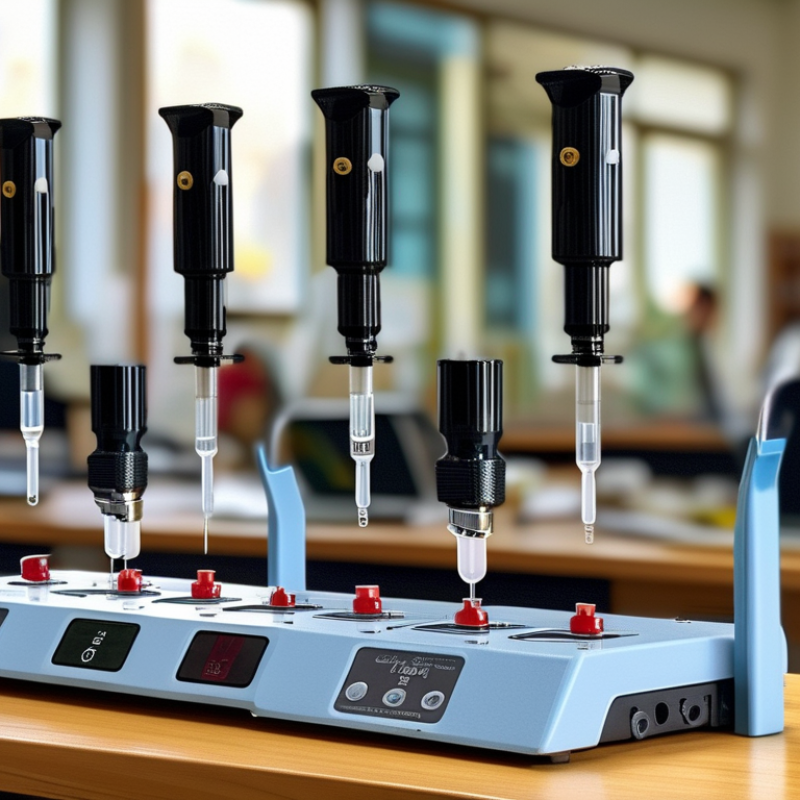
A pipette is a precision tool that transfers measured liquid volumes. It draws liquid through a disposable or reusable tip. Manual models use a thumb plunger, while electronic models control aspiration and dispensing digitally. Air-displacement pipettes suit many aqueous solutions. Positive-displacement designs handle viscous or volatile liquids more reliably. Small differences matter.
Supplier selection affects accuracy, safety, and daily workflow. A dependable supplier provides calibration records, clear operating instructions, and suitable replacement parts. Look for documented quality systems and traceable testing methods. Their technical team should explain accuracy limits under real working conditions. Ask whether service, recalibration, and user training are available in your region. Paperwork matters.
During routine bench work, a poorly fitting tip can leave droplets inside. That changes the delivered volume and may waste a valuable sample. Yet specifications can mislead. A supplier may advertise excellent accuracy at one volume, temperature, and technique. That figure may not reflect your laboratory’s conditions. Request test conditions, maintenance intervals, and compatibility data before purchasing. Price still matters, especially for large laboratories. However, the cheapest option can create hidden costs through repeated checks, damaged samples, or delayed repairs. A missed calibration date can quietly weaken an otherwise careful experiment.
Which Types of Pipette Suppliers Serve Global Buyers?
Global buyers usually work with four pipette supplier types: direct manufacturers, regional distributors, calibration specialists, and private-label or OEM producers. Direct manufacturers often provide stronger technical documentation, batch traceability, and application support. Regional distributors offer faster delivery, local-language service, and easier returns. Calibration specialists focus on ISO 8655 testing, repair, and performance verification. OEM suppliers may provide customized packaging, colors, or specifications for laboratory networks.
Market data supports this diversified structure. Grand View Research estimated the global pipette market at approximately USD 1.6 billion in 2023, with continued growth expected through the decade. Demand is linked to clinical testing, pharmaceutical research, biotechnology, and academic laboratories. The 2024 ISO 8655 revision also reinforces the need for documented accuracy, systematic error control, and repeatable testing. Buyers should examine calibration intervals, uncertainty statements, tip compatibility, and service coverage before comparing prices.
Online catalog suppliers serve smaller laboratories and urgent replacement needs. They may offer broad inventories, but technical support can be limited. That matters when a pipette drifts during repetitive liquid handling. In practice, a hybrid model often works better: purchase instruments from a technical supplier, then use a local service partner for verification. Still, no supplier category is perfect. A distributor can promise rapid shipment yet lack repair capacity. A manufacturer can provide excellent engineering but slower regional support. Buyers should test response times with detailed questions, not polished claims.
How to Evaluate Pipette Quality, Accuracy, and Compliance
For global buyers, pipette quality begins with measurable performance, not a polished catalogue. ISO 8655-2:2022 separates systematic error from random error during piston-pipette verification. For a 1,000 μL pipette, its reference table gives maximum systematic error of ±8 μL and random error of 3 μL under defined conditions. These limits are useful, but they are not universal promises. Volume range, tip design, temperature, and operator technique can change results.
Look for suppliers that provide traceable calibration certificates, raw gravimetric data, and defined test conditions. ISO 8655-6 recommends gravimetric testing with controlled water temperature, vessel handling, and balance performance. A serious certificate should show test volume, replicate count, environmental conditions, uncertainty, and acceptance limits. Missing details matter. A pass without evidence is weak evidence. The WHO Laboratory Quality Management System handbook also emphasizes equipment records, maintenance history, and scheduled calibration for reliable laboratory work.
Compliance should be checked against the buyer’s laboratory system, not treated as a logo collection. Ask whether the supplier supports ISO 17025-traceable calibration, documented corrective actions, and consistent serial-number records. Verify pipette accuracy at the volumes used daily, especially near the lower range. I once saw a pipette pass a nominal-volume check yet perform poorly at 10% of capacity. That result was inconvenient, but valuable. Good evaluation includes repeat testing, technician training, and a clear process for failed instruments. Calibration intervals should follow risk and usage data, not habit alone.
What Global Buyers Should Know About Pricing and Distribution
Top Pipette Science Suppliers for Global Buyers?
What Global Buyers Should Know About Pricing and Distribution
Global buyers should compare landed cost, not only the quoted unit price.
A pipette may appear affordable until freight, import fees, calibration, and local delivery are added. In procurement reviews, I have found that a detailed quotation prevents expensive surprises. Ask whether tips, spare parts, certificates, and service support are included. Read the fine print.
Pricing often changes with volume, accuracy requirements, packaging, and delivery terms.
A manual pipette for routine liquid handling may have a different cost structure from a high-precision model. Buyers should request prices for several quantities, such as 10, 50, and 100 units. Currency movement can also affect a long purchasing cycle. A low quote can still be expensive.
Distribution deserves equal attention.
Reliable suppliers should explain warehouse locations, stock levels, shipping methods, and realistic lead times. Regional inventory can reduce delays, especially when laboratories need replacement units quickly. Confirm the condition of the outer packaging before ordering. Damaged cartons can affect calibration confidence, even when the instrument looks intact. I still see teams choosing the cheapest route and regretting slow support later. That lesson is easy to miss. A written service process, clear return conditions, and accessible technical advice make international purchasing more dependable. Yet no supplier handles every region perfectly, so buyers should test communication with a small order before making a larger commitment.
How to Select the Right Pipette Supplier for Different Applications
Selecting a pipette supplier starts with the work, not the catalog. A supplier for routine teaching labs may not fit a clinical testing room. Match volume range, channel format, accuracy, and ergonomic needs to each application. For example, low-volume molecular work needs stable performance around microliter settings. Viscous samples may need positive-displacement systems. Check whether the supplier provides application guidance, written specifications, and traceable calibration records. These documents reveal more than polished product pages.
Ask how instruments are calibrated, repaired, and supported after delivery. Reliable suppliers should explain calibration intervals, acceptance limits, service turnaround, and replacement-part availability. Independent calibration evidence, quality-system certification, and trained technical staff strengthen confidence. Still, certificates alone are not enough. Request sample reports and verify that test conditions resemble your laboratory. A pipette tested with water may behave differently with dense buffers or volatile liquids. That detail is easy to miss.
Evaluate usability with real operators before placing a large order. Let technicians test tip fit, plunger resistance, seal quality, and repeatability during a normal shift. Record hand fatigue and rejected results, not just purchase price. I have seen teams choose the lowest quote, then spend more on recalibration and workflow delays. That choice can look efficient on paper. It may not be. Suppliers should also offer clear training and responsive communication when performance drifts. A practical trial, transparent service terms, and honest discussion of limitations make selection more dependable.
Top Pipette Science Suppliers for Global Buyers
How to Select the Right Pipette Supplier for Different Applications
The chart shows typical working-volume ranges used in common laboratory applications. When comparing suppliers, global buyers should evaluate volume coverage, calibration documentation, ergonomic design, compatibility with tips, service availability, and compliance requirements—not just the purchase price.