
What Is Pipette Lab Equipment Used For?
Pipette lab equipment helps scientists transfer measured volumes of liquids with control and repeatability. It appears in medical testing, pharmaceutical development, food analysis, environmental research, and university laboratories. A technician may use it to move two microliters of DNA solution, prepare a dilution series, or add reagents to a microplate. The volume can be tiny, but the result may influence an entire experiment.
Dr. Andrew J. Ellison, a laboratory metrology specialist, explains, “A pipette does not create accuracy alone; the complete technique creates the result.” His point is practical. Correct tip fitting, steady thumb pressure, suitable pipette selection, and controlled aspiration all matter. Calibration matters too. A pipette can look clean and still deliver an incorrect volume. That mistake may hide inside a clear liquid and appear only as unreliable data.
This guide explores what pipette lab equipment is used for and why different models serve different tasks. It will examine air-displacement and positive-displacement pipettes, adjustable-volume designs, electronic systems, and multichannel tools. It will also consider common handling errors, such as holding the pipette sideways during aspiration or reusing unsuitable tips. Some laboratory habits seem harmless. They are not always harmless. Even experienced users can rush, especially during repetitive plate work. A careful workflow, regular maintenance, and documented verification provide stronger protection than confidence alone. The equipment supports precision, but people still shape the final measurement.
What Is Pipette Lab Equipment?
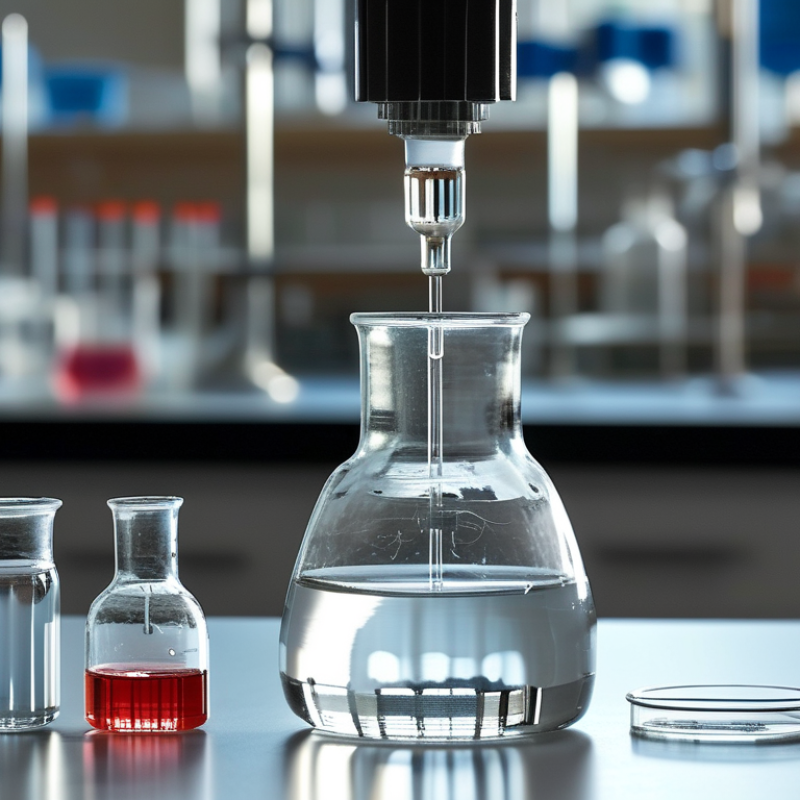
Pipette lab equipment is a precision tool for moving small, controlled volumes of liquid. It supports testing, sample preparation, dilution, and routine laboratory measurement. Most pipettes use a plunger, volume control, shaft, and disposable or reusable tip. Together, these parts help create consistent liquid transfers.
Some pipettes handle fixed volumes, while adjustable models cover a selected range. Electronic versions can reduce repetitive hand movement and improve workflow consistency. The correct type depends on liquid volume, viscosity, accuracy requirements, and laboratory procedures. A narrow tip suits small samples, but thick liquids may require slower handling.
In daily work, a technician sets the volume, attaches a suitable tip, and presses the plunger carefully. The tip should enter the liquid only slightly. Deep immersion can draw in extra fluid. Small details matter. Smooth aspiration helps prevent bubbles, while steady dispensing improves repeatability. It is easy to rush this step.
Accuracy is not automatic. Pipettes need regular inspection, cleaning, and calibration checks. These checks compare delivered volume with an accepted reference. Temperature, liquid thickness, and user technique can affect results. Even experienced users make mistakes. A loose tip or sudden plunger release may change the measured volume. Reliable records and documented procedures help identify these problems before they affect later testing.
What Is Pipette Lab Equipment Used For? - What Is Pipette Lab Equipment?
| Pipette Equipment Type | Primary Use | Typical Volume Range | Common Applications | Important Handling Considerations |
|---|---|---|---|---|
| Adjustable Micropipette | Accurately transfers small, variable liquid volumes using disposable tips. | Approximately 0.1 µL to 10 mL, depending on the model. | Molecular biology, microbiology, analytical testing, and sample preparation. | Select a pipette whose operating range closely matches the target volume; use a new compatible tip when contamination is possible. |
| Fixed-Volume Pipette | Delivers one predetermined volume repeatedly with consistent technique. | Usually a single specified volume from the microliter range upward. | Routine assays, repetitive dispensing, and standardized test procedures. | The selected volume cannot normally be changed by the user; verify calibration at the required working volume. |
| Multichannel Pipette | Transfers the same volume into multiple wells at the same time. | Commonly used for microliter-scale volumes. | Microplate assays, serial testing, screening, and high-throughput workflows. | All channels should be fitted with compatible tips and aligned evenly with the receiving plate. |
| Positive-Displacement Pipette | Dispenses liquids through direct piston contact with a disposable piston and capillary. | Often used for low to mid microliter volumes. | Viscous, volatile, foaming, or difficult-to-pipette liquids. | Use the correct piston-capillary system and avoid reusing disposable components when cross-contamination is a concern. |
| Air-Displacement Pipette | Uses an air cushion between the piston and liquid to aspirate and dispense aqueous samples. | Commonly used from less than 1 µL to several milliliters. | General laboratory liquid handling and routine aqueous sample transfer. | Temperature, vapor pressure, viscosity, and pipetting angle can affect accuracy and precision. |
| Serological Pipette | Measures and transfers relatively large liquid volumes with a pipette controller. | Typically 1 mL to 50 mL. | Cell culture, media preparation, solution transfer, and general biological work. | Use sterile versions for aseptic work and follow the pipette markings and intended blow-out instructions. |
| Volumetric Pipette | Transfers one highly defined volume for accurate solution preparation. | Usually 1 mL to 100 mL, with one calibration mark. | Preparing standards, buffers, reagents, and analytical solutions. | Read the meniscus at eye level and use the pipette according to its calibration and drainage specification. |
| Graduated Pipette | Measures and dispenses several possible volumes along a graduated scale. | Commonly 1 mL to 50 mL. | General liquid transfer where flexible volume selection is needed. | Accuracy depends on correct meniscus reading, clean glassware, and proper drainage technique. |
| Electronic Pipette | Uses a motorized piston to control aspiration and dispensing cycles. | Available across many common microliter and milliliter ranges. | Repetitive dispensing, multi-step protocols, and workflows requiring reduced hand strain. | Recharge the instrument as required, select the correct operating mode, and maintain it according to laboratory procedures. |
| Pipette Tips | Provide the disposable liquid-contact path for micropipettes. | Designed for specific pipette volume ranges. | Sample transfer, reagent dispensing, dilution, and contamination-controlled procedures. | Check fit, cleanliness, sterility requirements, and chemical compatibility before use. |
| Pipette Controller | Provides controlled aspiration and dispensing for serological and graduated pipettes. | Generally used with pipettes from about 1 mL to 100 mL. | Cell culture, large-volume transfers, and preparation of laboratory solutions. | Keep liquid away from the controller filter and use a compatible pipette to prevent leakage or contamination. |
Pipette equipment is used to aspirate, measure, transfer, and dispense liquids with controlled volume and repeatability. The appropriate choice depends on volume, liquid properties, required accuracy, throughput, and contamination-control needs.
Related Posts
-
What is a Lab Pipette and How Does It Work?
-
Best Lab Pipette Options for Accurate Measurement?
-
2026 How to Choose the Right Lab Pipette for Your Needs?
-
Top 10 Scientific Pipette Options for Every Laboratory Need?
-
Best Plastic Pipettes for Global Buyers in 2026?
-
How to Choose the Right Laboratory Pipette for Your Needs?