2026 Best Ergonomic Pipettes for Laboratory Use

A pipette may look simple, but repetitive transfers can make small design choices noticeable. A stiff plunger, slippery grip, or poorly placed tip ejector may add strain during a busy bench session. The 2026 guide to the best ergonomic pipettes for laboratory use examines how practical features affect everyday handling. Small details matter.

We compare pipettes by fit, balance, operating force, volume range, and ease of adjustment. Where available, we consider manufacturer specifications alongside published testing and user guidance. We also look at details a product page may not explain well, such as whether the handle suits smaller hands or whether gloves make the controls awkward. Fit varies. No single model will feel right to every user, and comfort depends on technique, task, and work habits.

This guide is intended to help laboratory staff and purchasing teams ask better questions before choosing ergonomic pipettes. It does not treat a comfort feature as proof of reduced injury risk. Instead, it highlights design differences worth checking in person, including plunger resistance, grip shape, and tip-ejection effort. A brief trial with the volumes and tips used in your lab can reveal issues that specifications miss. Some comparisons remain imperfect because independent test data may be limited or measured differently. That uncertainty deserves attention, not a sales claim.
2026 Best Ergonomic Pipettes for Laboratory Use

What Ergonomic Pipettes Are and How They Support Laboratory Work

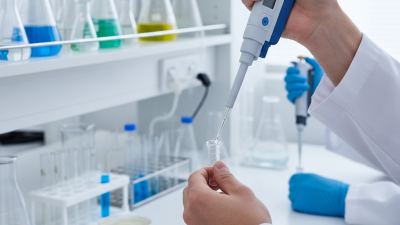
Ergonomic pipettes are designed to reduce the effort and awkward hand positions involved in repeated liquid transfers. Their features may include a lighter plunger, a comfortable grip, lower operating force, and controls that can be reached without twisting the wrist. In a typical bench task, a technician may aspirate and dispense hundreds of times, often while holding a tube steady with the other hand. Small design differences matter over a long session. Comfort is personal, though, and a pipette that suits one hand may not suit another.

The risk is not only about discomfort. NIOSH identifies repetitive motion, force, and awkward posture as workplace risk factors for musculoskeletal disorders. The U.S. Bureau of Labor Statistics reported 2.6 million nonfatal workplace injury and illness cases across private industry in 2023; this broad figure is not specific to laboratories, but it underscores why prevention deserves attention. Better pipetting technique can help: keep the wrist close to neutral, bring racks within easy reach, and alternate tasks when practical. A “light” plunger alone will not fix a crowded bench or an overly long work session.

Laboratories can evaluate pipettes by testing them during real workflows, including serial transfers and work with small tubes. Note hand fatigue, thumb effort, and whether controls remain accessible while wearing gloves. Record user feedback over several sessions, not just during a brief demonstration. Ergonomics is not a one-time purchase decision; fit and workload both matter.

Which Design Features Make a Pipette Ergonomic

2026 Best Ergonomic Pipettes for Laboratory Use

Which Design Features Make a Pipette Ergonomic

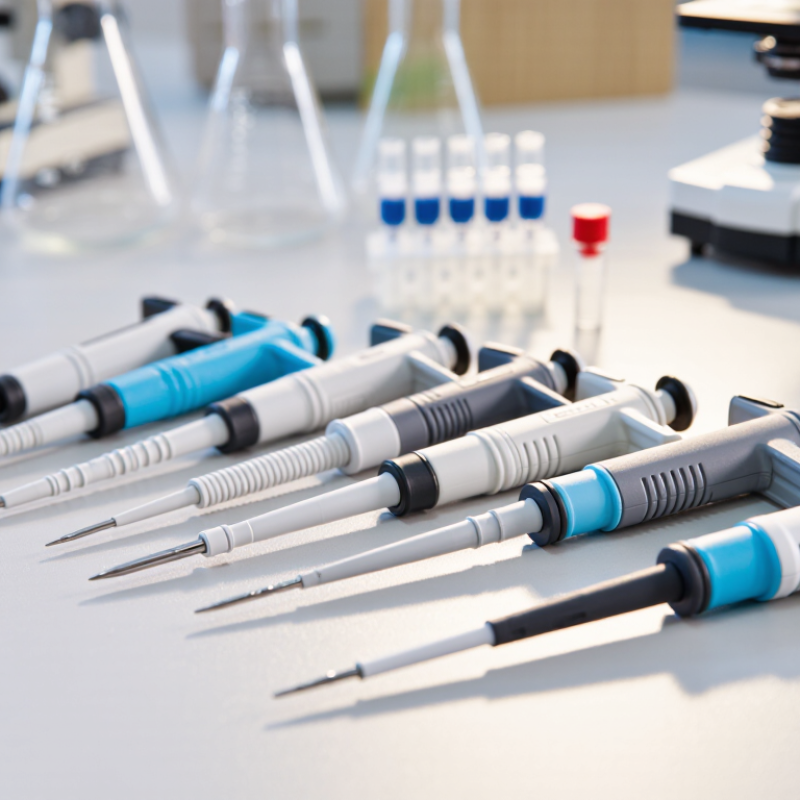
An ergonomic pipette should fit the hand without demanding a tight, sustained grip. A contoured handle and balanced weight can reduce strain during repeated transfers. The thumb plunger matters, too. It should move smoothly and require modest force, especially during long runs of dispensing. Small details add up.

A low-force tip ejector can spare the thumb from repeated hard presses. Look for a clear, accessible control that works without shifting the grip. A finger hook may help support the instrument, while a rotating volume control can reduce awkward wrist movement. The barrel should feel stable, not slippery, even with gloves. These features are useful, but no single shape fits every hand.

Good ergonomics also depend on the task. A pipette used for occasional aliquots may feel comfortable, then become tiring during hundreds of transfers. Adjustable finger rests, suitable handle size, and an easy-to-read volume display can help users maintain a neutral wrist and steady posture. Try the instrument with the gloves and tips used in daily work. Pay attention to thumb travel and hand pressure. It is easy to overlook those small movements. Even well-designed pipettes cannot fix a poorly arranged bench, and comfort judgments can be subjective. A short trial across a realistic workflow is more reliable than choosing by appearance alone.

How to Compare the Best Ergonomic Pipettes for Laboratory Use in 2026

Comparing ergonomic pipettes in 2026 means looking beyond handle shape. Check the grip diameter, total weight, and how easily the volume control turns with gloved fingers. A narrow, balanced body may feel comfortable during a short task but tiring after hundreds of transfers. Ask whether the pipette suits your hand size and the volumes you use most. Try it at the bench, not just in a catalogue photo.

Pay attention to plunger resistance and tip ejection. A smooth, consistent stroke can reduce unnecessary thumb effort, while a stiff plunger may become noticeable during repeated work. Small details matter. Check whether the display is readable under your laboratory lighting and whether routine cleaning is practical. If possible, compare models using the same liquid, tips, and workload; water alone may not reflect every application. Record user feedback after a full session, since first impressions can be misleading. No design removes repetitive-motion risk entirely, and comfort is personal. A pipette that suits one colleague may not suit another. That is easy to overlook. Verify accuracy and precision against the manufacturer’s specifications and your laboratory’s procedures, then weigh those results alongside fit, serviceability, and sustained comfort.

2026 Best Ergonomic Pipettes for Laboratory Use — How to Compare the Best Ergonomic Pipettes for Laboratory Use in 2026

Compare pipette formats by task, control method, and ergonomic features. Volume ranges are broad examples of commonly available configurations, not specifications for a particular model; confirm the selected pipette’s range and compatibility before use.

Pipette type Common volume configurations Typical laboratory use Ergonomic considerations Potential trade-offs What to compare
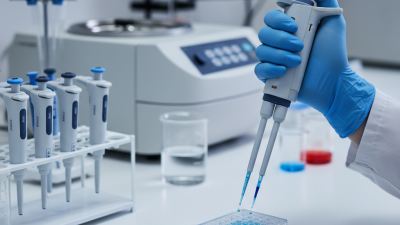
Single-channel manual air-displacement Commonly sold in fixed-volume or adjustable ranges spanning roughly 0.1 µL to 10 mL, depending on the instrument. Routine transfer of liquids into individual tubes, wells, or vessels. A familiar, compact format; plunger force, tip-ejection force, grip shape, and hand size can affect comfort during repeated use. Repeated aspiration and dispensing require manual movement; one channel processes one sample at a time. Operating forces, adjustment readability, balance, tip compatibility, and the volume range needed for the task.
Multichannel manual Common formats include 8- and 12-channel models, with configurations often covering microliter-scale ranges such as approximately 0.5–300 µL. Filling or transferring samples across microplate rows or columns. Can reduce repeated single-well transfers; plate positioning, wrist angle, handle width, and tip-ejection effort remain important. Wider heads and simultaneous tip attachment can require more alignment and hand force; channel count may limit flexibility. Channel count, plate compatibility, head rotation, tip fit, and the force needed to load and eject a full set of tips.
Single-channel electronic Available in multiple ranges; across product families, configurations can extend from sub-microliter volumes to milliliter volumes. Repetitive transfers, programmed dispensing, or workflows that benefit from electronic aspiration and dispensing control. Motorized operation can reduce repeated plunger movement; display controls, instrument weight, charging, and grip fit affect usability. Typically needs battery or charging management and may have more settings to learn than a manual pipette. Available modes, control layout, weight, battery life, calibration requirements, and whether settings suit the protocol.
Multichannel electronic Commonly offered in 8- or 12-channel formats; volume ranges vary by instrument and configuration. High-throughput plate work involving repeated or programmed transfers across multiple wells. Can combine parallel transfers with motorized operation; overall weight, balance, hand span, and plate access should be assessed. Can be heavier and more complex than manual alternatives; may require charging and compatible multichannel tips. Channel configuration, electronic modes, instrument balance, tip-ejection mechanism, and compatibility with the target plate.
Positive-displacement Available in a range of sizes; select the capacity and capillary or piston consumable specified for the instrument. Handling liquids that are viscous, volatile, or otherwise challenging for air-displacement pipetting. Direct piston contact with the sample can help avoid an air cushion; consumable loading and the instrument’s operating forces still matter. Requires compatible capillary-piston consumables, which can add handling steps and cost. Consumable availability, liquid compatibility, capacity, loading procedure, and cleaning or disposal requirements.

Selection note: Ergonomic fit varies by user and task. Where possible, test the pipette with the intended tips and representative workflow, and follow laboratory procedures for calibration, maintenance, and safe repetitive work.

How to Choose an Ergonomic Pipette for Your Laboratory Tasks

Choosing an ergonomic pipette starts with the task, not the catalogue. Note how many transfers you perform per hour, the liquid volume, and whether tubes sit in deep racks. The U.S. National Institute for Occupational Safety and Health’s Elements of Ergonomics Programs identifies repetition, force, and awkward posture as workplace risk factors. Apply that framework at the bench: a stiff plunger, repeated thumb strokes, or a bent wrist can turn routine work into strain.

Small details matter.

Match the pipette to your hand and workflow. Test the plunger through a full stroke, check whether tip ejection needs excessive force, and see if you can keep your wrist straight while reaching the sample. For long series, consider electronic or multichannel models, but assess their weight and balance too.

More features do not always mean less effort.

The U.S. Occupational Safety and Health Administration’s laboratory guidance recommends arranging work to reduce awkward reaches and repetitive strain. Keep frequently used tips within easy reach, and position racks so your elbow stays near your side.

A useful check: after a short trial run, note thumb fatigue or shoulder tension. I would not judge comfort from one quick press; real workflows expose problems that a showroom test can miss.

Best Practices for Using and Maintaining Ergonomic Pipettes

2026 Best Ergonomic Pipettes for Laboratory Use

Best Practices for Using and Maintaining Ergonomic Pipettes

Good pipetting starts before the first sample. Adjust the chair so your feet rest flat and your shoulders stay relaxed. Keep tubes and racks close, ideally within easy reach, to limit repeated stretching. Hold the pipette with a light grip; squeezing harder does not improve accuracy. Small habits matter.

Choose a pipette suited to the volume and task, then check that the tip fits securely. Use a smooth, steady plunger motion, and keep the instrument upright when aspirating. Pause briefly after drawing liquid so the volume can settle. Watch for bubbles, droplets on the tip, or liquid clinging to the tube wall. They can signal inconsistent technique. Even experienced users miss them sometimes.

Rotate tasks where practical, and take short pauses during repetitive work. Wipe the pipette’s exterior with a compatible cleaner, following its care instructions. Inspect the shaft, tip cone, and plunger for residue or damage. Store the instrument in a clean, upright holder, not loose in a drawer. Arrange routine calibration through qualified personnel, especially after heavy use or a drop. A quick visual check is useful, but it cannot confirm accuracy.