Why Choose Liquid Handling Robotics for Your Lab?

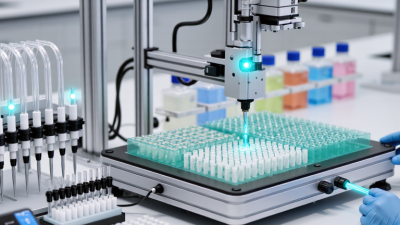
Liquid handling robotics is moving from a specialized option to a practical tool for laboratories handling repetitive, plate-based workflows. At the bench, a robotic system can transfer small volumes across a 96-well plate while recording the steps. The case is clearest when teams need consistent throughput and traceable processes.

Grand View Research’s 2023 Lab Automation Market report estimated the sector at USD 5.81 billion in 2022. It projected USD 9.11 billion by 2030, reflecting continued investment in automated workflows. That is market context, not proof that any instrument pays for itself. In a 2016 Nature survey of 1,576 researchers, Monya Baker reported that more than 70% had failed to reproduce another group’s experiments. More than half had struggled to reproduce their own results. Automation cannot fix weak experimental design. But controlled aspiration, repeatable transfers, and electronic records can help limit avoidable variation.

The right system depends on actual protocols, not impressive brochure specifications. A lab should compare deck capacity, compatible labware, pipetting range, software usability, and service support. A system configured for one assay may not suit another. Setup, validation, training, and maintenance also require time and budget. Not every lab needs a robot. For teams facing repetitive transfers or rising sample volumes, the useful question is whether automation improves consistency and frees skilled staff for work that needs their judgment.
Why Choose Liquid Handling Robotics for Your Lab?

What Liquid Handling Robotics Are and How They Work

Why Choose Liquid Handling Robotics for Your Lab?

What Liquid Handling Robotics Are and How They Work

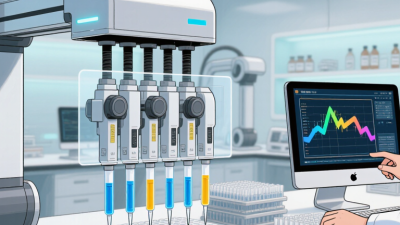
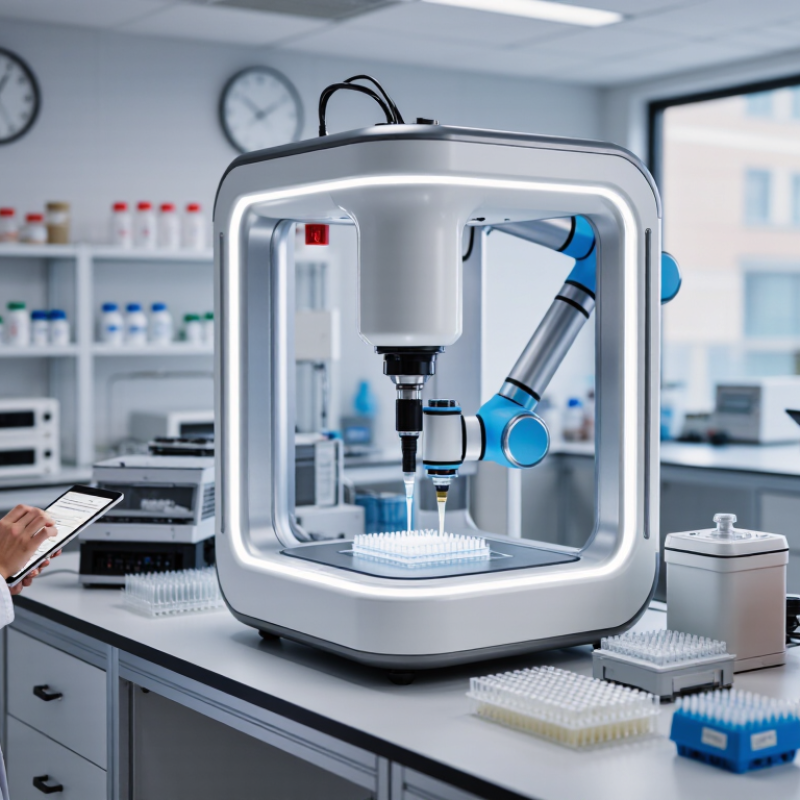
Liquid handling robotics are automated systems that move measured amounts of liquid between lab vessels. A typical setup has a work deck, pipetting channels, disposable tips or washable probes, and software that controls each movement. The deck may hold sample tubes, reagent reservoirs, and microplates. Small volumes matter.

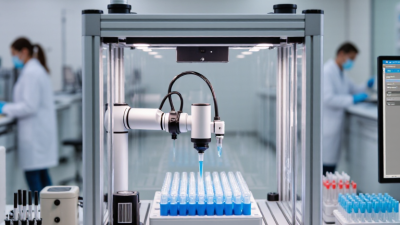
A programmed run tells the instrument where to collect liquid and where to dispense it. The pipette head lowers into a source well, draws liquid into a tip, then releases it into a destination well. Depending on the system, sensors may detect liquid levels, while mixing steps help distribute a reagent evenly. Software can record volumes, locations, and run times for later review.

In practice, reliable results still depend on setup. A plate placed slightly off-center, a poorly seated tip, or an incorrect liquid setting can affect transfers. I have found that checking the deck layout and testing a small batch can reveal issues before a full run. Automation reduces repetitive hand pipetting, but it does not replace method validation or careful review of unusual results. Some liquids behave unpredictably, so the protocol may need adjustment. That part is easy to underestimate.

Why Choose Liquid Handling Robotics for Your Lab?

Liquid handling robots can automate repeated transfers in workflows such as serial dilution. This chart shows the ideal concentration after each 1:1 dilution step, assuming equal volumes of solution and diluent and complete mixing. Actual results can vary with transfer accuracy and mixing conditions.

Which Laboratory Tasks They Can Automate

Liquid handling robotics can automate repetitive steps that depend on accurate, repeatable pipetting. Common tasks include transferring samples between tubes and microplates, preparing serial dilutions, dispensing reagents, and filling assay plates. A robot can also mix liquids and add buffers across many wells. For example, it can deliver the same small volume to each well while keeping a consistent pace. That helps reduce routine variation and frees staff for sample review and experiment planning.

Some systems can support nucleic acid preparation, cell-based assays, and compound screening workflows. Their usefulness depends on suitable labware, validated methods, and careful setup. A robot does not recognize every unusual sample or detect a poorly designed protocol by itself. Even a small change in liquid viscosity can affect dispensing. I have seen workflows appear reliable until a new plate type changes the results. Automation still needs human checks.

Tips: Start with one stable, repetitive workflow. Confirm volumes gravimetrically, inspect the first plate, and record exceptions. Keep an operator nearby during early runs. Small checks matter.

How Automation Improves Accuracy and Throughput

A liquid handling robot can make routine pipetting more consistent across a busy laboratory.

It dispenses the same programmed volume into each well, while reducing repetitive hand movements and variation between operators. That matters when a plate holds dozens of samples and even a small volume difference can affect downstream measurements. Plebani’s 2006 review in Clinical Chemistry and Laboratory Medicine found that 46–68.2% of errors in the total testing process occurred before analysis. Automation cannot prevent every pre-analytical error, but it can standardize key transfer steps.

It also improves throughput by running repetitive transfers across multiple wells with less hands-on time. Staff can use that time to prepare samples, review controls, or investigate unusual results. More samples, with fewer manual pauses. The gain depends on the workflow: plate layout, liquid properties, and instrument setup all matter. Viscous fluids or tiny volumes may still require careful method development and verification.

Robots are not magic. A poorly calibrated instrument can repeat the same error across an entire plate. The CLSI EP05-A3 precision evaluation protocol spans 20 operating days, underscoring why performance should be checked over time, not just during installation. Labs should compare automated and manual results using controls and representative samples, then track dispensing precision and failed runs. Automation can improve consistency and capacity, but the data still need human review.

What to Consider When Selecting a Robotic System

Why Choose Liquid Handling Robotics for Your Lab?

What to Consider When Selecting a Robotic System

A robotic system should match the work your lab actually performs, not an idealized workflow. Map each step, from sample loading to plate transfer, and note daily volumes, peak loads, liquid types, and required turnaround times. Check that the deck accommodates your tubes and plates, and that grippers and pipette channels fit the handling steps. Small details matter. A plate that technically fits may still be awkward to load.

The MarketsandMarkets 2023 Laboratory Automation Market report estimated the market at USD 5.8 billion in 2023 and projected USD 8.3 billion by 2028, a 7.3% compound annual growth rate. This signals growing investment, not guaranteed savings for every lab. Compare systems using your own representative samples. Measure pipetting precision, carryover, setup time, and recovery from common errors. Ask how results and run records connect with your laboratory information systems, and what validation support is available.

Plan for the people and space around the instrument, too. Confirm footprint, access for cleaning, staff training, service response, and consumable availability. Request an acceptance test with your real labware and protocol before purchase. Automation is not a cure-all. Some workflows change often, and a fixed deck can become a constraint. I would also budget time for troubleshooting; that cost is easy to overlook.

Why Choose Liquid Handling Robotics for Your Lab? — What to Consider When Selecting a Robotic System

Selection Factor What to Assess Why It Matters Practical Evaluation
Workflow fit and throughput Number of samples and plates per run, protocol length, daily workload, and peak demand. Automation can reduce repetitive manual pipetting, but the system must match the actual workflow rather than an assumed maximum capacity. Map a representative workflow from sample loading through final transfer. Confirm run time, batch size, and operator loading requirements using your own protocol.
Volume range and liquid types Required transfer volumes, liquid viscosity, volatility, surface tension, and whether liquids contain particulates or are prone to foaming. Transfer performance depends on the dispensing method, liquid properties, consumables, and protocol settings; one setup may not suit every liquid. Test the smallest and largest required volumes, plus challenging liquids. Review the validated operating range for the exact pipetting configuration.
Accuracy and precision Volume accuracy, repeatability, and allowable variation for critical steps. Small transfer errors can affect assay concentrations, reaction composition, and reproducibility across plates or runs. Request performance data under relevant conditions and verify transfers with a suitable method, such as gravimetric testing or an assay-based check.
Labware and deck capacity Compatibility with the lab’s plates, tubes, reservoirs, racks, tip formats, and required number of positions. Physical compatibility and sufficient deck space determine whether the intended workflow can run without frequent manual intervention. Check labware dimensions, well formats, adapters, working clearances, and how many samples, reagents, and waste containers fit in a typical run.
Contamination control Disposable or reusable tips, liquid-contact surfaces, aerosol management, washing steps, and separation of samples or reagents. Carryover and contamination controls are especially important for sensitive assays, high-concentration samples, and workflows involving hazardous materials. Define the required carryover controls and test them with representative samples. Confirm cleaning procedures and consumable requirements for routine use.
Software and traceability Protocol creation, method review, run monitoring, error handling, data export, user access, and audit-trail requirements. Clear software workflows can reduce setup errors and make runs easier to review, reproduce, and document. Have intended users build and run a representative method. Check whether run records capture sample positions, settings, alerts, and recovery actions.
Integration and flexibility Connections to existing instruments, laboratory information systems, scheduling software, and future workflow changes. Integration can reduce manual handoffs, while modular capacity may help a system adapt as assay needs change. List required data and instrument interfaces. Confirm supported communication methods, integration responsibilities, and the effort needed to revise protocols.
Safety and installation Operator access, moving parts, electrical and bench requirements, ventilation needs, and procedures for handling hazardous liquids. Safe operation and suitable laboratory infrastructure are necessary for reliable day-to-day use. Review the site requirements and risk assessment with laboratory safety staff. Confirm training, access controls, and emergency-stop procedures.
Total cost and support Equipment, installation, consumables, service, training, software, and ongoing maintenance costs. The purchase price alone does not reflect the full cost of operating an automated workflow over time. Compare expected annual operating costs and service arrangements. Include consumable use, maintenance downtime, staff training, and method development.

How Labs Integrate Robotics Into Daily Workflows

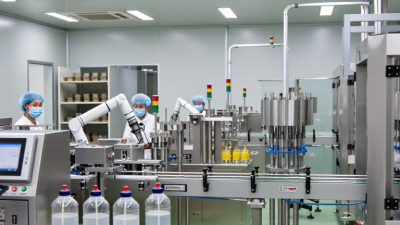
Liquid handling robotics earns its place when it fits the lab’s daily rhythm. A typical workflow may begin with labeled tubes, a plate map, and a checked liquid-handling protocol. Staff prepare samples and consumables, then load racks in a consistent order. The robot dispenses measured volumes, while a technician checks run status and records exceptions. Afterward, results and deviations are reviewed before samples move to the next step. Small details matter. A misplaced rack can disrupt an otherwise sound run.

Integration takes planning. Teams should map repeated tasks, confirm liquid volumes and labware compatibility, and test the workflow with representative samples. In practice, the first layout is rarely perfect. Tip changes, foaming, or awkward plate transfers may call for adjustments. Keep a manual fallback for urgent work and unexpected errors. Automation helps most when staff understand what it does—and where it can fail.

Tips: Start with one repetitive task. Document setup steps, label racks clearly, and review failed runs before expanding automation. Ask the people who load the system; they often spot workflow snags early.