2026 Top Plastic Pipettes Which Type Is Best?

Plastic Pipettes in 2026: Which Type Is Best?

Choosing plastic pipettes is not just a price decision. Tip fit, volume range, material, and handling all affect daily work. A narrow tip can reach the bottom of a small tube. A poorly matched tip may leave droplets behind. Those details matter when results must be repeatable.

Market research reports, including Grand View Research’s coverage of laboratory plasticware, offer useful context on demand and product trends. They do not, however, establish which pipette performs best at a specific bench. For performance, buyers should consult manufacturer specifications and applicable standards, such as ISO 8655, then verify suitability with their own procedures. Check the stated accuracy, precision, chemical compatibility, and whether tips are supplied or sold separately. Small differences add up.

There is no single best type for every laboratory. Transfer pipettes suit simple, low-cost transfers; graduated designs provide visible volume markings; and precision-oriented systems require closer attention to pipette–tip compatibility. As pipetting specialist Dr. Warren Gilson is often credited with saying, “The pipette is only as good as the technique behind it.” I cannot verify that exact wording, so it should not be treated as a sourced quotation. That uncertainty is worth acknowledging. This guide compares common plastic pipette types by practical use, handling, and purchasing considerations, helping readers choose with evidence rather than a catchy label.
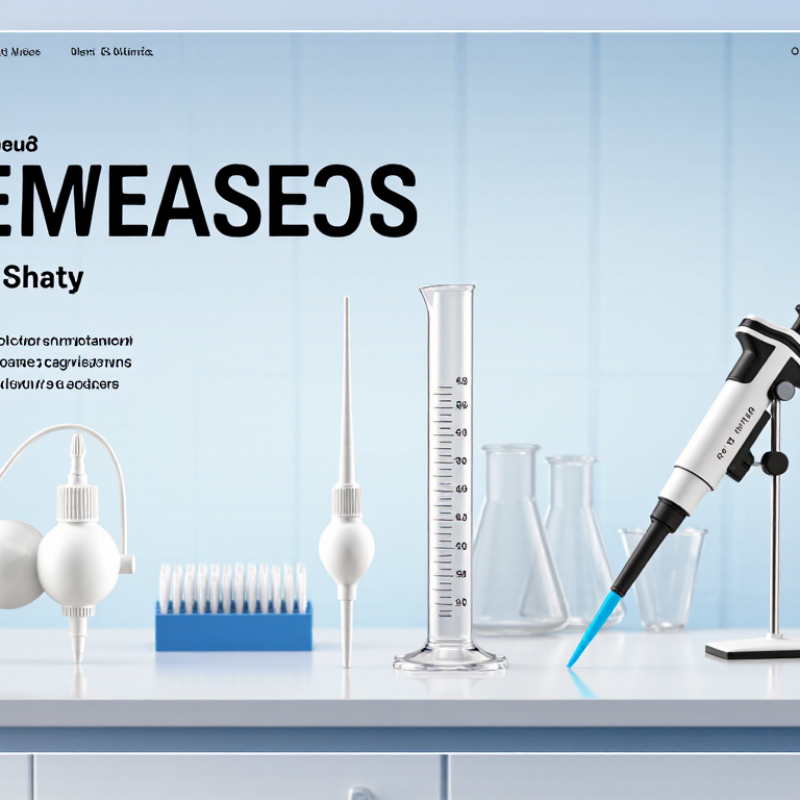
2026 Top Plastic Pipettes Which Type Is Best?

What Plastic Pipettes Are and How They Work

Plastic pipettes are lightweight tools for transferring small amounts of liquid. They are commonly made from clear or translucent plastic, so the liquid level is easy to see. Some are simple transfer pipettes with a squeezable bulb. Others are graduated or designed to work with a separate pipette controller.

The basic action is simple. Squeeze the bulb or controller, place the tip below the liquid surface, then release pressure to draw liquid inside. To dispense, press again over the destination container. Keep the pipette upright while measuring, and watch for bubbles. They can make the delivered volume less reliable. Small details matter.

Plastic pipettes are useful for routine transfers, mixing, and adding drops to a sample. A graduated model can help estimate volume, but markings do not make every pipette equally precise. Check its stated accuracy and intended use before relying on measurements. Disposable versions reduce cleanup, though they also create more waste. That trade-off deserves consideration. I have found that a clear tip helps with quick visual checks, but it cannot replace careful technique. For critical measurements, use equipment suited to the required precision and follow its instructions.
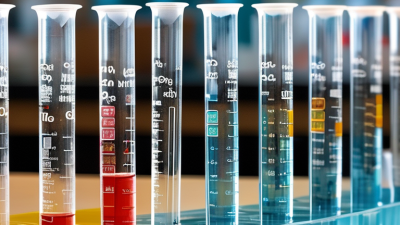
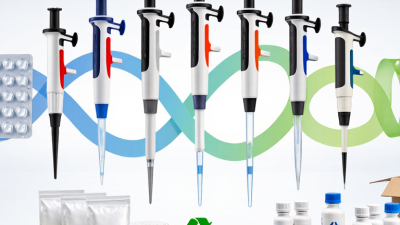
Main Types of Plastic Pipettes and Their Uses

2026 Top Plastic Pipettes: Which Type Is Best?

Main Types of Plastic Pipettes and Their Uses

Plastic pipettes differ by volume range, accuracy, and handling method. Transfer pipettes suit quick liquid movement, such as adding stains, reagents, or samples into small tubes. Their flexible bulbs and marked stems support simple, approximate measurements. They are practical, but not ideal for precision work.

Graduated plastic pipettes provide clearer volume readings. They work well for preparing buffers, moving culture media, and measuring liquids during routine procedures. Serological pipettes handle larger volumes, often from 1 to 50 milliliters. They require a pipette controller and are useful for mixing solutions or transferring cell suspensions. For microliter volumes, adjustable micropipettes with disposable plastic tips offer better control. The tip must match the pipette and liquid.

Tips: Check the graduation at eye level. Keep the pipette vertical while reading the meniscus. Use sterile packaging when contamination could affect results. Do not reuse single-use plastic pipettes.

In practice, the best type depends on the task, not the lowest price. A transfer pipette may be perfect for adding three drops, while a graduated model suits a measured 7 milliliters. I still occasionally select a convenient pipette too quickly. That small mistake can change a dilution. Viscous liquids also need slower aspiration and dispensing. Plastic can reduce breakage risks, but it may flex during use and affect control. Calibration checks remain important when measurements influence experimental conclusions.

How Plastic Pipettes Differ in Accuracy and Capacity

2026 Top Plastic Pipettes Which Type Is Best?

How Plastic Pipettes Differ in Accuracy and Capacity

Choosing a plastic pipette starts with the volume range and the required accuracy. Disposable transfer pipettes suit quick liquid movement, not precise measurement. Their flexible bulbs can deliver drops unevenly, especially when squeezed with different pressure. A 3 mL transfer pipette may hold more liquid, but its marked scale does not guarantee 3 mL accuracy. It is useful for reagents, samples, and simple transfers.

Graduated serological pipettes offer better control across larger volumes, commonly from 1 mL to 50 mL. They work with a pipette aid and usually provide clearer graduations. Their accuracy still depends on reading the meniscus at eye level. Touching the container wall can also leave a small residual volume. That detail is easy to overlook.

For small volumes, plastic micropipette tips paired with an adjustable pipette are more suitable. A 10 µL tip and a 1,000 µL tip should not be treated the same. Accuracy changes with liquid viscosity, temperature, tip fit, and dispensing speed. In routine laboratory work, pre-wetting the tip can improve consistency with aqueous samples. I have found that hurried dispensing creates larger errors than expected. Even careful users miss this sometimes. Plastic also absorbs certain liquids or causes static effects, so material compatibility deserves checking. Capacity alone is not enough. Record the selected volume, use the correct technique, and verify performance with periodic balance checks.

2026 Top Plastic Pipettes: Which Type Is Best? How Plastic Pipettes Differ in Accuracy and Capacity

Pipette Type Typical Capacity Graduation or Setting Accuracy and Precision Best Suited For Key Limitation
Plastic transfer pipette (dropper) About 1–5 mL, depending on design Usually ungraduated; some have approximate markings Low volumetric accuracy. Drop size varies with liquid, angle, and squeeze pressure. Moving small amounts of liquid, adding reagents dropwise, and non-quantitative sampling Not suitable when a measured volume or repeatable dose is required.
Graduated plastic transfer pipette Commonly about 1–5 mL Printed graduations; scale spacing varies by capacity and design Low to moderate; markings support approximate measurement, but are not equivalent to a calibrated precision pipette. Routine transfers where approximate volume is acceptable Performance depends on the specific pipette and technique; verify the product specification for quantitative work.
Plastic serological pipette Common sizes include 1, 2, 5, 10, 25, and 50 mL Graduated along the stem; commonly used with a pipette controller Moderate to high for a disposable plastic pipette when used as specified. Tolerance is model-specific and should be checked on its documentation. Measured transfer of milliliter volumes in laboratories, cell culture, and sample preparation Requires a compatible controller. Read the calibration and any blow-out markings before use.
Plastic fixed-volume dropper Often designed for a specified dose or small nominal volume Fixed-volume design; may have no scale Can provide repeatable dispensing when used with the specified liquid and procedure; not automatically a calibrated measuring device. Consistent dispensing of a set amount in applications that allow a dropper format Do not assume a stated drop count equals a universal volume; drop size changes with liquid properties and tip geometry.
Air-displacement micropipette with a disposable plastic tip Common working ranges span roughly 0.1 µL to 10 mL, across different instruments Adjustable volume setting on the pipette; the plastic tip is a separate consumable Typically the best option here for microliter measurement when correctly calibrated and operated. Accuracy and precision vary by instrument, volume setting, and technique. Repetitive, controlled measurement of microliter volumes The tip alone does not determine accuracy. Use a compatible tip, correct technique, and an instrument suited to the target volume.

How to choose: For approximate drops, choose a transfer pipette; for measured milliliter transfers, choose a graduated serological pipette; for precise microliter work, use a suitable micropipette with a compatible plastic tip. Accuracy specifications differ between products, so consult the individual product documentation for tolerances and calibration details.

Factors to Consider When Choosing a Plastic Pipette

Choosing the best plastic pipette depends on accuracy, sample behavior, and daily handling conditions. Volume range matters most. A small micropipette tip cannot replace a serological pipette for repeated milliliter transfers.

ISO 8655-2:2022 defines performance requirements for piston-operated volumetric devices, including systematic and random error testing. Ask suppliers for calibration data, not only “high accuracy” claims. For viscous liquids, low-retention polypropylene tips may reduce visible residue, although performance varies with surface treatment and technique. Sterile, individually wrapped units suit cell culture and sensitive workflows. Nonsterile options may be practical for routine preparation. They are not automatically safer.

Chemical compatibility also deserves careful review. Polypropylene handles many aqueous solutions, but strong solvents, heat, and prolonged exposure can weaken plastic or distort fit. Check the chemical resistance table and the intended temperature range.

Ergonomics is easy to ignore until repetitive dispensing causes thumb fatigue. I have found that a slightly firmer seal can improve consistency, but it may increase hand effort. That trade-off is real.

Waste is another factor. A 2021 Nature report estimated that laboratory plastic waste reaches about 5.5 million tonnes annually worldwide. Choosing refill systems or recyclable designs can reduce material use, but local recycling rules often limit the benefit. Test the pipette with your actual liquid, operator, and workflow before purchasing in volume.

Safe Handling and Disposal of Plastic Pipettes

Choosing the best plastic pipette depends on volume, liquid properties, and contamination risk. For routine liquid transfer, use a pipette with clear graduations and a secure fit. Check the tip before use. A cracked or loose tip can cause spills, inaccurate measurements, or exposure.

Safe handling starts with clean gloves, eye protection, and a stable work surface. Keep the pipette vertical when it contains liquid. Avoid touching contaminated tips to bottles, benches, or gloves. Never force liquid into the pipette body. Small mistakes matter. Even experienced staff can miss a drop near the tip. Replace gloves after visible contamination, and disinfect the workspace with a method suitable for the material handled.

Disposal must follow the laboratory’s waste procedure, safety data sheet, and local requirements. Place used plastic pipettes in the correct biohazard, chemical, or general laboratory waste container. Do not mix chemically contaminated plastic with biological waste. Broken pipettes belong in a puncture-resistant container, even when they are made from plastic. Keep waste containers closed and never press down the contents by hand. Reusable items should be cleaned only through an approved process. Some plastics deform during heat treatment. That possibility is easy to overlook. A clear label, a closed container, and a short inspection before disposal can prevent avoidable exposure.

2026 Top Plastic Pipettes: Which Type Is Best?

The best plastic pipette depends on the required volume, accuracy, liquid compatibility, and contamination risk. This chart compares representative maximum working volumes for common plastic pipette types.

Micropipette tips are designed for precise small-volume transfers, while transfer and Pasteur pipettes are better suited to general liquid movement. Serological pipettes provide the largest typical capacity and are commonly used with a pipette controller. After use, contaminated plastic pipettes should be placed immediately in a suitable, leak-resistant laboratory waste container. Chemical, biological, and sharps-related disposal requirements must follow local regulations and the liquid’s hazard classification.