7 Best Plastic Pipettes for Global Buyers?
Choosing among the 7 Best Plastic Pipettes for Global Buyers? requires more than comparing unit prices. Buyers must examine accuracy, material grade, sterility, packaging, compatibility, and shipping resilience. A pipette that looks economical may leak around a loose tip or arrive deformed after ocean transport. Small details matter.
Grand View Research estimates the global pipette tips market at approximately USD 1.3 billion in 2023, with continued growth expected through 2030. MarketsandMarkets also identifies rising laboratory testing, biotechnology investment, and disposable consumables as major market drivers. However, these reports classify products differently. Their figures should guide decisions, not replace technical verification.
Roland Geyer, a professor of industrial ecology at the University of California, Santa Barbara, stated, “There is no such thing as a sustainable plastic.” His warning deserves attention in plastic pipettes purchasing. Lower resin use, recyclable packaging, and responsible waste handling can reduce impact, but they do not remove it. No perfect option exists.
This guide compares seven practical choices for laboratories, clinics, education providers, and international distributors. The evaluation considers liquid capacity, wall consistency, tip design, chemical resistance, sterility claims, and batch traceability. Products supported by clear specifications and recognized quality systems receive stronger consideration. ISO 13485 certification may support manufacturing reliability, while documented testing remains essential for actual performance.
The ranking is useful, but not absolute. A sterile pipette for a diagnostic workflow may be unsuitable for routine classroom use. Buyers should confirm local import requirements, carton dimensions, and storage conditions before ordering. That extra check can prevent expensive surprises.
Plastic Pipettes: Definition, Uses, and Main Types
7 Best Plastic Pipettes for Global Buyers?
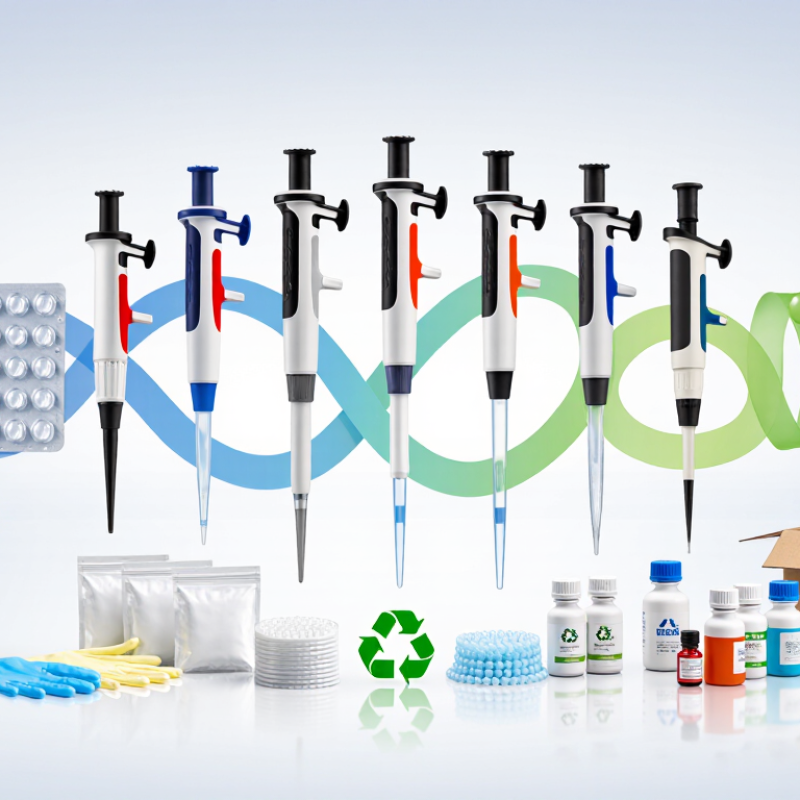
Plastic pipettes are lightweight laboratory tools for transferring, measuring, or dispensing liquids. Their main types include transfer, graduated, serological, volumetric, Pasteur-style, wide-bore, and low-retention pipettes. Transfer pipettes suit quick drops and small samples. Graduated and serological types support more controlled volume handling. Volumetric designs offer better accuracy, although plastic versions are less common. Wide-bore models reduce shear stress when handling cells or viscous liquids. Low-retention surfaces help recover expensive reagents. Each type serves a different workflow.
In routine laboratory purchasing, material quality matters as much as shape. Polypropylene is common because it tolerates many aqueous solutions and routine sterilization methods. However, heat, solvents, and repeated exposure can weaken some plastics. Check the technical data sheet, sterility statement, graduation tolerance, and lot traceability. ISO 8655 emphasizes systematic pipetting performance and calibration control. The OECD Global Plastics Outlook reported 353 million tonnes of plastic waste in 2019, with only 9% recycled. That figure should influence disposal planning. “Disposable” does not mean impact-free.
Tips: Match the pipette to viscosity, volume, and contamination risk. Select sterile, filtered options for sensitive workflows. Test sample recovery before large purchases. Do not trust graduation marks blindly; small-volume readings can be surprisingly inconsistent. This classification is useful, but not perfect. Local waste rules and facility procedures still require review.
Key Features to Compare Before Choosing Plastic Pipettes
7 Best Plastic Pipettes for Global Buyers?
Choosing among the seven best plastic pipettes requires more than comparing prices. Start with volume range and graduation clarity. A narrow, well-printed scale supports better readings during repetitive transfers. Check whether the pipette delivers accurately at room temperature. Viscous liquids may require a wider orifice and slower handling. Fit matters more than appearance.
Material selection also affects performance. Polypropylene often tolerates common laboratory chemicals, while polyethylene can offer useful flexibility. Confirm compatibility with the liquid, container, and storage conditions. For sterile work, inspect the sterilization method, packaging integrity, and expiry information. Individually wrapped pipettes reduce contamination risks during busy procedures. However, sterile packaging does not replace proper technique.
Ergonomics deserve practical testing. A pipette that feels stiff can cause hand fatigue after dozens of transfers. Look for smooth aspiration, a secure controller connection, and readable markings under ordinary laboratory lighting. I once dismissed packaging details as minor. That decision created unnecessary waste when several pipettes arrived bent. I would now compare carton protection, documentation, and batch traceability before ordering. Reliable suppliers should provide material specifications, accuracy data, and quality records. Buyers should also confirm language requirements, import documentation, and storage recommendations for their destination market. Performance claims need evidence, not attractive wording. A small trial order can reveal defects that a catalog photograph hides.
Seven Leading Plastic Pipette Options for Global Buyers
Seven Leading Plastic Pipette Options for Global Buyers
Choosing a plastic pipette starts with the liquid, volume, and handling environment. In routine laboratory work, I have found that simple tools often perform best when matched carefully. Seven practical options cover most purchasing needs: disposable transfer pipettes, graduated transfer pipettes, sterile serological pipettes, non-sterile serological pipettes, low-retention pipettes, wide-bore pipettes, and fine-tip plastic pipettes.
Disposable transfer pipettes suit quick liquid transfers and small samples.
Graduated versions provide approximate volume readings for basic preparation.
Sterile serological pipettes support cell culture and other contamination-sensitive work.
Non-sterile models reduce costs for general solutions.
Low-retention surfaces help recover viscous liquids, although they may not solve every transfer problem.
Wide-bore designs handle fragile cells, tissue mixtures, or thicker samples with less shear.
Fine-tip options work well for droplets, narrow containers, and careful dispensing.
Check the graduation clarity before ordering. A faint scale slows real work. Confirm compatibility with solvents, buffers, and temperature conditions. Packaging also matters when products travel across borders. Individual wrapping can protect sterility, while bulk packaging may reduce waste and freight volume.
Buyers should review tolerance data, tip fit, leakage resistance, and lot traceability. A product can look identical but perform differently between production lots. That detail is easy to overlook. It should not be.
Some buyers choose the cheapest pipette and later discover excessive dripping or inconsistent delivery. I have made that mistake in rushed purchasing. Small trials, documented handling tests, and supplier quality records create a more reliable decision.
Safety, Quality Standards, and Material Considerations
7 Best Plastic Pipettes for Global Buyers?
When selecting plastic pipettes, safety should guide every comparison. The seven practical choices include LDPE transfer pipettes, polypropylene graduated pipettes, wide-bore pipettes, low-retention tips, sterile individually wrapped pipettes, filtered pipettes, and tamper-evident designs. Each type serves a different handling need. LDPE offers flexibility for gentle liquid transfer. Polypropylene usually provides better chemical resistance and dimensional stability. Wide-bore models reduce stress when handling viscous samples.
Material quality matters more than a low purchase price. Look for clear graduations, smooth molding, secure packaging, and consistent tip openings. For laboratory accuracy, check whether the product follows relevant quality systems and performance tests, such as ISO 8655 where applicable. Sterile products should state the sterilization method and packaging integrity. A certificate of analysis or conformity can improve supplier credibility. However, such documents do not replace independent verification.
Global buyers should confirm chemical compatibility before ordering large quantities. Some solvents can soften plastics or distort volume markings. That detail is easy to miss. I would test a small batch with the actual liquid, temperature, and storage time. Also review lot numbers, traceability, expiration information, and shipping conditions. “Universal” suitability is often overstated. A pipette that works well for water may perform poorly with oils, proteins, or volatile liquids. Inspect several pieces under bright light; occasional defects still happen, even in well-controlled production.
How to Select the Right Plastic Pipette for Your Market
The seven strongest plastic pipette choices are transfer, Pasteur, graduated, serological, volumetric, wide-orifice, and low-retention designs. “Best” depends on the market.
For routine sample transfer, choose sterile transfer pipettes with clear graduations and flexible bulbs. A 3 mL format suits small tubes and field kits. For cell culture, sterile serological pipettes need stable graduation marks and smooth fluid release. Low-retention surfaces help with viscous samples, but they can raise purchasing costs. Wide-orifice tips protect fragile cells and dense suspensions. Cold markets may require packaging that remains flexible below 0°C. Warm, humid markets need sealed wrappers and strong carton protection.
Check quality before price. ISO 8655 provides important requirements for piston-operated volumetric equipment, but disposable plastic pipettes still need documented accuracy checks. The World Health Organization’s Laboratory Biosafety Manual emphasizes validated procedures, traceability, and risk-based handling. These principles matter during supplier audits. Plastics Europe reported global plastics production at 400.3 million tonnes in 2022, increasing pressure to reduce unnecessary single-use materials. Consider recyclable packaging, lower resin weight, and take-back options where regulations permit. Not every “eco” claim is measurable. Request test reports, sterility evidence, lot numbers, and temperature data. A product that works in a clean laboratory may fail beside a dusty rural bench. Pilot testing remains wiser than trusting a catalogue description.