Choosing the right pipette tip can affect accuracy, workflow speed, and confidence in laboratory results. For global buyers, the decision involves more than price or availability. The biotix xtip4 range should be assessed against pipette compatibility, tip fit, volume requirements, packaging, and application conditions. A tip that looks suitable may still perform poorly if it seats unevenly or creates inconsistent liquid delivery.
Practical evaluation matters. Check the pipette model and recommended volume range before placing an order. Review the manufacturer’s technical documentation. Confirm whether the tips are supplied sterile, filtered, racked, or bulk packaged, based on your laboratory’s procedure. Inspect the box for clear labeling, lot information, and undamaged packaging. These small details can prevent delays at receiving and reduce avoidable handling errors. They also support traceability across international shipments.
Performance should be tested with the actual liquids and instruments used in your facility. Water-based samples may behave differently from viscous buffers, solvents, or protein solutions. Run a small verification trial first. Record fit, sealing, liquid retention, and dispensing consistency. Not every laboratory needs the same configuration. That is easy to overlook. Shipping conditions, regional distributors, and after-sales support also deserve attention. A lower unit cost may become less attractive when delivery is slow or replacement stock is uncertain. This guide examines the practical factors global buyers should compare when selecting biotix xtip4 pipette tips. Some conclusions may require adjustment after local testing, because reliable purchasing depends on evidence rather than assumptions.

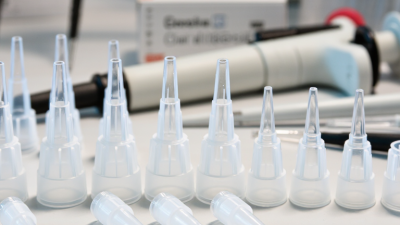
Choosing XTip4 pipette tips requires more than matching a volume number. The tip design must fit the pipette shaft evenly, without excessive force or visible gaps. A secure seal supports accurate aspiration and reduces dripping during dispensing. Check the recommended volume range carefully. A 200 µL tip is not automatically suitable for every 200 µL pipette.
During bench testing, I inspect the tip collar, insertion depth, and release action. The fit should feel firm but not strained. Polypropylene construction is common because it tolerates routine laboratory handling and many aqueous solutions. Low-retention surfaces can help when working with proteins, viscous buffers, or small sample volumes. Filtered versions may reduce aerosol transfer, while standard versions can support simpler liquid handling. The correct choice depends on the workflow, not habit.
Compatibility also involves equipment and process conditions. Test the tips on the exact pipette models used by your team. Manual and automated systems may require different geometry or rack formats. Watch for uneven liquid levels, droplets inside the tip, or inconsistent ejection. These details often reveal a poor seal. Lot-to-lot variation is possible, even when packaging looks identical. I would record fit checks and liquid performance before purchasing globally. My first selection is not always right. Humidity, liquid temperature, and operator technique can change the result. Small trials remain worthwhile.

Choosing XTip4 pipette tips begins with the pipette model, not the price. Check the manufacturer’s compatibility chart, volume range, shaft geometry, and ejector clearance. A tip may fit loosely, or require excessive force. Neither is acceptable during repetitive work.
Match the tip format to the application. Single-channel pipettes suit serial transfers and small reaction setup. Multichannel models need consistent sealing across every channel. For PCR or qPCR, use certified sterile tips with low-retention surfaces when sample loss matters. Filtered tips can help reduce aerosol transfer, but they do not replace careful technique. Cell culture work may require sterile, endotoxin-controlled packaging. Protein assays often benefit from low-retention materials, especially with small volumes.
Before purchasing, test XTip4 tips on the exact pipette models used in your laboratory. Check seal quality, ejection force, liquid recovery, and accuracy at both low and high volumes. I have found that a tip performing well with water may behave differently with viscous buffers. That result deserves investigation, not assumption. Global buyers should also request lot information, sterilization records, and dimensional specifications. Packaging language and documentation can vary by market. Automated systems need another check: rack dimensions, deck clearance, and robotic pickup must match the instrument. A perfect fit on paper can still fail during a busy run.
For global buyers, sterility should match the application, not the marketing label. Look for documented sterilization, batch traceability, and a defined sterility assurance level. ISO 8655-2:2022 supports gravimetric performance testing, while USP <71> provides established sterility-testing principles. These standards do not make every tip suitable for every workflow. Check the certificate, packaging integrity, expiry date, and storage conditions. A damaged rack can defeat a perfect certificate.
Filtering needs equal attention. Hydrophobic filters can reduce aerosol transfer, but they may slow aspiration or block with viscous samples. Choose filter tips when contamination control matters, especially with low-volume molecular workflows. For volume selection, compare the tip’s validated range with the pipette setting. A 0.2 μL error at 10 μL already equals 2%. ISO 8655-2:2022 is useful here because it defines systematic and random error testing. Material quality also matters. Virgin polypropylene usually offers low extractables and stable molding. Review chemical compatibility, low-retention claims, and extractables data under ISO 10993-18 principles. Do not assume “low-binding” means universal performance. It can vary with proteins, solvents, and temperature. My practical concern is often overlooked: an attractive price may hide inconsistent fit. Ask for independent test results, not only supplier declarations.
Technical screening benchmarks for sterility, aerosol filtration, volume coverage, and polypropylene material quality.
The chart presents commonly used reference points rather than product claims. A sterility assurance level of 10⁻⁶ corresponds to a six-log sterility target, 0.2 μm is a common nominal filter rating for aerosol-barrier tips, 1,000 μL represents the upper end of widely used universal tip formats, and virgin polypropylene typically has a density of approximately 0.90–0.91 g/cm³. Buyers should confirm certificates, compatibility, and validation data with suppliers.
How to Choose XTip4 Pipette Tips for Global Buyers
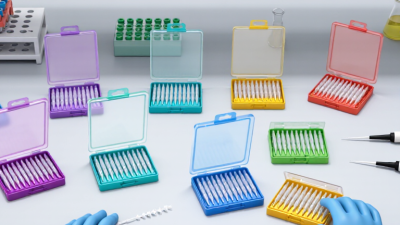
Packaging matters. For routine laboratory work, compare rack, refill, and bulk formats against actual bench usage. Racked tips reduce handling, while refill systems save storage space but require compatible trays. Inspect the inner bag, carton seal, and tamper evidence. A damaged corner can expose tips to dust or moisture. Clear lot numbers should appear on both the label and shipping carton. Small details matter.
Certification needs careful reading. Ask for a lot-specific certificate of analysis, not only a general compliance statement. Confirm sterility status, DNase, RNase, and endotoxin information when sensitive assays require them. Manufacturing quality systems, such as ISO 13485, may support supplier reliability, but they do not replace product-specific evidence. Requirements also differ between markets. A certificate accepted in one region may need additional documents elsewhere. I would verify this with the importing laboratory before placing a large order.
Supply options can change the buying decision. Compare regional inventory, minimum order quantities, production lead times, and cold-chain needs, if applicable. Request samples from the same production lot planned for shipment. Check whether the supplier can maintain dimensional consistency across future lots. That point is easy to overlook. Lower pricing may become expensive when tip fit, delivery delays, or customs paperwork disrupt testing schedules. I would keep one approved alternative, even if switching later requires another validation check.
| Market or Region | Common Tip Volume Formats | Typical Packaging Options | Certification and Documentation to Check | Supply and Purchasing Options | Key Selection Consideration |
|---|---|---|---|---|---|
| North America | 10 µL, 20 µL, 200 µL, 300 µL, and 1000 µL formats are commonly used. | Bulk bags, refill racks, sterile racks, and filtered-tip configurations. | Lot traceability, certificate of analysis, sterility statement where applicable, and validation of RNase-, DNase-, and pyrogen-free claims when required. | Direct procurement, laboratory distributors, framework contracts, and stocked regional warehouses. | Confirm compatibility with the specific pipette shaft and whether sterile, filtered, or low-retention tips are needed. |
| European Union and European Economic Area | Low-volume tips from 0.1–10 µL, standard tips from 2–200 µL, and large-volume tips up to 1000 or 1250 µL. | Reusable racks, recyclable refill systems, bulk bags, and individually packaged sterile options. | Quality-system evidence such as ISO 13485 where relevant, product conformity information, material declarations, and sterilization records for sterile products. | Authorized distributors, local stock points, laboratory supply agreements, and scheduled consolidated shipments. | Review packaging recyclability, language requirements, applicable chemical restrictions, and documentation required by the purchasing institution. |
| United Kingdom | 10 µL, 20 µL, 200 µL, 300 µL, and 1000 µL sizes are widely used in research and diagnostic laboratories. | Bulk packaging, rack refills, sterile racks, and filtered tips for contamination-sensitive workflows. | Batch records, sterility evidence, material information, and quality-management documentation requested by the laboratory or tender. | Local distributors, laboratory procurement frameworks, direct import, and domestic warehouse fulfillment. | Check post-import lead times, customs responsibility, and whether the supplier maintains local safety stock. |
| China and East Asia | 10 µL, 200 µL, and 1000 µL formats are common, with expanded low-retention and filtered options for molecular workflows. | Bulk bags, stacked racks, refill packs, sterile racks, and export cartons. | Certificate of analysis, manufacturing-batch traceability, sterilization method, bioburden or sterility information, and material declarations. | Direct factory purchasing, regional distributors, online laboratory suppliers, and export consolidators. | Request samples and fit tests before a large order; confirm carton labeling, translated documents, and export packaging strength. |
| Japan and South Korea | Low-volume, standard-volume, and high-volume tips are typically selected according to the pipette model and application protocol. | Racked tips, clean-room-oriented packaging, sterile racks, and compact refill systems. | Lot-specific quality data, dimensional specifications, sterilization records, and documented manufacturing controls. | Domestic laboratory distributors, approved importers, direct contracts, and just-in-time replenishment. | Prioritize dimensional consistency, insertion force, sealing performance, and dependable batch-to-batch supply. |
| India and South Asia | 10 µL, 200 µL, and 1000 µL formats are frequently specified for academic, clinical, and industrial laboratories. | Bulk bags for cost control, rack systems for routine work, and sterile filtered tips for molecular testing. | Certificate of analysis, lot traceability, sterility information, and documented compliance with the buyer’s laboratory quality system. | Local distributors, institutional tenders, direct imports, and regional inventory programs. | Compare landed cost rather than unit price alone, including freight, import duties, storage, and replenishment time. |
| Middle East | Standard 10–200 µL tips and large-volume tips up to 1000 µL are commonly requested. | Sealed export cartons, bulk bags, rack refills, and sterile filtered packaging. | Certificate of origin where required, batch certificate, sterility documentation, product specifications, and shipping-condition information. | Regional distributors, free-zone stock, direct import, and project-based supply contracts. | Use moisture-resistant outer cartons and confirm storage conditions, especially for long transit and high-temperature environments. |
| Latin America | 10 µL, 200 µL, 300 µL, and 1000 µL tips cover many routine research and clinical applications. | Bulk packaging, rack refills, sterile racks, and filtered tips for contamination control. | Lot traceability, certificate of analysis, sterility statement, material information, and documents needed for public or private tenders. | Local distributors, national importers, institutional contracts, and consolidated regional shipments. | Evaluate customs clearance capability, Spanish or Portuguese documentation, and continuity of local inventory. |
| Africa | 10 µL, 200 µL, and 1000 µL formats are common for general laboratory work, with filtered tips used in molecular applications. | Bulk bags for lower cost per tip, rack systems for controlled handling, and sealed cartons for extended transport. | Batch traceability, certificate of analysis, sterility evidence where applicable, and clear storage and transport instructions. | National distributors, regional hubs, donor-funded procurement, direct import, and scheduled bulk purchasing. | Plan safety stock around longer lead times and verify warehouse conditions, especially temperature, humidity, and dust control. |
| Australia and New Zealand | Low-volume, standard-volume, and 1000 µL tips are widely used across research, diagnostic, and environmental laboratories. | Racks, refill systems, bulk bags, sterile filtered tips, and export-protected cartons. | Certificate of analysis, lot traceability, sterility information, product specifications, and supplier quality-system records. | Domestic distributors, university procurement panels, direct import, and regional warehouse fulfillment. | Allow for geographic freight variation and select suppliers that can maintain consistent stock across major laboratory centers. |
Buyer checklist: Confirm pipette compatibility, nominal volume range, fit and sealing performance, filter status, sterility method, lot traceability, material composition, packaging integrity, storage requirements, minimum order quantity, lead time, and total landed cost. ISO 8655 is commonly used for performance requirements relating to piston-operated volumetric apparatus; it does not by itself certify a particular tip product.
Global buyers should assess pipette tip suppliers beyond price and attractive product photos. Request samples from each shortlisted supplier. Test fit, sealing, liquid retention, and ejection force with your actual pipettes. A tip that looks correct may still leak during repetitive dispensing.
Ask for lot-specific certificates, material details, sterility status, and production dates. Reliable suppliers should explain their quality controls clearly. Review their quality system, inspection records, and complaint-handling process. Independent audits can add confidence, although they do not replace your own testing. Keep written approval criteria before placing a large order.
Import preparation requires equal attention. Confirm the correct customs classification with a qualified broker. Check destination-country rules for laboratory consumables, packaging, labeling, and sterile claims. Prepare commercial invoices, packing lists, certificates of origin, and any requested conformity documents. Confirm Incoterms, insurance, port charges, and delivery responsibilities in writing. Small omissions can delay a shipment for weeks.
Packaging matters. Request carton dimensions and pallet details before booking freight. Inspect cartons for crushed corners, broken seals, or moisture marks upon arrival. Store tips in a clean, dry area, away from chemicals and direct sunlight. I have found that supplier promises are useful, but documented performance is stronger. My own process is not perfect; occasional assumptions about customs paperwork have caused avoidable delays. Rechecking every field is slower, yet safer.