
What Are the Best Universal Pipette Tips in 2026?

Choosing the best universal pipette tips in 2026 is not just a matter of price or color. A tip must fit securely, seal consistently, and release liquid cleanly. Small differences matter. Watch a droplet cling to the inside of a tip, or a loose fit wobble during aspiration, and the practical stakes become clear.

This guide compares universal pipette tips by fit, accuracy, material, packaging, and compatibility across common pipette brands. It also considers sterile and filtered options, low-retention surfaces, and whether each design suits routine work or demanding assays. Product claims deserve scrutiny. “Universal” does not always mean universal in practice, and performance can vary with the pipette, liquid, and technique.

A note on attribution: no verifiable expert quotation or named pipette-tip specialist was provided, so I won’t invent one. That restraint matters in a purchasing guide. Instead, the comparison focuses on checkable specifications, manufacturer documentation, and practical evaluation points. A tip that looks right in a catalog may still fit poorly on the bench. The details deserve a closer look.
What Are the Best Universal Pipette Tips in 2026?

What Universal Pipette Tips Are and How They Work

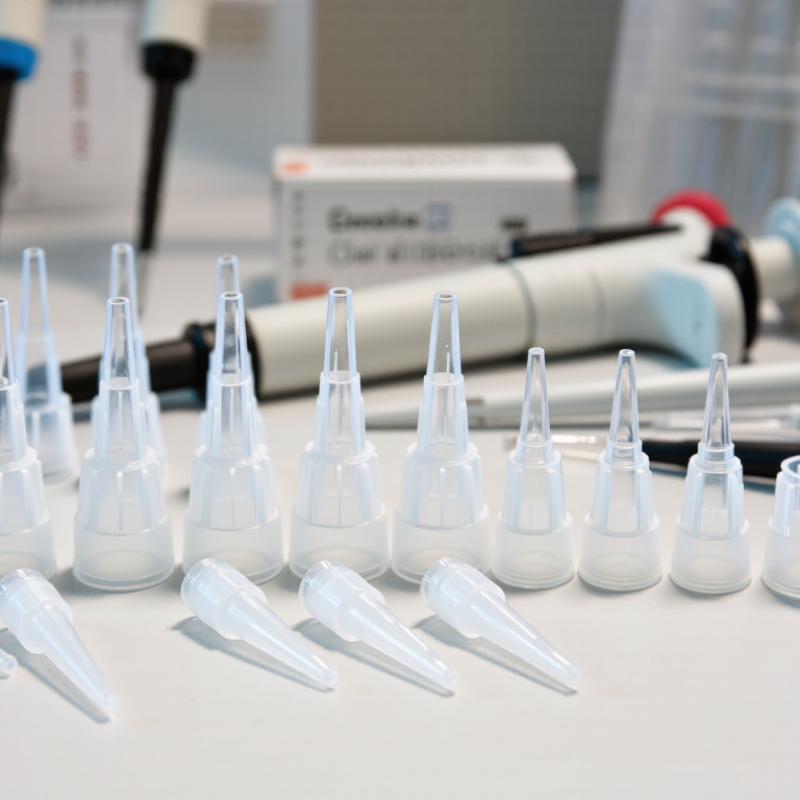
Universal pipette tips are disposable, tapered tubes designed to attach to more than one pipette model. “Universal” describes intended compatibility, not a promise that every tip fits every instrument. Small differences in collar shape, length, and polymer flexibility can affect the seal. A loose fit may leak air; a tight one may need extra force. Check fit and ejection before routine use.

Most air-displacement pipettes work through an air cushion. Pressing the plunger moves a piston, expelling air; releasing it draws liquid into the tip. The liquid should not enter the pipette itself. Tip geometry, wetting, and retained droplets can influence delivered volume, especially with viscous or foaming samples. Small details matter.

ISO 8655-2:2022 sets performance limits for piston-operated volumetric apparatus. For a 1,000 μL pipette, its maximum permissible systematic error is 8 μL, with a 3 μL limit for random error. ISO 8655-6:2022 describes a gravimetric reference procedure for checking performance. These figures apply to the pipette under specified test conditions, not every tip-and-liquid combination. That distinction is easy to miss. A practical check is to weigh repeated dispenses using the intended tips and liquid, then look for trends as well as averages.

How Pipette Compatibility and Fit Are Evaluated

A “universal” label is only a starting point. Compatibility depends on the pipette shaft’s diameter, taper, and length, plus how firmly the tip seats. In routine checks, technicians look for a straight fit, a secure seal, and smooth ejection. Too loose, and liquid may leak or the tip may fall off. Too tight, and loading can strain the shaft or make ejection difficult. Small details matter. A visible gap or a crooked tip deserves attention.

Fit alone does not prove accurate delivery. A useful check pairs physical inspection with repeated gravimetric dispensing using water and a calibrated balance. ISO 8655-2:2022 sets a maximum permissible systematic error of 6 microlitres for a 1,000-microlitre piston pipette; ISO 8655-6 describes a gravimetric reference procedure. These figures evaluate pipette performance, not every tip-and-pipette pairing. That distinction is easy to miss. Record the pipette model, tip lot, seating feel, leakage observations, and measured delivery across several dispenses. Compare results with the pipette’s stated limits. One caveat: a tip can fit securely yet still perform poorly with a particular liquid or technique. Universal is not a guarantee.

What Are the Best Universal Pipette Tips in 2026? — How Pipette Compatibility and Fit Are Evaluated
Evaluation dimension How to assess it Evidence of a suitable fit Common warning signs Why it matters
Compatibility with the pipette model Check the pipette manufacturer’s compatibility information, then test the exact pipette model and tip type in use. The tip seats consistently on the pipette cone and performs as intended across the relevant volume range. A tip listed as “universal” is assumed to fit every pipette without model-specific verification. “Universal” is a product description, not a guarantee of compatibility with every pipette design.
Seating and seal Attach tips using the pipette’s normal technique. Check for even seating and, where appropriate, perform a liquid-handling or leak check. The tip remains seated during aspiration and dispensing, with no visible leakage or air entry at the connection. Loose seating, excessive force needed for attachment, tilted tips, or leakage around the cone. An inconsistent seal can affect sample transfer and repeatability.
Retention and ejection Fit and eject several tips using the pipette’s standard operating procedure. Tips stay attached during use and eject cleanly without sticking or requiring unusual force. Tips fall off during handling, jam on the cone, or eject unevenly. Reliable attachment and ejection support safe, consistent workflow.
Volume-range performance Verify liquid handling at the volumes routinely used, following the laboratory’s pipette verification procedure. Results meet the applicable pipette and laboratory acceptance criteria at the tested volumes. Performance is assumed from the printed tip capacity alone, without checking the pipette-and-tip combination. Tip capacity does not by itself establish accuracy or precision for a particular pipette.
Accuracy and precision Gravimetrically test the assembled pipette and tip where appropriate, using a documented procedure and suitable balance. Measured systematic and random error satisfy the limits specified for the pipette, test volume, and laboratory procedure. Using one result, one volume, or an unspecified tolerance to judge the entire operating range. Acceptance limits depend on the pipette, volume, method, and applicable requirements.
Tip-to-tip consistency Repeat measurements with multiple tips from the same lot and compare results. Results are consistent within the laboratory’s established criteria. Large variation between tips or inconsistent seating across the lot. Consistent molding and fit help reduce variation during routine work.
Application-specific features Choose the tip style required by the procedure, such as filtered, low-retention, or extended-length tips, and verify fit separately. The required feature is present and the tip remains compatible with the pipette and the intended workflow. Assuming a filter or surface-treatment feature improves every application or fits every pipette. Special features address specific needs and do not replace compatibility testing.
Lot and documentation review Review the product’s stated capacity, material, sterility or certification claims, and lot documentation when relevant. Documentation matches the laboratory’s requirements and the tested product and lot. Relying on appearance alone or treating documentation as proof of fit with a specific pipette. Documentation supports traceability; physical fit and performance still need to be evaluated.
Selection takeaway: The best universal-style tip is one verified for the specific pipette model, volume range, and application. Compatibility and performance should be confirmed with the laboratory’s documented procedures; there is no single fit test or acceptance limit that applies to every pipette-and-tip combination.

Which Tip Features Affect Accuracy and Reliability

What Are the Best Universal Pipette Tips in 2026?
Which Tip Features Affect Accuracy and Reliability

“Universal” describes a broad fit, not a perfect fit. The tip should attach securely without excessive force and remain sealed during aspiration. A loose fit can draw air; a tip that needs hard pressing may deform or damage the pipette cone. Check compatibility with each pipette model, especially when several instruments share a bench.

Tip geometry matters, too. Consistent length, opening shape, and internal diameter help produce repeatable liquid flow. Low-retention surfaces can reduce leftover droplets, which matters when handling small volumes or viscous samples. Filters may help limit aerosol transfer, but they should not obstruct airflow or change dispensing performance. Small details count.

Material quality and manufacturing consistency affect reliability between batches. Look for clear specifications, lot traceability, and documented quality checks. For critical work, test candidate tips with the actual pipette and liquid. Weigh repeated water dispenses on a suitable balance, then compare variation across tips and operators. Not glamorous, but useful. A tip that performs well with water may behave differently with a dense or surface-active liquid. Recheck fit and volume performance after changing tip types; “universal” is not a substitute for verification.

What Are the Best Universal Pipette Tips in 2026?

Which tip features affect accuracy and reliability?

These are representative nominal capacities commonly available for pipette tips; the list is not exhaustive, and availability varies. Choose a tip whose capacity suits the pipetting volume. Accuracy and reliability also depend on a secure fit and seal, clean tips, consistent technique, and compatibility with the pipette. Capacity alone does not indicate performance.

How Sterility and Material Suit Different Laboratory Uses

Universal pipette tips are practical when several pipettes share a bench, but “universal” does not guarantee a perfect fit. Check the pipette manufacturer’s compatibility guidance, then test seating and ejection with the models used in your lab. A loose fit can affect accuracy; a tip that sticks may slow repetitive work. Small details matter.

Choose sterile tips when handling cell cultures, molecular assays, or other samples where contamination could compromise results. Look for clear sterilization claims and lot-specific documentation, and keep tips sealed until use. Filtered tips can help limit aerosols entering the pipette shaft, though they do not replace careful technique. For routine buffer transfers, nonsterile tips may be suitable if the workflow permits them.

Most tips are made from polypropylene, valued for chemical resistance and low sample interaction. Low-retention surfaces can help when dispensing small volumes of viscous or valuable liquids, but performance varies by design. Check whether the tip’s material and any surface treatment suit your sample and downstream assay. It is tempting to choose one tip for everything. In practice, sterility, fit, and liquid behavior may matter more than a broad compatibility label, and that can take a little testing to confirm.

How to Compare Universal Pipette Tips in 2026

When comparing universal pipette tips in 2026, treat “universal” as a claim to verify, not a guarantee. Fit comes first. Check each tip against the exact pipette model and volume range, then inspect seating and ejection. A loose seal can cause inconsistent aspiration; a tip that grips too tightly may slow routine work. If possible, test several channels, not just one.

Compare performance using the liquids and workflow you actually handle. For aqueous samples, clear polypropylene can make liquid levels easier to see. For viscous or valuable samples, request low-retention data and compare residual droplets after dispensing. Filtered tips may help reduce aerosol transfer, but they are not necessary for every assay. Check the conditions behind accuracy claims; technique, temperature, and liquid properties can affect results.

Review quality records too: lot identification, material information, and sterility documentation when required. Small details matter. A catalog can make comparison look tidy, while real benches are less tidy. I would shortlist a few options, test low and high volumes repeatedly, and record fit, leakage, and repeatability before routine use. Universal compatibility still needs local verification.