Choosing reliable suppliers requires more than comparing catalog prices. In the USA, scientific pipette tips support PCR preparation, cell culture, liquid handling, and diagnostic workflows. Small design differences can change results. Tip fit, polymer quality, sterility, filter performance, and low-retention behavior all matter.
Grand View Research identifies laboratory plasticware as a growing market, supported by expanding biotechnology and clinical testing. MarketsandMarkets also reports continued growth in the global pipette and liquid-handling equipment sector. These reports show demand, but they do not guarantee supplier quality. Buyers still need evidence from lot certificates, compatibility tests, and documented quality systems. ISO 8655 guidance also emphasizes the importance of accurate pipetting equipment and controlled testing conditions.
Dr. John R. Taylor, a recognized measurement-science author, wrote, “The uncertainty in a measurement is a quantitative indication of the quality of the measurement.” That principle applies directly to usa scientific pipette tips. A poorly fitted tip may leave droplets inside a narrow 200-microliter tip. A weak filter may also compromise sensitive workflows. Experienced laboratories often check sealing force, aerosol protection, packaging integrity, and replenishment reliability before approving a supplier.
This list examines ten leading suppliers serving the USA. It considers product range, manufacturing experience, certifications, delivery capability, and technical support. Some conclusions remain imperfect. Supplier rankings can change with pricing, regional stock, and new validation data. That is worth remembering. A famous brand is not automatically the best choice for every laboratory.
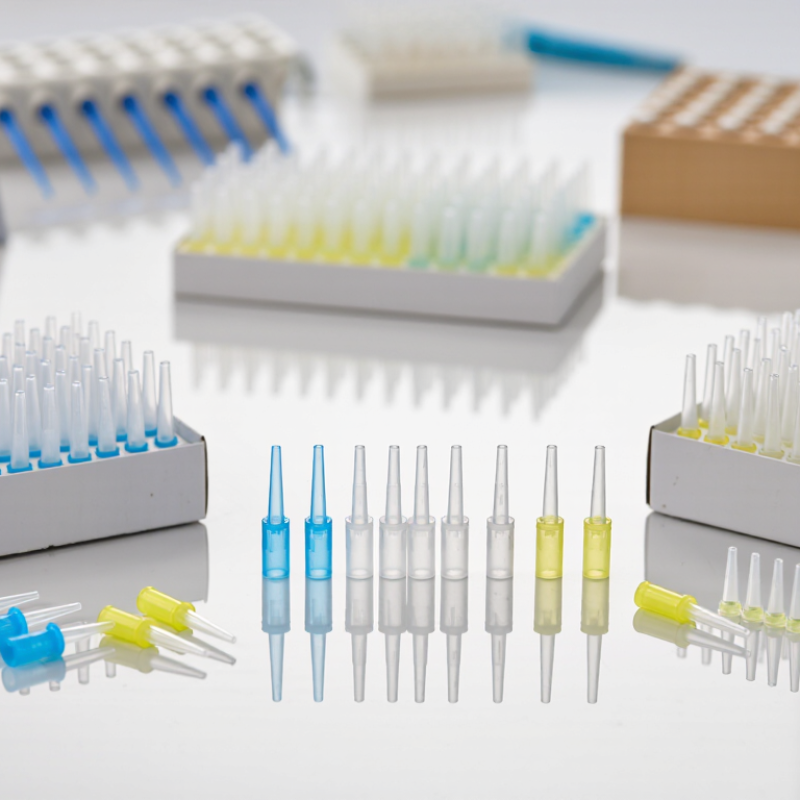
Scientific pipette tips are detachable, disposable parts that transfer measured liquid with an air-displacement pipette. Most use molded polypropylene, while filter tips add a barrier against aerosols and carryover. In U.S. laboratories, small volume errors can affect PCR, cell culture, and clinical testing. A review in Clinical Chemistry and Laboratory Medicine reported that preanalytical mistakes may represent about 60%–70% of laboratory errors. The tip cannot solve every problem. It remains a critical control point.
Demand is also becoming more technical. Grand View Research’s 2024 market analysis identifies rising molecular testing and laboratory automation as major growth drivers for pipette tips. U.S. labs therefore need consistent fit, low-retention surfaces, verified sterility, and clear lot traceability. ISO 8655-2:2022 emphasizes testing piston-operated volumetric apparatus, including accuracy and repeatability. These requirements matter when transferring two microliters into a narrow PCR tube. A loose tip wastes sample. A poorly molded tip may leak air.
Practical tip: Match the tip to the pipette model and volume range. Use filtered tips for aerosol-sensitive workflows. Check packaging before opening. A cracked rack or wet seal deserves attention. Even “sterile” tips require careful handling after removal. My practical concern is simple: laboratories often compare price first. That choice can overlook fit, evaporation, and inconsistent liquid delivery. No tip is universally perfect. Verification with real samples is still necessary.
Choosing among China’s top 10 pipette tip suppliers for the U.S. requires more than comparing prices. Grand View Research and MarketsandMarkets reports identify North America as a major demand center for laboratory consumables. That demand raises quality expectations. Ask suppliers for ISO 9001 records, ISO 13485 certification where applicable, and documented lot traceability. Check resin specifications, mold maintenance, and production-room controls. A polished certificate is not proof of consistent performance.
Request test data for fit, leakage, liquid retention, and pipetting accuracy. ISO 8655-2:2022 provides useful reference points for volumetric performance. For sterile tips, review sterilization validation, packaging integrity, and expiration evidence. For molecular work, request RNase, DNase, DNA, and endotoxin test results. The U.S. FDA Quality Management System Regulation, effective in 2026, also makes quality-system alignment increasingly important for applicable products. Do not assume FDA registration equals product approval. That assumption causes avoidable problems.
Tips: Order samples from at least three production lots. Test them with the exact pipettes used in your laboratory. Measure seal pressure and liquid retention at low and high volumes. Inspect racks after air freight. Ask for corrective-action records, not only certificates. Delivery data matters too; review lead times, customs documents, and backup capacity. I would still keep a second supplier. It costs more, but one delayed shipment can disrupt an entire study. Supplier evaluation is never fully finished.
This 100-point evaluation framework focuses on the practical requirements U.S. laboratories and distributors commonly verify: documented quality systems, pipette compatibility and performance evidence, sterility controls, traceability, export documentation, and supply continuity. The percentages represent assessment priorities rather than the performance of any individual supplier.
For American buyers, China’s top 10 scientific pipette tip suppliers should be judged by evidence, not catalog size. Grand View Research reported that the global laboratory automation market reached approximately USD 6.9 billion in 2023. This growth increases demand for consistent, automation-ready consumables. Suppliers should therefore provide ISO 8655-2 testing, lot traceability, mold-control records, and clear sterilization documentation. Those details matter when a tip touches a 96-well plate at 8 a.m.
Reliable suppliers should explain polypropylene grades, filter performance, sealing quality, and compatibility with common pipette systems. Buyers should request certificates of analysis, DNase and RNase testing, endotoxin data, and sample lots before signing annual contracts. ASTM E1054 can support disinfectant-related verification, but it does not replace product-specific validation. That distinction is easy to miss.
The U.S. laboratory products market remains highly dependent on stable distribution and documented quality. A 2024 report from Fortune Business Insights identified continuing expansion in laboratory equipment and consumables, driven partly by biotechnology and diagnostics. Still, forecast figures vary between reports. I would not treat one market estimate as absolute truth. Supplier audits should include carton labeling, moisture protection, batch coding, and response times for nonconforming products. A low unit price can become expensive after repeated pipetting errors. Some suppliers communicate well during sampling, then respond slowly after shipment. That risk deserves a written service agreement, not optimism.
When comparing Chinese pipette tip suppliers for the USA, product quality deserves practical testing. Ask for samples from several production batches, not one attractive shipment. Inspect the polypropylene for clarity, burrs, and deformation around the tip opening. Low-retention surfaces can reduce liquid waste, especially with viscous samples. Sterile tips should include clear lot numbers, sterilization records, and certificates of analysis. RNase-free, DNase-free, and endotoxin-controlled options may suit sensitive laboratory work.
Compatibility is more than a claimed “universal fit.” Test the tips on your exact pipette models, using both slow and rapid aspiration. A secure seal should not require excessive force. For automated systems, check rack dimensions, tip presence detection, and robotic release performance. Some suppliers offer filtered, conductive, or extended-length formats. These features can improve workflow, but they also raise costs. Do not assume every compatible-looking tip performs equally.
Pricing should include samples, molds, packaging, freight, customs handling, and replacement risk. Compare the landed cost per usable tip, not only the quoted unit price. Reliable suppliers should provide traceability, quality procedures, and relevant certifications, such as ISO 9001 or ISO 13485 where applicable. Certification alone is not proof of performance. Request audit evidence, inspection standards, and recent batch records.
My own caution is simple: supplier rankings can hide inconsistent production. A small pilot order may reveal more than a polished catalog.
When comparing the top ten scientific pipette tip suppliers for the USA, start with technical fit, not price. Confirm the tip matches your pipette model and working volume. A 10 µL tip may perform poorly when used outside its intended range. Check whether you need filtered, sterile, low-retention, or automation-compatible tips. Small details matter.
Request samples before placing a large order. Test several lots with your own pipettes, liquids, and dispensing speeds. Observe sealing, droplet formation, liquid retention, and fit on the shaft. Review certificates for sterility, RNase, DNase, endotoxin, and production quality. Verify each document with the supplier. Do not rely on a downloadable certificate alone.
For U.S. purchasing teams, supplier reliability also includes traceability and delivery control. Ask for lot numbers, expiration guidance, batch records, and a clear complaint process. Compare the full landed cost, including freight, customs paperwork, storage, and replacement terms. A low unit price can become expensive after inconsistent performance causes rework. It happens.
Evaluate communication during the quotation stage. Precise answers usually indicate stronger technical support. Still, good communication cannot replace testing. Some suppliers may promise universal compatibility, but that claim deserves careful review. Define acceptance criteria before approval, such as leak-free sealing, stable volume delivery, and intact packaging. Keep a written comparison sheet, then reassess the supplier after the first shipment.