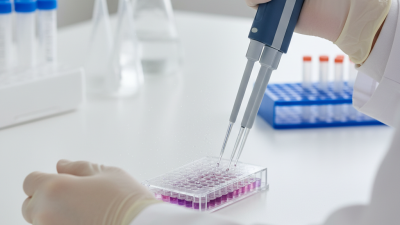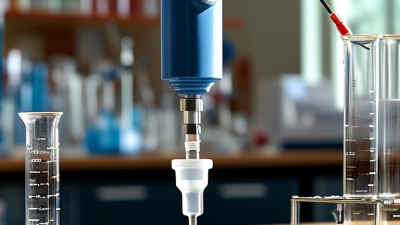
Choosing the right liquid handling pipette in 2026 requires more than comparing brands or digital features. Laboratory teams must match pipette design with liquid properties, sample volume, workflow speed, and contamination risks. Air-displacement pipettes remain practical for routine aqueous solutions. Positive-displacement models handle viscous, volatile, or foaming liquids more reliably. Electronic and multichannel pipettes can improve repeatability during repetitive plate-based work.
Real laboratories expose details that product pages often miss. A 10 µL pipette may feel precise during calibration but become awkward during hundreds of transfers. A multichannel model can reduce processing time, yet uneven tip seating may affect an entire microplate. Climate also matters. Temperature, humidity, and operator technique can influence measurement performance. It is not simple.
This overview examines leading pipette types expected to shape global laboratory practice in 2026. It considers manual, electronic, single-channel, multichannel, air-displacement, and positive-displacement designs. Each section will connect technical specifications with practical use, including ergonomics, calibration, maintenance, tip compatibility, and liquid behavior. Reliable selection should follow documented performance data and recognized quality practices, including routine verification against applicable laboratory standards such as ISO 8655. However, no instrument is perfect. Real-world results depend on training, service access, and consistent operating habits. That assumption can fail. By comparing strengths, limitations, and suitable applications, laboratory managers can make decisions grounded in evidence rather than marketing language. The goal is not to identify one universal winner. It is to clarify which pipette type earns trust for each task, sample, and working environment.
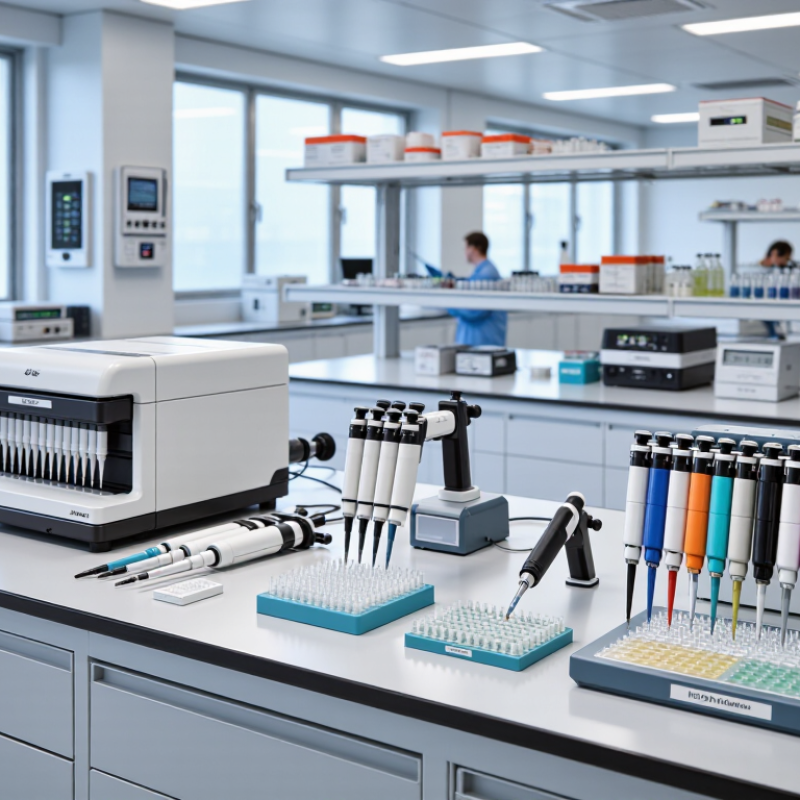
Liquid handling pipettes are precision tools used to aspirate, measure, and dispense liquid samples. They support routine work in clinical, research, environmental, and industrial laboratories. Common types include air-displacement, positive-displacement, electronic, multichannel, and adjustable-volume pipettes.
Their value is practical. A technician can transfer 100 microliters into a microplate with controlled force and repeatable volume. Multichannel models can fill several wells at once, reducing hand movement during high-throughput testing. Electronic pipettes may help standardize speed, especially when many samples require identical handling. In my laboratory experience, comfortable grips and clear volume settings also reduce fatigue during long workflows.
Accuracy depends on more than the pipette itself. Tip fit, liquid temperature, viscosity, operator technique, and calibration records all matter. Small air bubbles can change results. So can rushing.
No pipette is perfect. Even trained users may apply uneven pressure or pause too long before dispensing. Regular performance checks, suitable tips, and written procedures improve reliability across laboratories with different climates and working habits. Global labs use these instruments because they make tiny liquid transfers measurable, repeatable, and easier to document. Yet their results still deserve review. A precise tool cannot correct a poorly designed method.
Pipettes are commonly classified by design and operating principle, not appearance alone. Design describes how the tool fits the hand and workflow. Operating principle explains how liquid moves. A single-channel pipette serves one vessel at a time. Multichannel models transfer equal volumes across plates. Adjustable-volume tools support varied protocols, while fixed-volume tools can improve repeatability in repetitive tests. Electronic actuation reduces thumb force. Manual actuation provides direct tactile feedback. Small differences matter.
The main operating split is air displacement versus positive displacement. Air-displacement pipettes use a piston and an air cushion between piston and liquid. They suit aqueous samples at room temperature. However, viscosity, vapor pressure, and temperature can affect accuracy.
Positive-displacement pipettes place the piston directly against the liquid through a disposable capillary or tip. This design handles volatile, dense, or foaming liquids more reliably. It also needs careful tip selection. Not every difficult liquid requires it, though.
Other designs include volumetric pipettes, transfer pipettes, repeating pipettes, and specialized low-retention formats. Volumetric pipettes deliver one calibrated volume with strong precision but limited flexibility. Repeating pipettes dispense many equal portions from one fill, saving time during plate preparation. In a quality-focused lab, technicians check fit, leaks, stroke movement, and gravimetric performance. They record temperature and liquid type. A useful reality check: a pipette can be accurate yet uncomfortable, or comfortable yet poorly calibrated. Even experienced users occasionally overlook evaporation at the tip. That oversight deserves review.
Choosing a pipette depends on workflow pressure, sample volume, and how often hands repeat the same motion. Manual single-channel pipettes suit targeted transfers, serial dilutions, and small batches. They offer direct control when tubes contain different liquids.
Speed matters. Fit matters more.
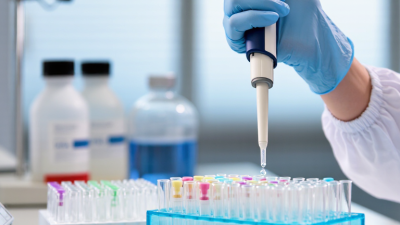
A multichannel pipette serves microplate work, especially when eight or twelve wells need equal treatment. It can reduce repetitive strain and improve timing between samples.
However, poor tip alignment may cause uneven aspiration or splashing. Operators should check channel sealing, liquid level, and plate position before starting. Reverse pipetting can help with viscous or foaming liquids, although it needs practice.
High-throughput laboratories often combine electronic pipettes, larger channel systems, or automated liquid handlers. These options support consistent dispensing across hundreds of wells and can record programmed volumes.
Yet automation does not remove quality risks. Tip compatibility, calibration intervals, deck positioning, and liquid-specific settings still require review. A small viscosity difference can change delivered volume.
No format is perfect.
A manual pipette may outperform automation during an unusual troubleshooting task. Conversely, repeated plate transfers can quickly expose the limits of manual work. A practical selection should compare accuracy, ergonomics, throughput, maintenance, and operator training. Reviewing real transfer logs is often more useful than trusting capacity claims alone.
Electronic and automated pipettes are changing how global laboratories control liquid handling accuracy. In daily bench work, electronic pipettes reduce hand pressure and maintain a steadier piston movement. This matters when dispensing dozens of wells with small volumes. Programmable volume settings also reduce repeated thumb adjustments and transcription mistakes. Shorter steps help.
Automated platforms add consistent aspiration, dispensing, and mixing cycles across entire plates. They can record settings, timing, and sample positions, supporting traceability during quality reviews. Sensors may detect liquid levels, blocked tips, or incomplete aspiration before results are released. Proper calibration remains essential. Automation cannot correct poor tip fitting, unsuitable speeds, evaporation, or an incorrectly prepared sample. Small errors accumulate.
Liquid properties still require judgment. Viscous solutions may need slower aspiration, while volatile liquids can demand careful timing and controlled exposure. Experienced technicians often verify electronic settings with gravimetric checks, especially after maintenance or when changing liquid types. Results improve further when operators use matching tips, consistent immersion depths, and stable room conditions. Yet no system is perfect. Carryover, foam, and software configuration can still create hidden variation. A practical laboratory should compare automated results with manual controls instead of assuming newer equipment is automatically better.
In 2026, laboratories should select pipettes according to liquid properties, workload, and required accuracy. Air-displacement pipettes suit routine aqueous solutions. Positive-displacement models handle volatile, viscous, or foaming liquids more reliably. Electronic pipettes can reduce thumb fatigue during repeated transfers. Multichannel designs improve consistency across microplate wells, but only when tips seat evenly.
Use the smallest suitable volume range. A 1,000-microliter pipette should not measure 20 microliters. Pre-wet the tip when working with water-like samples. Keep the pipette vertical during aspiration, and pause briefly before dispensing. Watch the liquid level. Tiny bubbles can change results. Experienced technicians also compare replicate readings, because a comfortable technique is not always a precise one.
Tips: Store pipettes upright on a stable stand. Inspect shafts, seals, and tips before use. Clean exterior surfaces after spills, following the laboratory’s approved procedure. Schedule calibration with documented reference equipment and qualified personnel. Temperature matters; let pipettes and liquids reach room conditions before critical work. Do not force the plunger past its normal stop. A perfect routine does not exist. Even careful users should review drift, unusual resistance, and inconsistent wells instead of blaming the instrument immediately. Calibration records, maintenance logs, and user training provide stronger evidence than confidence alone.