10 Essential Tips for Mastering Repetitive Pipette Techniques
Mastering repetitive pipette techniques is crucial for anyone working in laboratories. Precision and accuracy play significant roles in experiments and analyses. A minor mistake can lead to incorrect results. Thus, proper pipetting skills are essential.
Repetitive pipette usage requires a steady hand and thoughtful technique. Many beginners struggle with consistently drawing and dispensing the correct volumes. Over time, practice can improve these skills, but understanding the right methods is key. This article presents ten essential tips to enhance your repetitive pipette technique.
Developing a feel for the equipment is vital. Frequent use can lead to fatigue, affecting performance. Recognizing when to take breaks can help maintain focus. Every lab experience is unique, which means adapting your technique is important. By exploring these tips, you’ll gain valuable insights and improve your pipetting practices. With dedication and attention, mastering repetitive pipette techniques is within your reach.
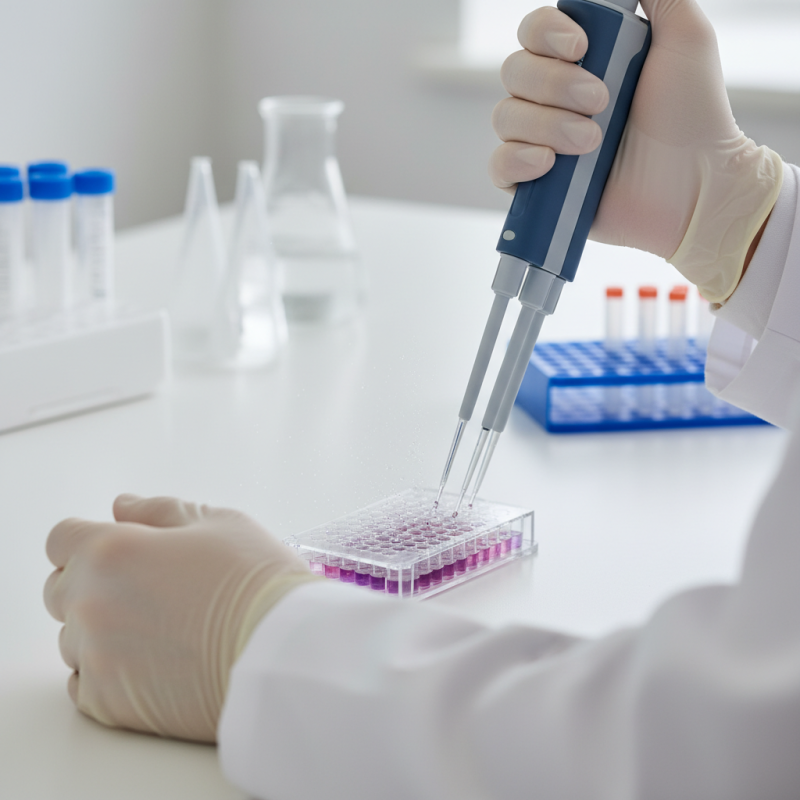
Understanding the Basics of Pipetting Techniques
Pipetting is a fundamental technique in laboratories, especially in biology and chemistry. Mastering it requires understanding the basics. According to a 2022 report by the Journal of Laboratory Automation, 70% of lab errors are attributed to improper pipetting techniques. Such mistakes can lead to inaccurate results, wasting time and resources.
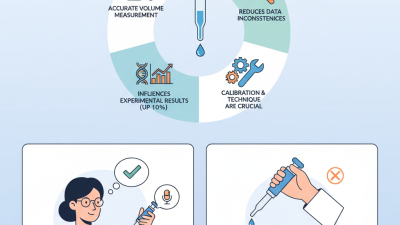
Proper pipetting starts with choosing the right pipette. Different volumes require different types. Using a pipette outside its recommended range can lead to significant errors. For instance, a 5 µL pipette should not be used to measure 50 µL. Calibrating pipettes regularly is essential. Studies show that uncalibrated pipettes can have a variance of up to 10%, which greatly affects the reliability of your experiments.
Grip technique is just as crucial. A poor grip can alter your pipetting precision. Many users don’t realize that applying excessive force can lead to disparities in liquid volume. Observing how others pipette can provide valuable insights. It can reveal common errors that you might overlook. Experimenting with different techniques can, in fact, enhance your practice and boost accuracy. Reflecting on your habits in the lab is necessary for improvement.
Essential Equipment for Efficient Pipetting
Mastering pipette techniques requires not only skill but also the right equipment. An essential pipetting setup includes a high-quality pipette, appropriate tips, and a reliable calibration tool. A good pipette should feel comfortable in hand. Ergonomics matter. If it feels awkward, you might struggle with precision over time.
Using the correct pipette tips is crucial. They should match your pipette model to avoid leaks and inconsistencies. Pay attention to volume ranges. If you often work with low volumes, consider using low retention tips. They minimize liquid residue, which can lead to measurement errors.
Calibration is an often-overlooked aspect. Regularly checking your pipette's accuracy can save you from costly mistakes. Some people skip this step. That can lead to frustration when results don't match expectations. Instead, develop a routine for checking pipette performance. Aim for consistency in your setup for more reliable results. Proper equipment makes a significant difference in mastering pipetting techniques and executing reliable experiments.
Step-by-Step Guide to Proper Pipette Handling
Mastering pipette techniques is paramount for accurate laboratory results. Proper handling ensures precise measurements. According to a 2021 study, improper pipetting can lead to a 10-15% variance in results. Ensuring consistency is critical.
One key tip is proper pipette setting. Always verify calibration before use. A poorly calibrated pipette can significantly affect your experimental outcomes. Another tip focuses on the angle of pipetting. Holding the pipette at a 90-degree angle reduces the risk of aspiration errors. This small adjustment can save time and resources.
Additionally, practice the two-handed technique for better control. It may feel awkward initially. However, this method allows for more stability, particularly for repetitive tasks. Utilizing these techniques can lead to more reliable results. Remember, continuous reflection on your pipetting method is essential for improvement. Tracking your performance can highlight areas for skill enhancement, leading to greater accuracy over time.
Common Mistakes to Avoid in Pipetting
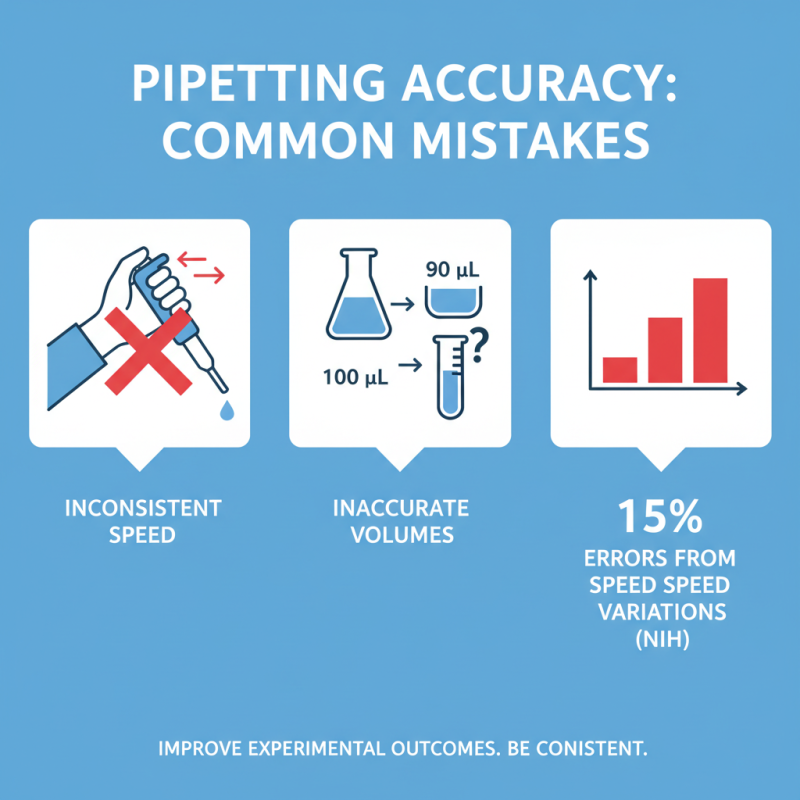
Pipetting is a skill essential for many laboratory processes. However, even experienced practitioners can make common mistakes. One frequent error involves inconsistent pipetting speeds. Studies indicate that variations in speed can lead to inaccurate volumes. This can significantly affect experimental outcomes. A report from the National Institutes of Health highlights that nearly 15% of pipetting errors stem from speed inconsistencies.
Another area of concern is tip fitting. Poorly fitting pipette tips can introduce air gaps. This compromises the accuracy of the dispensed liquid. In fact, a survey conducted among lab technicians noted that about 20% experienced issues due to unmatched tips. Ensuring a proper seal is vital for reproducibility. Additionally, failing to pre-wet pipette tips before use can lead to discrepancies in fluid volumes.
Finally, maintaining equipment is crucial. Neglecting regular calibration and maintenance can exacerbate existing issues. Data shows that 30% of researchers do not adequately check their pipettes. This oversight can result in diminished accuracy over time. Anomalies may go unnoticed until significant results emerge, complicating the validation process. Being aware of these common pitfalls can help in reaching greater precision in pipetting practices.
Best Practices for Maintenance and Calibration of Pipettes
When it comes to pipetting, maintenance and calibration are key. Regular checks can prevent errors. A well-maintained pipette enhances accuracy, leading to more reliable results. Inconsistent performance can stem from poor calibration. Aim for a routine frequency in checks, perhaps every six months or after heavy use.
Calibration is not just a checkbox. It's part of a responsible lab culture. Procedures should document each calibration step. Even trained users can overlook small inconsistencies. Regular adjustments can prevent skewed data and promote confidence in your work. Different types of pipettes require specific techniques.
Remember, less can be more. A simple, clean workspace fosters focus. Proper handling minimizes wear and tear. Always return pipettes to their resting position after use. This habit can extend lifespan. Reflecting on your practices often reveals areas needing improvement.
10 Essential Tips for Mastering Repetitive Pipette Techniques - Best Practices for Maintenance and Calibration of Pipettes
| Tip Number |
Tip Description |
Frequency of Maintenance |
Calibration Method |
Common Errors |
| 1 |
Use the correct pipette for your volume range |
Daily |
Volumetric test |
Under or over pipetting |
| 2 |
Calibrate regularly using calibrated weights |
Monthly |
Gravimetric method |
Improper calibration technique |
| 3 |
Inspect pipette tips before use |
Daily |
N/A |
Damaged tips |
| 4 |
Store pipettes vertically to avoid leaks |
Daily |
N/A |
Fluid backflow |
| 5 |
Use a consistent speed when pipetting |
Every use |
N/A |
Inconsistent volume distribution |
| 6 |
Use appropriate tips for your pipette model |
Every use |
N/A |
Volume inaccuracies |
| 7 |
Clean pipettes regularly to maintain functionality |
Weekly |
N/A |
Contamination |
| 8 |
Avoid touching the pipette tip to surfaces |
Every use |
N/A |
Sample contamination |
| 9 |
Use a calibration service for best results |
Annually |
N/A |
Inaccurate results |
| 10 |
Train personnel on proper pipetting techniques |
At hiring and annually |
N/A |
Improper technique |