Top Types of Rainin LTS Pipette Tips for Lab Buyers
Choosing Rainin LTS pipette tips is not just a matter of matching colors or comparing prices. Buyers need to consider pipette compatibility, sample type, volume range, and the handling demands of daily work. A secure fit matters. So does consistency.
This guide compares common options, including standard, filtered, low-retention, and sterile tips. Each serves a different purpose. Filtered tips can help reduce aerosol transfer during sensitive workflows, while low-retention surfaces may support recovery of viscous or valuable samples. Sterile tips suit workflows that require sterile consumables, but they are not automatically necessary for every application. Check the packaging and product specifications before ordering.
Small details count. A rack that fits the bench routine can save time; a tip that feels loose can interrupt it. Buyers should confirm that the specific tip model is designed for their Rainin LTS pipette and intended volume range. Product names and features can vary, so verify current manufacturer documentation rather than relying on appearance alone.
An expert quotation should be exact and traceable. No source material was provided to verify a named Rainin LTS specialist or their words, so this introduction does not invent one. Add a source-checked quotation here before publication. That gap matters. Even a practical buying guide should distinguish verified advice from editorial judgment.
Understanding the Rainin LTS Tip Interface
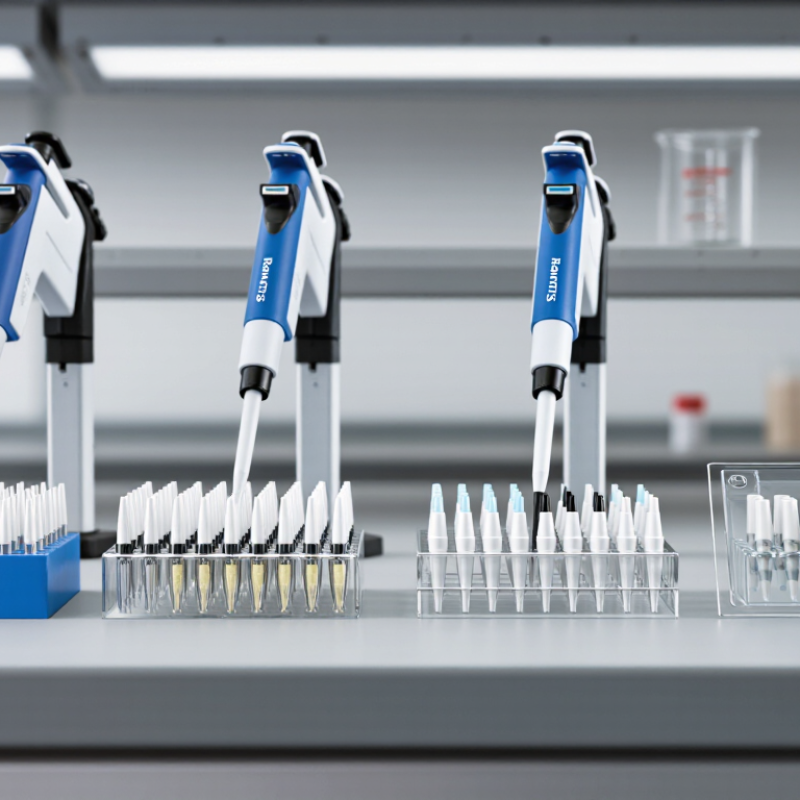
The tip interface is the small but critical contact point between a pipette shaft and a disposable tip. With a low-force, shaft-matched design, the tip should seat securely without being pushed on with excessive pressure. This matters during repetitive work: a tight fit can make tip ejection tiring, while a poor seal can affect aspiration and dispensing. A gentle, even press is usually more reliable than a forceful jab.
Compatibility is specific. A tip may look close to the right size and still fail to seal properly, so check that its interface is made for the pipette model and volume range. When loading, keep the pipette upright and press the shaft straight into the tip; angled contact can distort the fit. Then aspirate a small volume of water and inspect for dripping or inconsistent delivery. No leak? Good sign. It is not a complete accuracy test, though. Liquid type, technique, and calibration still matter. Rack position can also affect how evenly tips seat, and that detail is easy to overlook on a busy bench. If ejection feels unusually stiff, stop and inspect the fit rather than forcing it.
Common Pipette Tip Capacity Classes
Typical nominal maximum capacities of commonly used pipette tips.
Tip capacities commonly include 10, 20, 200, and 1,000 µL classes. Capacity alone does not confirm fit: check the pipette model and tip-interface compatibility before purchasing.
Standard LTS Tips for Routine Liquid Handling
Standard LTS Tips for Routine Liquid Handling
Standard low-retention tips suit everyday transfers of aqueous buffers, media, and diluted samples. A consistent fit helps maintain an airtight seal, while clear graduations can make volume checks easier at the bench. For routine work, choose a tip range that matches the pipette and the volumes used most often. Avoid using a large tip near its minimum setting; small handling differences can matter more there.
Fit is not proof. A snug connection does not confirm accurate delivery. ISO 8655-2:2022 describes gravimetric methods for assessing piston-operated pipettes, including systematic and random error. That offers a practical basis for checking pipette performance with suitable equipment and a documented procedure. Tip choice is only one part of the measurement chain. Temperature, technique, and liquid properties also affect results.
Tips: Seat each tip with steady pressure, not repeated forceful tapping. Pre-wet the tip when consistent delivery matters, and keep it vertical during aspiration. Change tips between samples to reduce carryover. If results drift, inspect the seal and technique before blaming the consumable; that check is easy to skip.
Filtered LTS Tips for Contamination Control
Filtered pipette tips add a porous barrier between the sample and the pipette shaft. They can help reduce the risk of aerosol and liquid carryover during repeated transfers. This matters when handling volatile reagents, biological samples, or materials that could contaminate later work. Small details matter.
For LTS-format pipettes, choose tips that seat securely and match the instrument’s specified volume range. A loose fit can cause leakage or inconsistent aspiration; forcing a tip onto the shaft may damage the seal. Check the filter and packaging before use, and discard any tip that appears wet, cracked, or improperly sealed. Keep the tip below the liquid surface only as far as needed, then aspirate slowly to limit splashing and aerosols. Not foolproof.
Filters are not a substitute for clean technique. Change tips between samples, avoid touching the tip to tube rims, and use sterile tips when the protocol requires them. Even careful handling has limits. A filter may not retain every substance under every condition, so consult the tip specifications and validate suitability for the sample and workflow. Waste can also build quickly when every transfer uses a filtered tip; balance contamination control with practical needs.
Specialty LTS Tips: Low-Retention, Wide-Bore, and Extended-Length
Specialty tips can improve handling when standard tips struggle with a sample or vessel. Low-retention tips have treated inner surfaces that help reduce liquid cling, which can matter with viscous or costly samples. They do not eliminate every drop. Check dispensing technique and liquid properties before attributing losses to the tip alone. For consistent results, use the same aspiration speed and pause briefly before dispensing.
Tips: Wide-bore tips reduce shearing during transfer of cell suspensions, beads, or other delicate materials. Extended-length tips can reach into narrow or deep vessels without placing the pipette body near the rim. Confirm that each tip seats securely and fits the vessel geometry.
These designs involve trade-offs. A wide opening may change delivered volume if the method is not calibrated for it, while a long tip can feel less stable during handling. Compare a small set of replicates with the usual tip, recording residual liquid and transfer consistency. Fit, cleanliness, and technique still matter. Even a useful specialty tip may not solve a workflow problem by itself.
Specialty Pipette Tips for Lab Buyers: Low-Retention, Wide-Bore, and Extended-Length
| Tip type |
Design characteristic |
Common applications |
Buyer considerations |
| Low-retention |
Polypropylene tips with an interior surface treatment or finish intended to reduce liquid adherence. |
Viscous, concentrated, or otherwise “sticky” liquids; transfers where minimizing residual liquid may help. |
Check chemical compatibility and fit. Low-retention designs can reduce carryover on the tip wall, but do not replace validated pipetting technique. |
| Wide-bore |
A larger opening than a standard-bore tip of comparable capacity, helping reduce restriction during aspiration and dispensing. |
Fragile cells, tissue suspensions, beads, and other samples that may be difficult to pass through a narrow opening. |
Confirm the tip’s stated capacity and pipette compatibility. A wider opening may affect flow behavior, so use an appropriate technique and verify performance for critical work. |
| Extended-length |
A longer tip designed to reach into deeper or narrow vessels while helping keep the pipette body away from the vessel rim. |
Deep tubes, tall or narrow containers, and some laboratory vessels with recessed sample areas. |
Check total length, vessel clearance, capacity, and pipette fit. Avoid contacting the vessel bottom or walls when this could disturb the sample. |
| Filter option |
A porous barrier within the tip intended to help limit liquid or aerosol contamination from reaching the pipette shaft. |
Work involving contamination-sensitive samples or situations where pipette protection is required by the laboratory procedure. |
A filter tip does not replace good laboratory practice or prevent every form of contamination. Confirm the filter type and suitability for the procedure. |
Compatibility, available capacities, tip length, and surface treatments vary by product. Verify the pipette fit and consult the applicable product specifications before purchasing or using tips in a validated method.
Selecting LTS Tips by Application and Pipette Model
Choose tips by the pipette’s exact tip interface and volume range, not by appearance alone. A tip that feels snug may still seal poorly. Check the model’s compatibility guide, then verify fit with a few trial mounts before ordering in bulk. For 1–10 µL transfers, narrow-orifice tips can help place small droplets accurately; for viscous samples, a wider opening may reduce retained liquid. Filtered tips can reduce aerosol transfer risk during sensitive workflows, but they do not replace clean technique.
Match the tip shape to the task. Long, narrow tips can reach into deep wells, while low-retention surfaces may help with protein solutions or limited samples. For multichannel pipettes, confirm that every channel seats evenly across the rack. A slight mismatch can show up as uneven aspiration or droplets clinging to one channel. It is easy to overlook this during a quick visual check.
Use the pipette’s specified volume range as the starting point, then verify performance with the chosen tips. ISO 8655-2:2022 sets separate maximum permissible systematic and random errors by pipette volume, so accuracy should be checked at the working volume, not assumed from the nominal capacity. Record the tip type, pipette model, and test results. Small details matter. Compatibility lists can lag behind product changes, so confirm current documentation when switching suppliers.