2026 How to Choose the Right Lab Pipette for Your Needs?
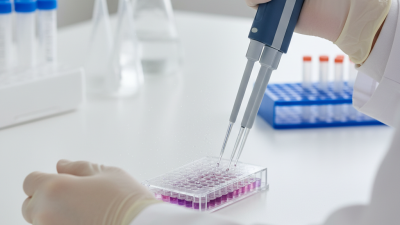
Choosing the right lab pipette can be daunting. With countless options available, understanding your specific needs is vital. Dr. Emily Turner, a renowned expert in laboratory equipment, once stated, “A lab pipette is as critical as the samples you handle.” Her insight underscores the importance of selecting the right pipette for accuracy and efficiency.
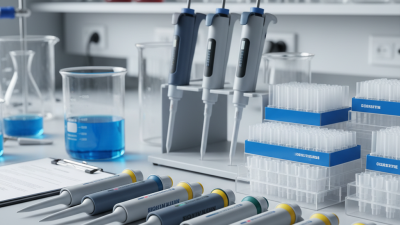
Lab pipettes come in various types: manual, electronic, and multi-channel. Each serves different purposes depending on your work. For example, manual pipettes provide excellent control for small volumes, but they may lead to fatigue over time. On the other hand, electronic pipettes minimize error but can be costly.
Consider your daily tasks and comfort when choosing a lab pipette. You may know that not all devices suit every environment. A misfit can affect precision and outcomes. Reflecting on your lab's specific demands will guide your final choice. Selecting a lab pipette involves balancing precision, comfort, and budget. Always ask questions and seek expert advice.
Understanding the Different Types of Lab Pipettes Available in 2026
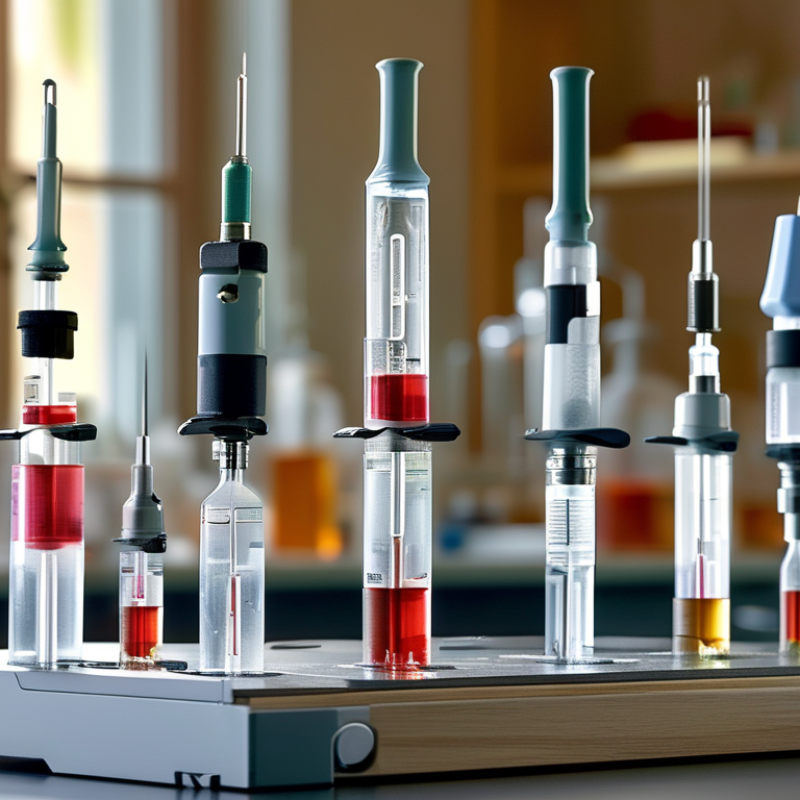
In 2026, lab pipettes come in various types, each tailored for specific applications. Manual, electronic, and positive displacement pipettes are commonly used in laboratories. According to the recent Industry Research report, manual pipettes constitute about 55% of the market. They are often favored for their simplicity and cost-effectiveness, making them suitable for everyday laboratory tasks. However, while they may seem sufficient for general use, their accuracy can be affected by human factors like technique and fatigue.
Electronic pipettes are gaining popularity. They allow for more precise measurements and reduce the risk of repetitive strain injuries. A study published in the Journal of Laboratory Automation noted that labs using electronic pipettes reported a 30% increase in efficiency. However, they come with a higher price point, which may not suit all budgets. This shift towards electronic models shows a growing preference for tools that enhance accuracy and reduce manual errors.
Positive displacement pipettes serve specialized roles, especially with highly viscous or volatile samples. They offer high precision but require extra training. It's crucial to evaluate your lab's specific needs before investing. Reflecting on your current practices can help identify potential improvements. Choosing the right pipette is not just about brand; it's about understanding your workflow and the nature of your samples.
Key Factors to Consider When Selecting a Lab Pipette for Your Work
When selecting a lab pipette, several critical factors come into play. The most crucial is the volume range it can handle. Different tasks require different volumes. Researching your specific application can help determine the ideal range. A pipette that’s versatile often leads to better outcomes. Weight and comfort should also be considered. A pipette that feels heavy can become tiring after prolonged use. Look for ergonomic designs that ensure a comfortable grip.
Calibration and accuracy are vital components. A pipette that isn’t calibrated correctly can yield misleading results. Regular calibration checks ensure that the device remains reliable. It’s wise to assess the accuracy specification provided by the manufacturer. The type of pipette—whether manual or electronic—also matters. Manual pipettes require a steady hand, while electronic ones offer more precision. Choose based on your comfort level and the complexity of tasks.
Finally, consider the materials used in pipette construction. High-quality materials resist chemicals and wear. This factor significantly affects the lifespan of the pipette. Think about how often you will use it. More frequent use may require a sturdier option. Taking the time to reflect on these elements can lead to a more effective selection, ultimately enhancing your lab work.
Evaluating Pipette Accuracy and Precision: Why It Matters
When evaluating lab pipettes, accuracy and precision are key factors. Accuracy refers to how close a measurement is to the true value, whereas precision measures the consistency of repeated measurements. In a 2022 report by the American Society for Testing and Materials (ASTM), it was highlighted that a 1% difference in pipette accuracy can significantly affect experimental results, especially in quantitative analysis. This illustrates the importance of selecting a pipette that meets your specific needs.
To ensure reliable results, consider the calibration and maintenance of your pipette. According to a study published in the Journal of Pipetting Technology, regular calibration can improve measurement accuracy by up to 5%. However, many laboratories neglect this essential practice. Acknowledging that even high-quality pipettes can drift from their calibrated settings over time is crucial.
When choosing a pipette, reflect on your typical volume ranges and the types of liquids you work with. New users may overlook the importance of tip selection, which directly impacts precision. A compatible tip can enhance flow rate and reduce error. Regularly assessing the performance of your pipette against established benchmarks is also advisable, as this can reveal inconsistencies that may arise from either wear and tear or operator technique.
The Role of Ergonomics in Pipette Selection for Laboratory Professionals
When selecting a lab pipette, ergonomics plays a crucial role. Laboratory professionals often spend hours performing repetitive motions. A well-designed pipette reduces strain on the wrist and hand. Comfort should be a priority alongside precision. Heavier pipettes can lead to fatigue, making tasks cumbersome. Choosing a lightweight option can enhance productivity.
Adjustable features are significant too. Pipettes with ergonomic grips allow users to hold them comfortably for extended periods. The angle of the pipette also impacts wrist positioning. An optimal angle minimizes discomfort. Professionals should consider their hand size and grip style when selecting a model. Customization can lead to a better fit, enhancing overall accuracy and efficiency.
Not all pipettes accommodate every user perfectly. It's essential to test different models before making a decision. Take time to understand what feels right in your hand. Experience with various options can inform your choice. Remember that what works for one person might not suit another. Prioritize your comfort and functionality to create a more efficient lab environment.
2026 Lab Pipette Selection: Ergonomics and Features Comparison
This chart illustrates the importance rating of various ergonomic features in lab pipette selection for laboratory professionals. A higher rating indicates a greater need for that feature in ensuring comfort and efficiency during pipetting tasks.
Current Trends and Innovations in Lab Pipette Technology for 2026
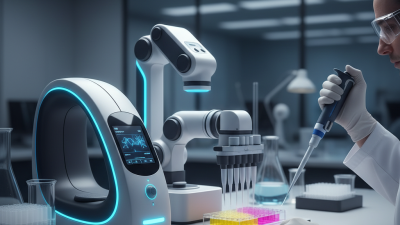
In 2026, lab pipette technology is evolving rapidly. Many researchers focus on accuracy and ergonomics. Automated pipettes are gaining traction. They reduce human error and enhance reproducibility. This trend reflects a growing need for precision in laboratory environments. Features like touch-sensitive tips and customizable settings are becoming standard. These innovations help scientists to streamline their workflows.
Another significant trend is the increasing emphasis on sustainability. Many manufacturers aim to reduce plastic waste. Reusable and recyclable pipette tips are being introduced. Users appreciate the reduction of environmental impact. However, some may find these options less convenient than traditional methods. Balancing convenience and sustainability is essential for labs to consider.
Furthermore, advancements in digital technology integrate pipettes with data management systems. This integration allows for real-time tracking of samples. Researchers can access data directly, enhancing transparency in experiments. However, reliance on technology raises questions about cybersecurity and data integrity. Labs must evaluate these trade-offs carefully. It's important to reflect on how much technology truly benefits the research process.