Top 5 Plumbing Leak Detection Methods You Should Know?
Plumbing Leak Detection is a critical aspect of home maintenance. Undetected leaks can lead to significant damage, escalated repair costs, and health hazards. Awareness of effective detection methods empowers homeowners.
Many people overlook minor leaks, assuming they are not a concern. However, even small leaks can cause major problems over time. Utilizing specialized tools and techniques ensures that leaks are identified early.
In this article, you will discover the top five methods for plumbing leak detection. Each method has its strengths and weaknesses. Understanding these can help you choose the best strategy for your home. With the right approach, you can save money and protect your property.
Understanding the Importance of Plumbing Leak Detection
Plumbing leaks can quietly damage your home while increasing your water bill. Understanding leak detection is crucial for maintaining your property. Early detection saves money and prevents structural damage. Water can seep into walls, floors, and foundations, causing extensive problems over time. Knowing how to identify leaks ensures a safe environment.
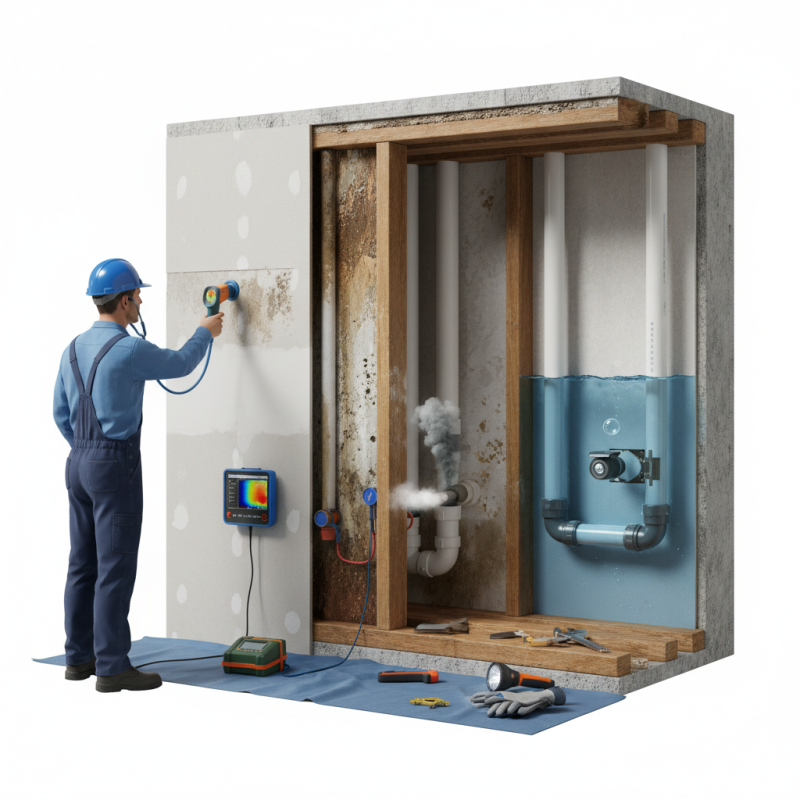
There are various methods for detecting leaks. Visual inspections can reveal obvious signs, like water stains and damp spots. Listening for sounds of dripping or rushing water also helps. Sometimes, the smell of mold indicates an underlying issue. Advanced techniques, such as thermal imaging, use heat differences to pinpoint leaks. While these methods are effective, they require professional expertise.
Many homeowners overlook the importance of regular checks. Simple tasks, like monitoring your water usage, can highlight unusual spikes. Neglecting to address minor issues can lead to bigger expenses later. It’s essential to cultivate awareness of your plumbing. Regular maintenance and timely detection can make all the difference in preserving your home.
Top 5 Plumbing Leak Detection Methods
Understanding the effectiveness of various plumbing leak detection methods can help in selecting the best approach for managing plumbing issues. The chart above illustrates the effectiveness ratings of the top five methods, where a higher score indicates greater reliability in detecting leaks.
Common Signs of Plumbing Leaks to Look For
Identifying plumbing leaks can save homeowners a significant amount in water bills and prevent structural damage. Common signs include damp spots on walls or ceilings. These stains often indicate hidden leaks. According to the American Society of Home Inspectors, about 20% of homes will experience a leak each year. Being aware of these signs can lead to early detection.
Another indicator is a sudden spike in your water meter readings. If your usage habits remain consistent, a rising bill may signal a problem. Additionally, mottled or abnormally green patches in your yard can suggest underground leaks. These issues can lead to major repairs if not caught early. Studies show that around 90% of homeowners ignore minor leaks, leading to larger problems down the line.
Unpleasant odors can also hint at plumbing issues. If you smell mildew or mold, a leak is often the culprit. Furthermore, unusual sounds, like dripping or rushing water, should not be overlooked. Listening closely can give clues to leak locations. Lastly, consider checking for wet spots under sinks or appliances. Regular inspections can prevent costly repairs and maintain the integrity of your home.
Overview of Top Leak Detection Methods
Detecting plumbing leaks early can save homeowners a fortune in repairs and water bills. Several reliable methods stand out for their effectiveness. Thermal imaging cameras are a game-changer. They detect temperature differences, revealing hidden leaks behind walls. This method is non-invasive and provides quick results.
Another effective technique is the use of acoustic sensors. These devices listen for the sound of dripping water, pinpointing the location of a leak with high accuracy. It might seem simple, yet it requires skilled operators for best results. Sometimes, the human ear can help, but it's crucial to know how to monitor typical water noises in the home.
Additionally, pressure testing remains a popular option. It involves measuring the water pressure in pipes. A drop in pressure often indicates a hidden leak. This method requires some expertise, as misinterpretation can lead to unnecessary repairs. Using these detection methods minimizes risk but always consult with a plumbing expert for accurate diagnosis. Each method has its merits, but they also require judgment and experience to yield the best outcomes.
Comparison of Traditional and Modern Leak Detection Techniques
Leak detection is vital for maintaining plumbing systems. Traditional methods, such as visual inspections, rely heavily on trained professionals’ skills. These techniques often miss hidden leaks behind walls. According to a study by the American Society of Civil Engineers, nearly 20% of water supply loss in urban areas is due to undetected leaks. This statistic highlights the limitations of basic inspections.
In contrast, modern techniques utilize advanced technology. Acoustic sensors can detect the sound of water escaping pipes even underground. Infrared thermography reveals cold spots indicating possible leaks. Research shows that these methods can identify leaks with up to 95% accuracy. While effective, they require knowledgeable personnel to interpret the data correctly. Relying solely on high-tech solutions can lead to misdiagnoses if not paired with experience.
Combining traditional expertise with modern tools may yield the best results. A balance allows professionals to leverage technology while still applying their knowledge of plumbing systems. This hybrid approach is essential to minimize water loss and repair costs. Both methods pose challenges, as technology can fail or be misinterpreted. Thus, an informed decision is crucial.
Tips for Choosing the Right Leak Detection Method for Your Needs
Choosing the right leak detection method can save time and money. Consider your specific needs first. Are you dealing with visible water marks? Or do you have a hidden leak? Understanding your situation helps narrow down your options.
Different methods suit different scenarios. Acoustic sensors are excellent for detecting leaks in pipes within walls. Thermal imaging can locate leaks in slab foundations. If you’re unsure, a professional can help assess your situation. They can guide you in selecting the best method.
Consider the cost and effectiveness of each option. Some methods may require specialized equipment or expertise. It's important to think about long-term value. Rushed choices can lead to more problems later. Always seek an informed perspective to avoid costly mistakes.