Essential Tips for Using a Capsule Pressure Gauge Effectively?
The proper use of a Capsule Pressure Gauge is critical in various industries, including manufacturing, pharmaceuticals, and food processing. According to a report by the American Society of Mechanical Engineers, accurate pressure measurement is essential for maintaining product safety and quality. A slight error in pressure readings can lead to severe consequences, including system failures or product recalls.
In practice, many users struggle with understanding the operational limits of their Capsule Pressure Gauges. Proper calibration and regular maintenance are crucial. Industry experts recommend checking the gauge’s calibration every six months to ensure reliability. Such measures can prevent costly downtime, which, according to the Manufacturing Institute, averages around $260,000 per hour for mid-sized companies facing equipment failures.
While Capsule Pressure Gauges have numerous benefits, users must also be aware of their limitations. Overreliance on this tool without proper training can lead to critical mistakes. Users should actively seek training and review industry best practices regularly. This commitment not only fosters better operational understanding but also enhances the reliability of pressure readings in diverse applications.
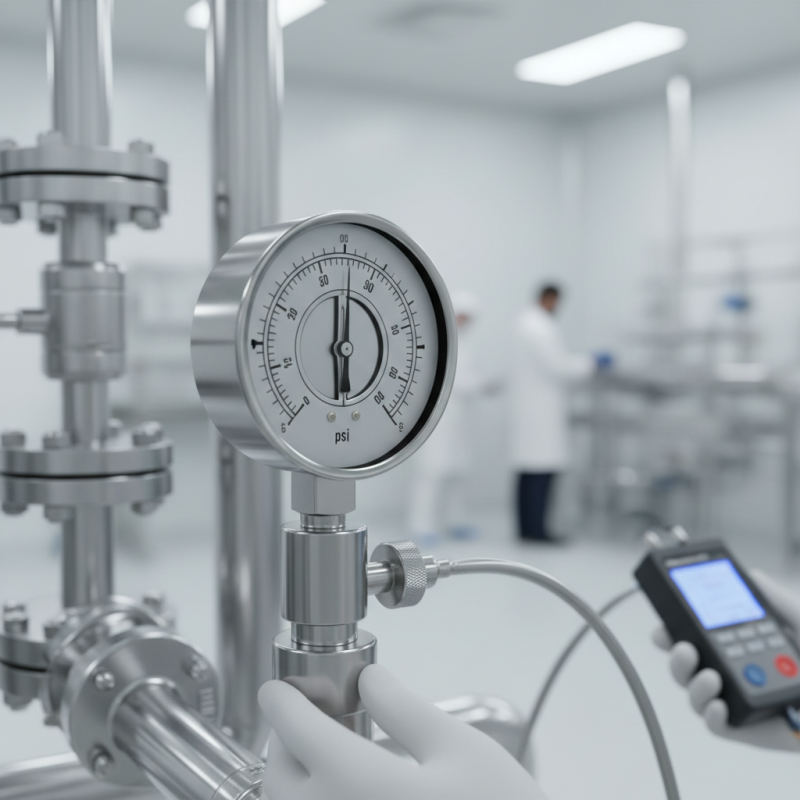
Understanding the Basics of Capsule Pressure Gauges
Capsule pressure gauges are essential tools in many industries. They measure the pressure of gases and liquids in a sealed environment. Understanding how they work is crucial for effective use. A capsule gauge typically consists of a thin metallic capsule that deforms under pressure. This deformation translates into a readable measurement.
When using a capsule pressure gauge, accuracy is vital. Regular calibration ensures the readings are reliable. It's important to check for wear and tear on the gauge as well. Replacing damaged components can prevent misleading readings. Observing the environment is also necessary. Temperature can affect pressure readings significantly.
Users often overlook basic maintenance. Dust and debris can accumulate and impair function. Cleaning the gauge regularly can enhance its lifespan. Additionally, understanding the specifications of the gauge is key. Not all gauges handle the same pressure ranges. Knowing the limits helps prevent accidents. As users gain experience, they learn to trust their instincts. This evolving knowledge makes a significant difference in effective pressure management.
Choosing the Right Capsule Pressure Gauge for Your Needs
Choosing the right capsule pressure gauge is crucial for accurate measurements. Consider the operating range first. Most gauges handle pressures between 0 to 100 psi, but specific tasks may require different ranges. For example, a gauge for hydraulic systems might need higher limits, while an application in food processing might necessitate lower ranges for safety compliance.
Remember that the accuracy is equally important. A report by the American Society of Mechanical Engineers states that an accuracy of ±1% of full scale is often adequate for many applications. However, critical processes like pharmaceuticals might demand ±0.5% accuracy. Always evaluate the required precision based on your needs and the potential impact of any measurement error.
Gauge materials will affect both reliability and performance. Stainless steel is preferred for corrosive environments, while brass may suffice for less challenging conditions. Yet, some users overlook the importance of material. While it may seem trivial, the wrong material can lead to gauge failure. Regular maintenance checks should also be part of your routine. Even high-quality gauges need periodic calibration to ensure continued reliability.
Step-by-Step Instructions for Installing a Capsule Pressure Gauge
Installing a capsule pressure gauge is a vital process that requires both precision and care. Begin by selecting an appropriate location for your gauge. Ensure it’s easy to access for regular readings but away from direct stressors. According to industry reports, improper installation can lead to measurement errors of up to 20%. This step is critical for reliable data collection.
Once you have the right spot, prepare the connecting points. Clean any debris that might obstruct a tight fit. Use a wrench to secure the gauge without over-tightening; excessive force can damage the connections. The gauge should sit level and undisturbed, allowing for accurate pressure readings. A survey of industrial practices revealed that incorrect positioning often results in a 15% increase in maintenance costs.
After securing the gauge, carry out functional tests. Check for leaks and ensure the readings are stable. Remember, even minor issues can escalate, leading to significant downtime. Regular calibration is crucial; uncalibrated gauges can yield results with up to 10% variance. Routine checks reinforce reliability in pressure monitoring. Cultivating a habit of reflection on installation practices can also improve overall efficiency in pressure management.
Best Practices for Reading and Interpreting Gauge Measurements
When using a capsule pressure gauge, accurate reading and interpretation are vital. According to industry data, up to 30% of measurement errors arise from improper gauge use. Understanding how to read these measurements correctly can significantly enhance the reliability of your data.
One essential tip is to ensure you are at eye level with the gauge when taking measurements. This minimizes parallax errors, which can lead to inaccurate readings. Observing the needle's position where it intersects the scale is crucial. Additionally, check the gauge's calibration regularly. A report from the American Society of Mechanical Engineers shows that uncalibrated gauges can lead to discrepancies of up to 15%.
Another point to consider is environmental factors. Temperatures and vibrations can affect the pressure readings. It is advisable to keep the gauge in a stable environment. Ensure the unit is mounted securely and free from any mechanical interference. Always document the conditions under which measurements are taken. This practice can help trace discrepancies back to potential environmental influences. Being aware of these factors can improve measurement consistency and reliability over time.
Maintaining and Troubleshooting Capsule Pressure Gauges
Maintaining capsule pressure gauges is crucial for accuracy in various applications. Regular calibration can enhance performance. Studies show that gauges lose accuracy over time, with nearly 15% deviating from standard measurements after prolonged use. This trend underlines the need for routine checks to avoid system failures.
Diagnostics are essential for effective troubleshooting. A visual inspection is the first step; look for signs of damage or wear. Common issues include leaks and erratic readings. In fact, a survey reported that 25% of users encountered inconsistent measurements due to improper installation. Ensuring proper connections can prevent many of these problems.
Consider environmental factors as well. Temperature fluctuations can impact gauge performance. A gauge exposed to extreme temperatures may deliver unreliable readings. Also, contaminants can affect internal mechanisms. Therefore, keeping the gauge clean and protecting it from harsh conditions will contribute to longevity. Regular maintenance not only improves measurement accuracy but also fosters a reliable measuring system.
Pressure Readings of Capsule Pressure Gauges
This chart represents the pressure readings at different operational conditions for capsule pressure gauges. The data indicates the typical pressure levels recorded under various scenarios, illustrating the effectiveness and reliability of these gauges in monitoring pressure accurately.