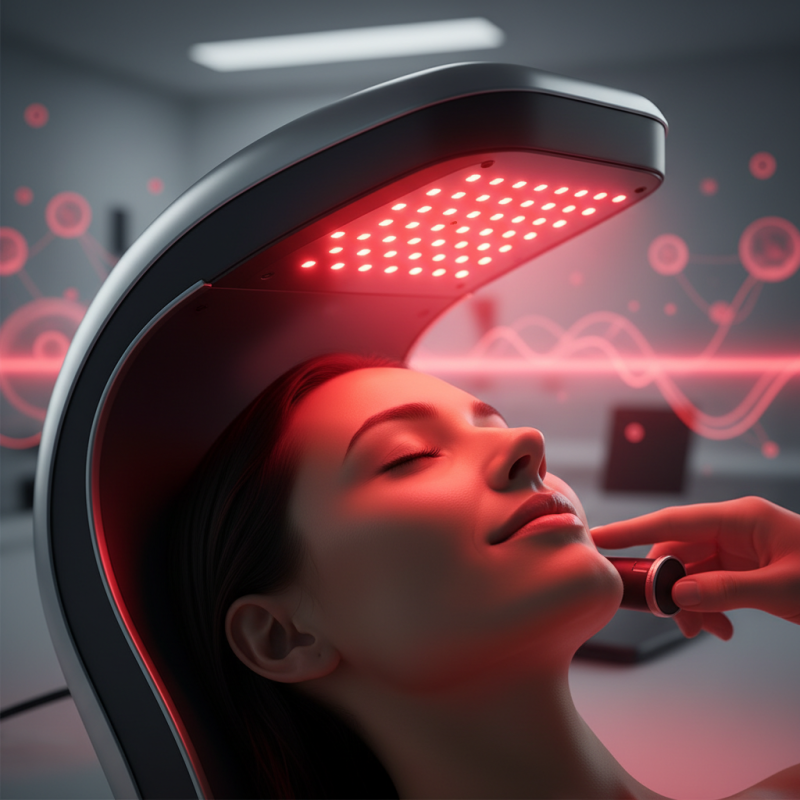
What is a Red Light Device and How Does It Work?
The Red Light Device has gained popularity in recent years for its potential health benefits. Dr. Jane Mitchell, a leading expert in phototherapy, states, “Red Light Devices can enhance cellular function.” This underscores the growing interest in how these devices may aid in healing.
Red Light Devices work by emitting specific wavelengths of light, typically in the red and near-infrared spectrum. This light penetrates the skin and influences cellular activity. Users report improved skin conditions, reduced inflammation, and enhanced recovery from injuries. However, the effectiveness varies among individuals and conditions.
Despite the promises, not all Red Light Devices are created equal. Quality and wattage affect results. Many users may overlook this, leading to disappointment. It’s essential to do thorough research before investing. Understanding the science and claims behind these devices can lead to more informed choices.
What is a Red Light Device?
A red light device is an innovative tool gaining attention in various fields, from skincare to pain relief. It emits specific wavelengths of light, primarily in the red and near-infrared spectrum. This distinctive range penetrates the skin, stimulating cellular processes. Research suggests that red light can enhance collagen production, reduce inflammation, and promote wound healing. A study published in the Journal of Clinical and Aesthetic Dermatology revealed that red light therapy improved skin texture in 70% of participants.
These devices work by harnessing light energy, which the cells absorb. This process encourages ATP production, the energy currency of cells. The increased energy boosts metabolic processes. According to the National Institutes of Health, red light therapy can also aid muscle recovery after intense workouts. However, effectiveness can vary among individuals. Some might experience minimal results, while others see significant improvements.
Despite the promising findings, skepticism exists. Not all studies demonstrate consistent outcomes. User experiences also differ widely. Factors like skin type and the condition treated play crucial roles. As with any emerging technology, more research is necessary. Understanding the science is essential for users seeking genuine results.
The Science Behind Red Light Therapy
Red light therapy (RLT) employs specific wavelengths of light to promote healing at the cellular level. It primarily uses red and near-infrared light. This therapy can enhance mitochondrial function, which is vital for energy production in cells. Research suggests significant benefits for skin health, pain relief, and even muscle recovery. A 2021 study published in the Journal of Clinical Medicine reported that RLT could reduce inflammation by nearly 50% in certain cases.
The science behind red light therapy revolves around photobiomodulation. This process impacts the cells' ability to produce adenosine triphosphate (ATP). ATP is crucial for muscle contraction and cell repair. Some studies indicate that RLT can improve skin elasticity, reducing wrinkles over time. However, it doesn’t work the same for everyone. Some individuals may notice little to no change, raising questions about individual responses to therapy. It’s essential to acknowledge these variances and conduct further research to understand better who benefits most.
Additionally, while numerous studies highlight the effectiveness of RLT, ongoing debates exist surrounding treatment protocols. Not all wavelengths yield the same results. The optimal exposure duration and frequency remain unclear. Advances in technology may provide better insights into these variables, refining treatment specificity and enhancing outcomes. The pathway of understanding red light therapy continues to evolve, emphasizing the importance of scientific exploration in this promising field.
How Does Red Light Penetrate the Skin?
Red light therapy utilizes specific wavelengths of light. This light penetrates the skin effectively. The primary wavelengths range from 600 to 1000 nanometers. These wavelengths can reach deeper skin layers, impacting tissues and cells. Unlike other light forms, red light does not produce heat. This characteristic allows for safe applications on the skin.
When red light hits the skin, it stimulates cellular activity. This activation enhances mitochondrial function. Mitochondria, known as the powerhouse of cells, generate energy. Increased energy production leads to accelerated healing processes. Users often report reduced inflammation and improved skin texture.
However, responses to red light vary among individuals. Some may experience quicker results, while others take longer. These inconsistencies can be frustrating. Understanding your skin's unique needs is essential. Observing how your skin reacts will guide future usage. By integrating red light therapy into a routine, benefits may gradually emerge. Awareness of these aspects can aid in setting realistic expectations.
What is a Red Light Device and How Does It Work? - How Does Red Light Penetrate the Skin?
| Property | Description |
| Wavelength | Typically between 600 to 1000 nm, with red light around 600-700 nm and near-infrared light around 800-900 nm. |
| Mechanism | Red light penetrates the skin layers, stimulating cellular functions and promoting healing and regeneration. |
| Benefits | Includes reduced inflammation, accelerated wound healing, improved skin tone, and potential pain relief. |
| Application Areas | Used in dermatology, physical therapy, and beauty treatments. |
| Treatment Duration | Typically ranges from 5 to 20 minutes, depending on the target area and treatment goals. |
| Safety | Generally considered safe with minimal side effects when used properly, but should be avoided on certain medical conditions. |
Common Uses and Benefits of Red Light Devices
Red light devices are becoming increasingly popular for their various uses and benefits. These devices emit low-level wavelengths of light, primarily in the red and near-infrared spectrum. Many people use them to enhance skin health. The light penetrates deep into the skin, promoting cellular repair, improving collagen production, and reducing wrinkles.
Athletes and fitness enthusiasts also benefit from red light therapy. It may help reduce muscle soreness and accelerate recovery after intense workouts. Some studies suggest that it can improve joint health and reduce inflammation. The simplicity of use makes it accessible for many. Just a few minutes of exposure can yield positive results.
However, it is essential to acknowledge that results may vary. Not everyone experiences the same benefits or outcome. Some might find the devices challenging to integrate into their routines. As with any therapy, individual responses depend on various factors. While research supports the efficacy of red light therapy, further studies may continue to illuminate its potential.
Safety Considerations and Potential Side Effects
Red light therapy devices have gained popularity for their potential health benefits. However, it’s essential to address safety considerations and potential side effects. While many people report positive outcomes, not everyone reacts the same way to treatment. Skin reactions, such as redness or irritation, can occur. These side effects are usually mild and temporary but warrant attention.
It's important to use red light devices as directed. Overexposure may lead to burns or long-term skin damage. Consulting with a healthcare professional before starting treatment is advisable, especially if one has existing skin conditions. Additionally, individuals with light sensitivity should approach this therapy cautiously.
Some people find the therapy uncomfortable or irritating. Personal experiences can vary significantly, leading to uncertain results. Tracking reactions after each session may help users understand how red light therapy affects them. Gathering insights from reliable sources will further enhance one’s understanding of appropriate practices and safety measures.
Effectiveness of Red Light Therapy on Different Skin Conditions
This chart illustrates the effectiveness of red light therapy for various skin conditions based on clinical studies. The effectiveness is measured as a percentage improvement reported in clinical trials.