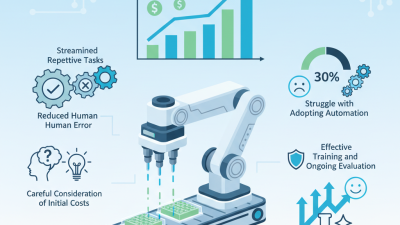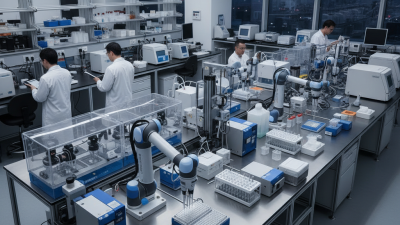
Liquid handling is a critical component of laboratory operations. According to recent industry reports, accurate liquid handling can improve lab efficiency by up to 30%. This statistic highlights the importance of mastering these techniques. Precision in liquid handling reduces errors and increases reproducibility. It can save time and resources, allowing labs to focus on more complex tasks.
Many labs struggle with inconsistent techniques, leading to variable results. In a survey by the National Lab Efficiency Association, nearly 40% of researchers reported issues with liquid handling. These inconsistencies can stem from untrained personnel or inadequate equipment. Addressing these challenges requires time and effort, but the benefits are clear.
Enhancing liquid handling skills is essential for modern laboratories. Improved techniques can lead to better data quality and more reliable outcomes. However, the focus should not only be on efficiency. Reflection on current practices is necessary to identify areas for improvement. In an ever-evolving field, staying informed and adaptable is crucial.

Liquid handling is a critical aspect of laboratory practices. Accurate liquid management influences experimental results significantly. Studies show that up to 70% of laboratory errors stem from improper liquid handling. These errors can affect data integrity and lead to costly repetitions. Precision has never been more vital.
Laboratories often overlook the need for proper training in liquid handling techniques. Professionals may rely on outdated methods, resulting in inefficiencies. For instance, a report from the American Laboratory reported that inadequate training could double the time required for sample preparation. This wasted time can lead to delays in project timelines, impacting productivity.
Moreover, liquid handling tools and equipment must be suitable for specific tasks. Not all pipettes or dispensers are created equal. A mismatch can result in inconsistent sample volumes. Errors can also arise from poor technique or fatigue after long hours. Striking a balance between efficiency and accuracy in liquid handling is an ongoing challenge, necessitating consistent review and adaptation of practices.
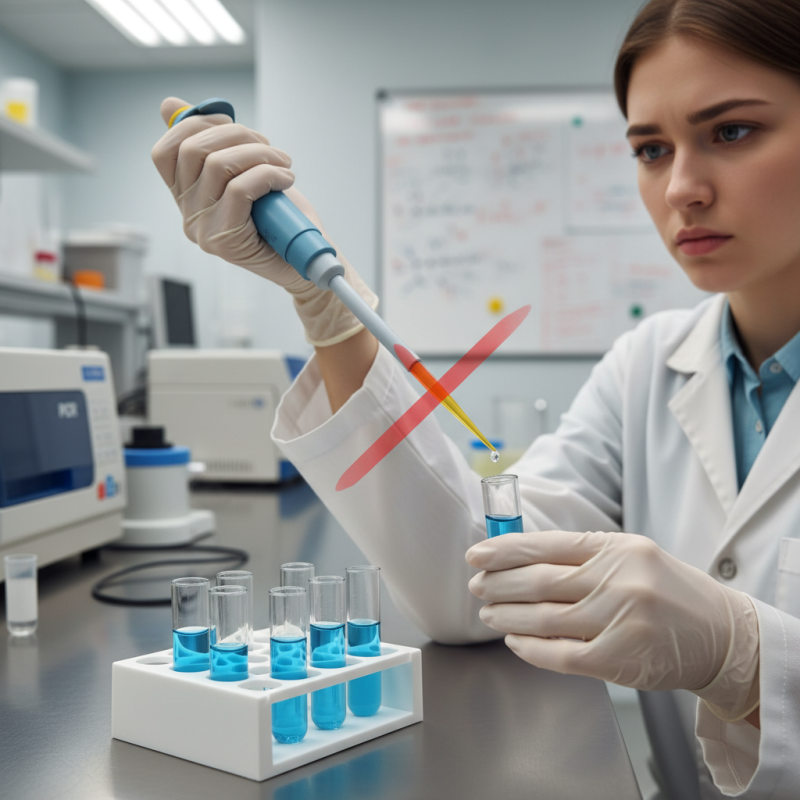
Efficient liquid handling is crucial in laboratories. The right tools and equipment can make a significant difference. Pipettes are fundamental. They come in various sizes and styles. It’s essential to choose the right pipette for your specific task. One common mistake is using the same pipette for different volumes. This can lead to inaccuracies.
Another vital tool is the microcentrifuge. It allows for quick sample processing. A well-calibrated centrifuge ensures that your samples are properly separated. However, users often overlook regular maintenance. Neglecting this can affect performance over time. Remember also the importance of disposable tips. They minimize cross-contamination but can be costly if used excessively.
Proper storage of these tools is equally important. Cluttered workspaces can lead to accidents and inefficiencies. Transparency in tool availability is key. Marking locations for equipment can save time. Consider involving the team in discussions about equipment needs. This can highlight gaps or redundancies in your setup, leading to improved workflows.
Accurate liquid measurement is crucial in any laboratory setting. One common mistake is failing to calibrate pipettes regularly. This can lead to inconsistent results. It’s essential to check calibration often, as even minor discrepancies can affect experiments. Many labs overlook this. Don’t let it be your oversight.
Using proper techniques can dramatically enhance accuracy. Holding a pipette vertically ensures that liquid is drawn correctly. Additionally, using the correct tip size matters. Improper tips can introduce errors. Keep an eye on wear and tear. Worn tips can lead to leaks and flawed measurements.
Consider the temperature of liquids as well. Warm liquids can expand, causing inaccuracies. Always allow liquids to reach room temperature before measurement. It’s also important to practice patience. Rushing through measurements may lead to substantial errors. Training and experience can help refine these skills. Each small step contributes to overall lab efficiency.
Mastering liquid handling techniques is essential for lab efficiency, but common mistakes can undermine your efforts. One frequent error is improper pipetting. When not held vertically, the liquid can be inaccurately dispensed. This leads to variations in experiment results. Practice holding the pipette upright to ensure precision.
Another mistake involves not pre-wetting pipette tips. Skipping this step can cause air bubbles. These bubbles disrupt the liquid flow and create inconsistencies. Always pre-wet tips to enhance accuracy. A subtle detail often overlooked is the choice of container. Using shallow containers for viscous liquids can result in inadequate sampling. Choose appropriate containers for your liquids.
Contamination is a serious concern too. Failing to change gloves between samples can introduce errors. Using different tips or instruments for each sample reduces this risk. A common oversight is rushing through the process. Take your time. Accurate liquid handling enhances reliability in your results. Reflecting on these mistakes can lead to significant improvements in lab practices.
Mastering liquid handling techniques is crucial for efficiency in any laboratory setting. Training and resources play a vital role in developing these skills. Utilizing online courses can provide a solid foundation. Workshops also offer hands-on experience with pipettes and other equipment. Learning from experts can help you avoid common pitfalls.
Here are some tips to enhance your liquid handling skills. First, practice regularly. Repetition helps build muscle memory. Pay attention to your grip on pipettes. It should feel comfortable yet firm. Take your time to avoid spills. Mistakes often happen when you're rushed.
Seek feedback from peers. They may spot errors you overlook. Record your techniques and results. This self-reflection can reveal areas for improvement. Consider joining a community or forum. Sharing experiences can provide new insights. Embrace the learning journey, even when it feels challenging.