Why is a Liquid Handling System Essential for Precise Laboratory Work?
In the realm of laboratory research, precision is paramount. A liquid handling system plays a crucial role in ensuring accurate measurements and consistent results. According to a report by MarketsandMarkets, the liquid handling market is projected to reach $4.5 billion by 2026. This growth underscores the increasing importance of automated liquid handling in diverse fields such as pharmaceuticals and clinical diagnostics.
Dr. Emily L. Carter, an industry expert and researcher, emphasizes the impact of a liquid handling system on laboratory efficiency. She stated, "Accurate liquid handling minimizes errors and enhances reproducibility, which are essential for successful experiments." Despite the advancements in technology, some laboratories still rely on manual methods, leading to variability in results. This gap highlights the necessity for modernization in laboratory processes.
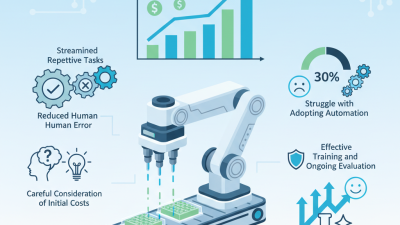
Implementing a sophisticated liquid handling system can reduce human error significantly. Yet, challenges remain, such as the initial investment costs and the need for staff training. Laboratories must reflect on how to integrate these systems effectively to optimize their operations. The future of research depends on embracing precision in liquid handling.
Importance of Accurate Liquid Handling in Laboratory Settings
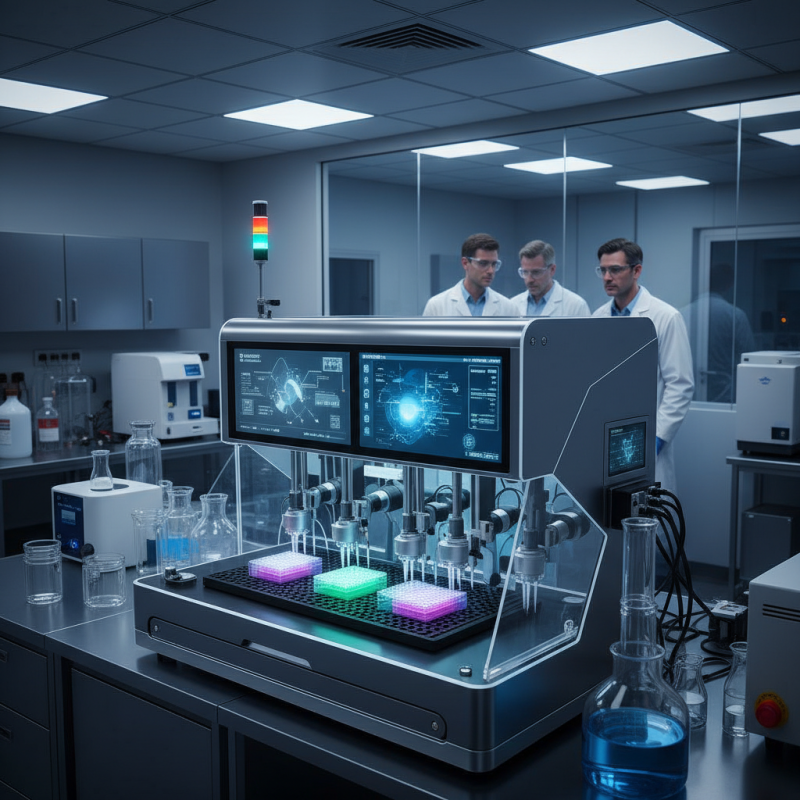
Accurate liquid handling is crucial in laboratory settings. It directly impacts the reliability of experimental results. Mistakes in liquid transfer can lead to false data. Even small deviations can cause significant errors in research outcomes. Precision in handling liquids ensures that experiments reflect true biological and chemical phenomena. This is particularly vital in applications like drug development and diagnostics.
In practice, achieving accurate liquid handling isn't always straightforward. Human error can creep in, especially under pressure. For instance, forgetting to calibrate equipment can lead to inconsistent results. Lab technicians must pay close attention to detail. Each pipette stroke matters; a drop too much or too little can change everything. Regular training is necessary to keep skills sharp.
Additionally, the environment plays a role in liquid handling. Variations in temperature or humidity can affect liquids' behavior. Using a liquid handling system can mitigate these issues. Automated systems help maintain consistency, reducing the likelihood of human error. However, reliance on technology also requires careful monitoring and routine checks. Balancing automation with traditional methods can enhance precision.
Factors Affecting Liquid Handling Precision
Liquid handling precision is influenced by several factors, impacting laboratory results. One major factor is the liquid's viscosity. Higher viscosity can lead to slower dispensing rates, which may cause inconsistencies. A study showed that approximately 25% of lab errors stem from improper handling of viscous solutions.
Temperature also plays an important role. Fluctuations in temperature can alter liquid behavior, affecting measurements. For instance, at room temperature, water has a different density than at refrigerated conditions. This variability can introduce up to 10% error in volumetric measurements. Laboratory personnel must maintain a controlled environment to mitigate these issues.
Moreover, user technique greatly affects precision. It’s been reported that around 80% of liquid handling issues are user-related. Errors may arise from incorrect pipetting angles or inconsistent withdrawal speeds. Even small deviations can lead to significant impacts on experimental outcomes. Continuous training and practice are essential to improve skill and reduce variability in results.
Key Components of a Liquid Handling System
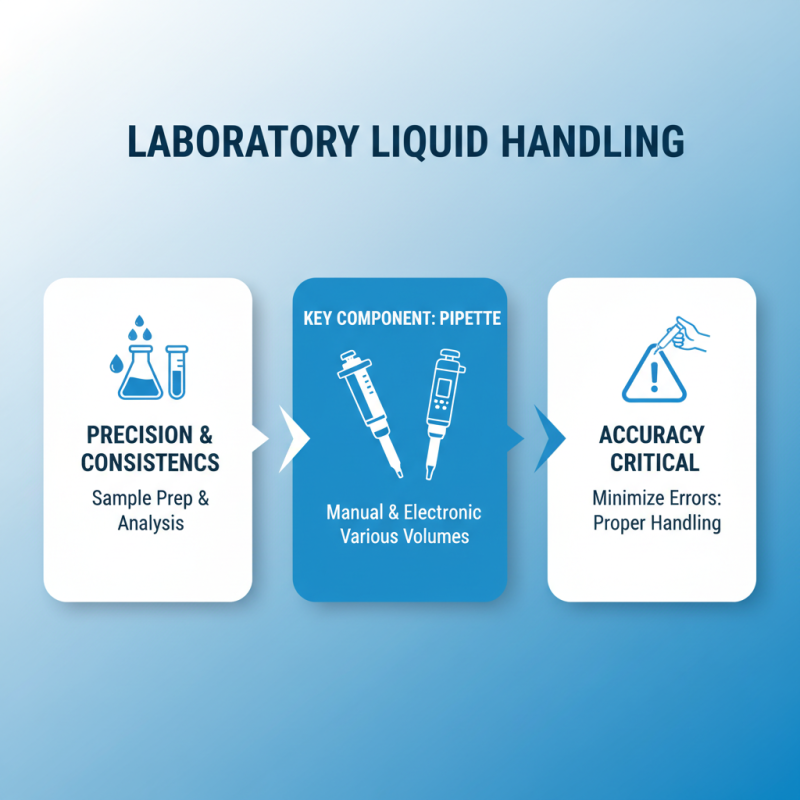
A liquid handling system is vital for precise laboratory work. It ensures accuracy and consistency in sample preparation and analysis. One key component is the pipette. Pipettes come in various volumes and types, allowing for flexibility in measurements. They can be manual or electronic. Each has its own advantages, but errors can occur with improper handling.
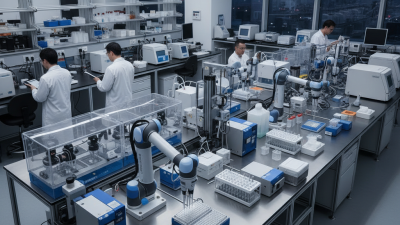
Another essential part is the liquid handling robot. These devices enhance throughput and reduce human error. They automate repetitive tasks, freeing up researchers for other activities. However, even the most advanced robots require proper programming and calibration. Mistakes in setup can lead to significant discrepancies.
Finally, consumables such as tips and plates are crucial. High-quality tips minimize contamination and improve reliability. It’s easy to overlook these components, yet they influence results profoundly. Sometimes, small details can create big problems. This reminds us to reflect on our processes and strive for continuous improvement.
Benefits of Automated Liquid Handling Solutions
Automated liquid handling solutions offer numerous benefits for laboratory work. These systems enhance accuracy and repeatability. Precision is crucial for experiments and assays. Small errors can lead to significant consequences. Automatic systems minimize human error by standardizing processes. This leads to improved data quality.
Using a liquid handling system saves time. Manual pipetting requires attention and skill. Automation allows scientists to focus on complex tasks. This shift can enhance overall productivity. With the right setup, multi-channel systems can process multiple samples at once. This efficiency is vital in high-throughput environments.
Tips: Always validate your automated protocols. Test them with known samples. Adjust settings as needed to prevent mistakes. Also, regular maintenance is key. A neglected system might yield inconsistent results. Even the most advanced solutions require human oversight. Regularly review data and processes to ensure ongoing accuracy.
Common Applications of Liquid Handling Systems in Laboratories
Liquid handling systems are crucial in various laboratory applications. These systems significantly enhance accuracy and efficiency in tasks like sample preparation, reagent dispensing, and dilutions. For instance, many laboratories rely on these systems for biochemical assays and cell culture. According to a report by Market Research Future, the global liquid handling technology market is expected to reach over $5 billion by 2025. This growth underscores the importance of these systems in scientific research.
In the field of pharmaceutical development, precision is key. Liquid handling systems minimize human error during the drug formulation process. Even a small deviation in liquid measurements can lead to failures in clinical trials. Furthermore, automated systems can automate repetitive tasks in high-throughput screening, reducing labor costs and increasing throughput. However, challenges remain. Some users have reported calibration difficulties, leading to questionable accuracy over time. The risk of carryover contamination continues to be a concern, and regular maintenance is often overlooked.
Clinical laboratories also utilize these systems for sample dilution and testing in diagnostics. Ensuring consistency in assays is vital. While these automated methods offer many benefits, an over-reliance on technology might lead to a lack of hands-on skills among laboratory technicians. Training is essential, as proper operation impacts the results directly. Balancing automation with human oversight is a key consideration in maximizing the benefits of liquid handling systems.