What is a Lab Pipette and How Does It Work?
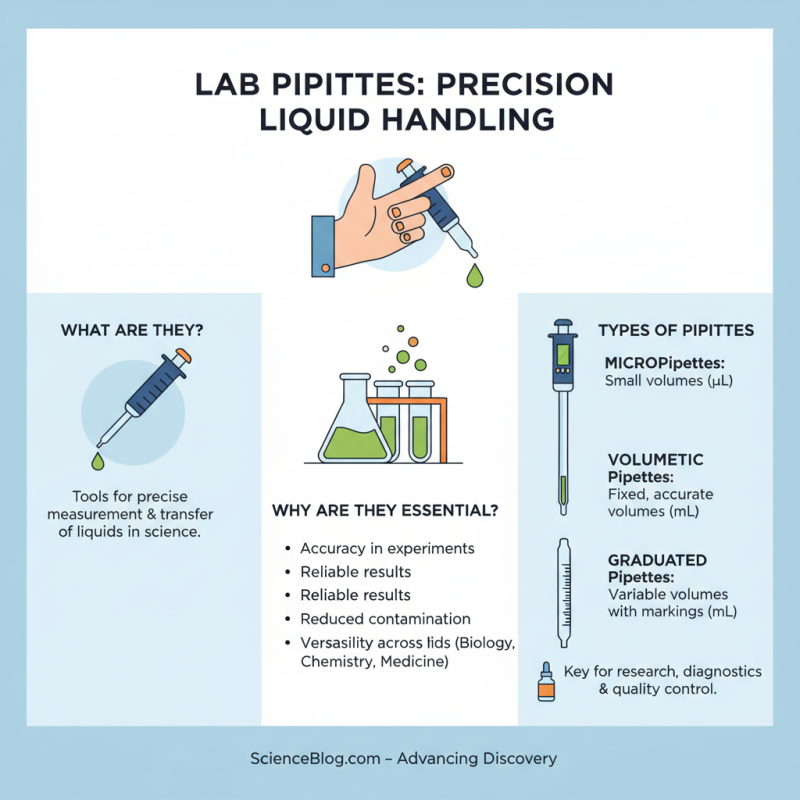
A lab pipette is a crucial tool in scientific laboratories. It allows for the precise transfer of liquids, which is essential for various experiments. These instruments come in many types, each serving a unique purpose. Understanding how a lab pipette functions can enhance experimental accuracy.
In practical terms, a lab pipette often uses suction to draw up liquids. Users may encounter challenges when measuring small volumes. Improper technique can lead to errors in results. Attention to detail is vital when using a lab pipette, as slight inaccuracies can alter outcomes.
The design of a lab pipette varies, from simple manual types to advanced electronic versions. Each type has its benefits and limitations. It’s essential to choose the right pipette for specific tasks. This decision often requires thoughtful consideration and practice.
What is a Lab Pipette?
A lab pipette is a precision instrument used for measuring and transferring liquids in scientific research. It's essential in fields such as chemistry and biology. According to a report by Grand View Research, the global pipette market is projected to reach USD 2.8 billion by 2027. This growth highlights the critical role pipettes play in laboratory settings.
Pipettes can vary in design, including manual and electronic versions. Manual pipettes rely on the user’s skill. They can introduce errors if not handled correctly. Inaccurate measurements can lead to flawed results. A study from the American Society for Microbiology indicates that improper pipetting techniques can result in a 10-15% variation in liquid transfer. This data underscores the importance of proper training in pipetting techniques.
Furthermore, maintaining pipettes is crucial but often overlooked. Regular calibration ensures accuracy and reliability. However, many labs neglect this process, leading to potential errors. The frequency of pipette maintenance is often insufficient, which can compromise experimental results. Yet, the significance of such details is sometimes downplayed in busy labs. The take-home message is clear: even small mistakes in pipetting can have significant impacts on research outcomes.
How Does a Lab Pipette Function?
A lab pipette is an essential tool in scientific labs. It allows for the accurate measurement and transfer of liquids. Understanding how a lab pipette functions is important for reliable experiments.
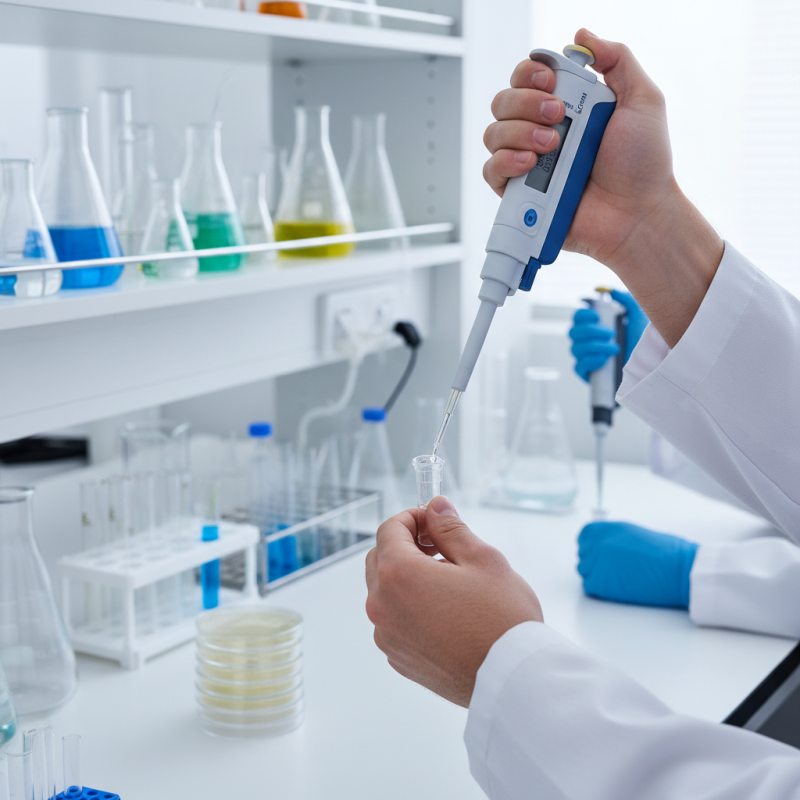
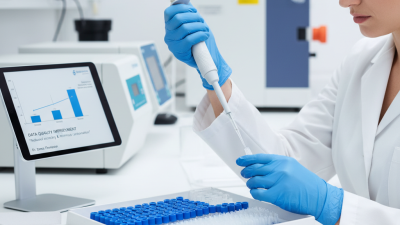
A pipette works by creating a vacuum to draw liquid into its chamber. When the top is pressed down, air is expelled. Releasing the top creates suction, pulling the liquid up through the nozzle. To dispense the liquid, pressing the top again releases the vacuum. Control is vital during this process.
Tips for using a pipette effectively:
- Always hold it vertically for accuracy.
- Avoid touching the tip to surfaces; this can lead to contamination.
- Practice your technique to prevent spills, which can skew results.
- It's important to regularly check your pipette for calibration.
A miscalibrated pipette can cause errors in measurements, leading to inconsistent data. Reflect on your pipetting technique. Are you controlling the pressure well?
It’s crucial for reliable outcomes in your experiments.
Best Practices for Using a Lab Pipette
Using a lab pipette requires precision and care. Selecting the right pipette is essential. Make sure to choose one that suits your volume needs. A single-channel pipette works for basic tasks, while a multichannel type is great for plate work.
Before using the pipette, check its calibration. An uncalibrated pipette can yield inaccurate results. Take time to do the measurement. Hold the pipette vertically when drawing liquid. This prevents air bubbles from forming, which can affect outcomes. Don’t rush; mistakes happen easily in fast-paced environments.
After use, clean the pipette thoroughly. Residual liquids can compromise future experiments. Ensure the tip is disposed of properly. When transferring liquids, use a steady hand. Avoid touching the tip to prevent contamination. Practice makes perfect, so stay mindful of your technique.
Lab Pipette Usage by Type
Maintenance and Calibration of Lab Pipettes
Lab pipettes are essential tools in scientific settings. They require regular maintenance and calibration to ensure accuracy. A neglected pipette can lead to inconsistent results.
Maintenance involves cleaning pipettes after each use. This prevents contamination and buildup that can affect performance. Users should routinely check for wear on seals and tips. A cracked tip can compromise sample integrity. Proper storage is also crucial. Pipettes should be stored upright to avoid damage.
Calibration is another critical aspect. It ensures the pipette delivers the correct volume of liquid. Calibration should be done regularly, at least once a month. However, users often forget this step. A simple test with water can check if the pipette is dispensing the right amount. Becoming complacent can lead to significant errors in experiments. Regular attention to these details is key for reliable outcomes.
What is a Lab Pipette and How Does It Work? - Maintenance and Calibration of Lab Pipettes
| Pipette Type |
Volume Range |
Accuracy |
Calibration Frequency |
Maintenance Tips |
| Air Displacement Pipette |
0.1 - 1000 µL |
±1% of the reading |
Every 6 months |
Clean regularly, check seals |
| Positive Displacement Pipette |
0.5 - 5 mL |
±0.5% of the reading |
Every 12 months |
Use specific tips, avoid harsh solvents |
| Electronic Pipette |
0.1 - 1000 µL |
±0.5% of the reading |
Every 6-12 months |
Recharge battery, update software |
| Multichannel Pipette |
0.5 - 300 µL |
±2% of the reading |
Every 6 months |
Ensure tips fit properly, clean nozzles |