10 Essential Tips for Using Ergonomic Pipettes Effectively
In the world of laboratory work, the importance of ergonomic pipettes cannot be overstated. Dr. Emily Carter, a renowned ergonomics expert from the University of Science and Technology, once said, "Proper tool design is crucial for optimizing both comfort and efficiency in the lab." This insight highlights the vital role ergonomic pipettes play in reducing strain during repetitive tasks.
Using ergonomic pipettes effectively can significantly improve precision and reduce the risk of injury. These tools are designed to fit the natural curves of the hand, allowing for a more comfortable grip. However, even the best ergonomic pipettes require mindful use. Over time, bad habits can develop, leading to discomfort or ineffective pipetting techniques.
Lab professionals must be proactive in their approach to using these tools. Training sessions or workshops can help instill best practices. Small adjustments in technique can lead to better outcomes. Keeping in mind that every user has different needs is essential. Ergonomic pipettes should feel like an extension of one’s hand rather than a cumbersome tool. The journey to mastering their use begins with a commitment to ongoing reflection and adaptation.

Understanding Ergonomic Pipettes and Their Importance in Laboratories
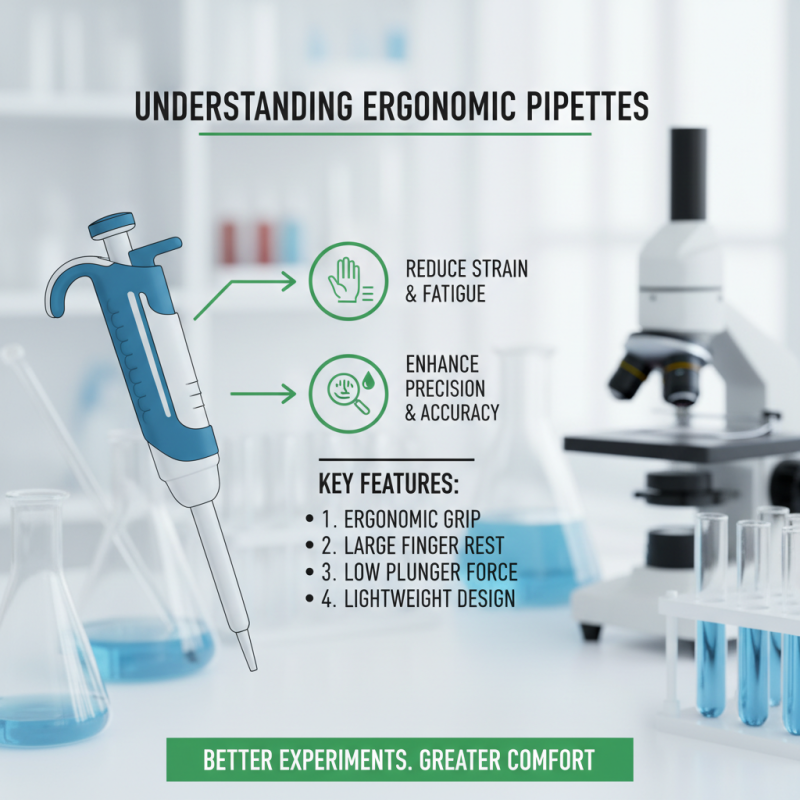
Ergonomic pipettes play a crucial role in laboratories. They are designed to reduce strain and enhance precision. In a high-paced environment, it's easy to overlook the importance of using these tools properly. Understanding the features of ergonomic pipettes can lead to better accuracy and comfort during experiments.
To use ergonomic pipettes effectively, hold them with a gentle grip. This minimizes muscle fatigue. Make sure to adjust the pipette to the correct volume. Many users tend to choose the wrong setting, which could affect results. Remember to practice a smooth pipetting technique. Sudden movements can lead to spills or contamination.
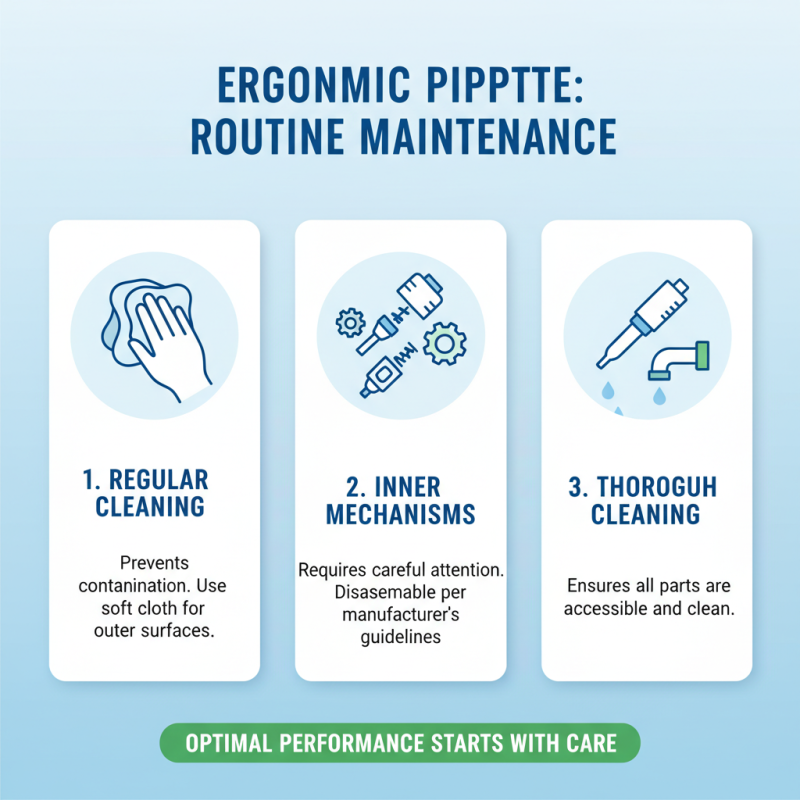
Regularly clean and maintain pipettes to ensure their longevity and performance. A well-maintained pipette helps prevent errors. Users often forget this step, which can compromise experiments. Keep your workspace organized. Clutter can lead to accidents and mistakes. Establish a routine that embraces these best practices, and you're likely to see noticeable improvements in your lab work.
Key Features to Look for When Selecting Ergonomic Pipettes
Selecting the right ergonomic pipette is crucial for enhancing lab efficiency and ensuring user comfort. Look for pipettes featuring an adjustable volume range. A study indicated that 45% of lab errors are linked to improper pipetting volumes. Adjustable pipettes allow flexibility in experiments, minimizing waste and improving accuracy.
Weight is another key factor. Lightweight pipettes significantly reduce hand fatigue. Research shows that ergonomic designs can decrease the incidence of musculoskeletal disorders by up to 50%. For optimal comfort, choose pipettes with a soft grip and customizable finger rests. This feature can enhance precision and reduce strain during long hours of use.
Finally, consider the ease of maintenance. Pipettes should be easy to disassemble for cleaning. A survey found that 60% of lab professionals faced challenges with pipette maintenance. Regular cleaning ensures longevity and accuracy, but complicated designs can deter proper upkeep. Investing in user-friendly options can mitigate these challenges.
10 Essential Tips for Using Ergonomic Pipettes Effectively
| Tip |
Key Feature |
Benefits |
| 1. Adjust for Comfort |
Height Adjustment |
Reduces strain on back and arms |
| 2. Use the Correct Volume |
Volume Markings |
Enhances accuracy in measurements |
| 3. Opt for Lightweight Design |
Material Composition |
Less fatigue during prolonged use |
| 4. Ensure a Good Grip |
Ergonomic Handle |
Improves control and precision |
| 5. Regular Maintenance |
Ease of Cleaning |
Ensures longevity and reliability |
| 6. Choose Adjustable Tips |
Tip Compatibility |
Versatile for various liquid types |
| 7. Test for Accuracy |
Calibration |
Ensures precise results in experiments |
| 8. Use Proper Technique |
Pipetting Angle |
Minimizes risk of contamination |
| 9. Check for Leaks |
Seal Integrity |
Prevents liquid loss and ensures safety |
| 10. Provide Adequate Training |
Training Resources |
Improves user confidence and competence |
Proper Grip and Hand Positioning Techniques for Ergonomic Pipettes
Proper grip and hand positioning are critical when using ergonomic pipettes. A comfortable grip decreases strain and enhances precision. Hold the pipette firmly but not too tightly.
Your thumb should rest naturally on the thumb lever, allowing for smooth operation. Ensure that your fingers are well placed on the barrel. This positioning minimizes stress on your wrist and hand.
Pay attention to your hand’s alignment. A neutral wrist position is vital. Avoid bending your wrist sharply while pipetting. This action can lead to fatigue over time. Additionally, consider the height of your work surface. If your elbows are too high or too low, it can alter your grip and positioning.
Adjust the pipetting area to maintain an ergonomic setup.
Frequent adjustments to grip style might be necessary. Over time, you may notice discomfort in your hand or wrist. These signals indicate a need for change. Try different grips to find what feels best. Utilizing tools like finger rests can also help. Experiment and reflect on which grip feels the most comfortable. Regularly assess your technique for long-term improvement.
Best Practices for Pipetting Techniques to Reduce Strain
When using ergonomic pipettes, proper techniques are key to reducing strain. Start by selecting the right pipette for the volume you are handling. This minimizes unnecessary force and optimizes your grip. A common mistake is overextending your fingers. Keep your wrist straight and your hand relaxed to lessen fatigue.
Maintaining a steady, smooth motion while pipetting also aids in comfort. Quick jerking movements can cause strain. A good practice is to use your elbow as a pivot point. This technique helps distribute the load evenly across your arm. Often, users forget to take breaks, leading to discomfort during prolonged tasks.
Remember, adjusting your workspace can improve ergonomics too. Ensure your pipetting station is at a comfortable height. Position your samples and reagents within easy reach. Reassess your posture regularly. If you feel tension, it’s a sign to adjust. Effective pipetting not only requires skill but also awareness of your body’s needs.
Effectiveness of Ergonomic Pipetting Techniques
This chart illustrates the effectiveness of various ergonomic pipetting techniques in reducing strain during pipetting tasks. Prioritizing proper grip and consistent speed significantly enhances overall performance.