Top 10 Tips for Efficient Cold Room Construction Techniques?
Cold Room Construction is a specialized task that requires careful planning and execution. Efficient techniques are vital to ensure functionality and durability. As the demand for cold storage grows across various sectors, understanding these techniques becomes increasingly important.
One major aspect to consider is insulation. Proper insulation is essential for maintaining the desired temperature. However, achieving the right balance can be challenging. Inexperienced builders might overlook this factor, leading to insufficient energy efficiency. Additionally, selecting adequate materials impacts both performance and budget.
Another critical consideration is layout design. An efficient design maximizes space while ensuring ease of access. Mistakes in planning can lead to wasted resources and time. Evaluating past projects can offer valuable insights, allowing for improvements in future cold room construction. Learning from both successes and failures helps refine these techniques responsibly.
Best Practices for Planning Cold Room Layout and Design
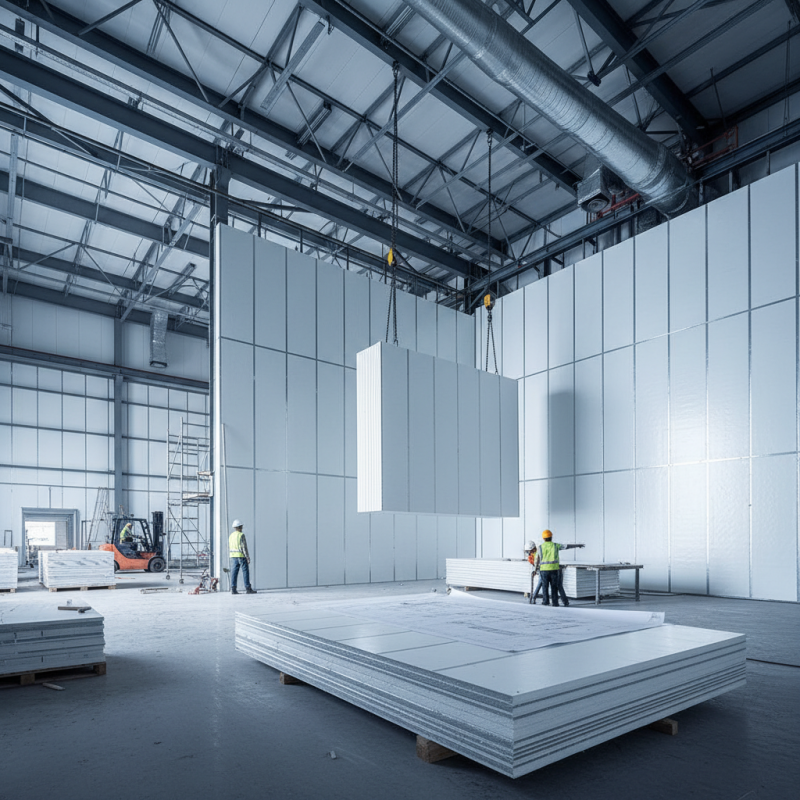
When planning a cold room layout, efficiency is key. The design should focus on maximizing space and ensuring proper airflow. Begin with a clear understanding of your refrigeration needs. Knowing your temperature requirements can guide you in selecting the right materials and equipment.
Evaluate the flow of goods. Think about how products will move in and out of the space. Consider using modular shelving. This allows for easy adjustments as your storage needs change. Pay attention to the placement of doors and loading docks for optimal access.
Consider insulation quality carefully. Poor insulation can lead to temperature fluctuations and increased energy costs. Using high-quality materials may have a higher upfront cost but offers long-term savings. Regularly assessing your cold room performance can pinpoint areas for improvement. Always strive for better efficiency. This approach not only optimizes operations but also enhances product longevity.
Essential Materials for Cold Room Construction Efficiency
When constructing cold rooms, the choice of materials is crucial for maintaining efficiency. Insulation is a primary concern. Using high-quality insulation materials can significantly reduce energy costs. According to the U.S. Department of Energy, proper insulation can cut heating and cooling costs by up to 30%. This highlights the importance of selecting materials that ensure optimal thermal performance.
Reinforced paneling is another critical material. Structures built with composite panels are often preferred for their durability and effectiveness in temperature control. A report from the Refrigerated Warehousing and Distribution Association states that buildings constructed with these panels can maintain desired temperatures while minimizing energy consumption. However, some may overlook aspects like proper installation techniques, which can lead to air leaks.
Moreover, the flooring in cold rooms should also be robust. Concrete is often used, but it's not always the best option. Porous surfaces can absorb moisture, increasing humidity levels. This can affect product integrity and lead to mold growth. It's worth researching alternatives that offer better moisture resistance. Continuous evaluation of the materials and techniques used in cold room construction is essential for long-term efficiency and reliability.
Top 10 Tips for Efficient Cold Room Construction Techniques
This chart illustrates the importance of various factors in cold room construction efficiency, highlighting critical materials and techniques that enhance performance.
Techniques for Insulating Cold Rooms Effectively
Insulating cold rooms effectively is crucial for maintaining temperature control and energy efficiency. Proper insulation minimizes heat transfer and keeps storage areas at optimal temperatures. Selecting the right materials is essential. Use high-density foam panels for walls and ceilings. These panels offer excellent insulation while being lightweight.
Start with the floor. A well-insulated floor prevents cold air loss. Insulated flooring materials can help maintain stability. Consider using vapor barriers to control humidity. This can be vital in maintaining conditions within the cold room.
Pay attention to sealing joints and gaps. Even small cracks can lead to significant heat loss. Caulk and weatherstrip around doors and windows for maximum efficiency. Regular inspections are necessary. Ensure your insulation remains intact over time. If signs of wear appear, act promptly to avoid costly energy losses.
Creating a cold room involves more than just building walls. It requires attention to detail in insulating techniques. Ensuring effective insulation is a balancing act. Monitor the temperature and adjust as necessary. Consistent evaluations can improve your approach significantly.
Innovative Refrigeration Systems for Cold Room Optimization
In cold room construction, optimizing refrigeration systems is vital for efficiency. Innovative technologies can drastically improve temperature management and energy consumption. Utilizing variable speed drives in compressors helps maintain consistent temperatures while reducing energy costs. These systems can adapt to varying load demands, providing better control.
Efficient insulation is another key aspect. High-quality insulation materials minimize thermal bridging, enhancing energy efficiency significantly. A tip: consider using reflective materials to prevent heat gain, especially in warmer climates. This approach not only saves energy but also boosts the reliability of the refrigeration system.
Regular maintenance of the refrigeration system cannot be overlooked. Implementing a scheduled maintenance program ensures that equipment operates at peak performance. An often-overlooked area is sealing and caulking. Gaps in the structure can lead to inefficiencies. This oversight could cause higher operating costs or even equipment failure. Managing airflow with proper duct design is essential too. It supports even cooling and reduces stress on the system.
Importance of Compliance with Safety Standards in Cold Room Build
When constructing cold rooms, adhering to safety standards is critical. These buildings must maintain specific temperatures to ensure the safe storage of perishable goods. Failing to comply with regulations can lead to serious safety hazards. Proper insulation, for example, is not just a design choice; it plays a vital role in temperature control and energy efficiency.
Additionally, regular inspections during construction are essential. This helps to identify potential risks early. Using high-quality materials is another important aspect. Low-quality insulation might save costs initially, but it can lead to higher energy bills and spoilage of stored items. Observing safety standards can seem tedious, but it's crucial to avoid future complications.
Emerging technologies should be considered. For example, advanced monitoring systems can ensure compliance with temperature regulations. However, not all companies may have access to these technologies. This can create a gap in safety compliance. Regular updates and training for workers are necessary for maintaining safety standards. Investing in these areas is a commitment to quality and safety.
Top 10 Tips for Efficient Cold Room Construction Techniques
| Tip Number | Tip Description | Importance of Compliance |
| 1 | Use High-Quality Insulation Materials | Ensures temperature maintenance and energy efficiency. |
| 2 | Follow Local Building Codes | Prevents legal issues and ensures safety compliance. |
| 3 | Implement Proper Ventilation Systems | Maintains air quality and prevents condensation. |
| 4 | Use Energy-Efficient Cooling Units | Reduces operational costs and energy consumption. |
| 5 | Schedule Regular Maintenance | Ensures optimal performance and longevity of the cold room. |
| 6 | Incorporate Safety Features | Protects operators and maintains a safe working environment. |
| 7 | Ensure Proper Load Capacity | Prevents structural failure and implements load management. |
| 8 | Design for Easy Access and Mobility | Facilitates efficient operations and reduces work-related injuries. |
| 9 | Utilize Temperature Monitoring Systems | Ensures temperature integrity and alerts for variances. |
| 10 | Train Personnel on Safety Procedures | Enhances safety awareness and compliance with regulations. |