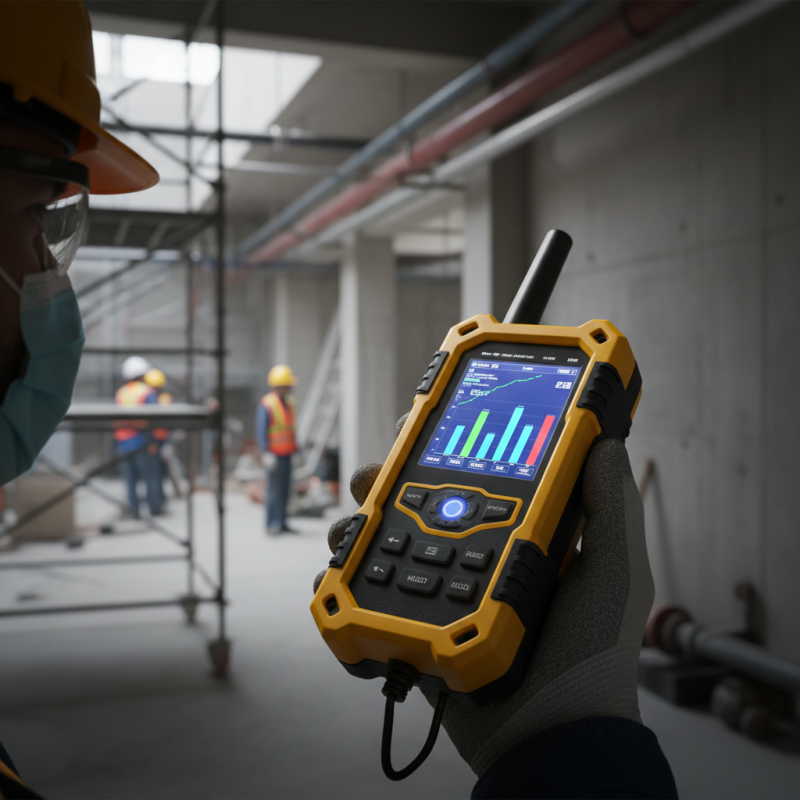
How to Choose the Best Handheld Gas Monitor for Your Needs?
Choosing the right Handheld Gas Monitor is crucial for safety and efficiency. These devices are essential for detecting harmful gases in various environments. With numerous options available, finding the perfect fit for your needs can be daunting.
Understanding the specific gases you need to monitor is the first step. Different industries require different detection capabilities. For instance, construction sites and confined spaces often face unique risks. Beyond basic features, factors like battery life and portability matter significantly.
However, choosing poorly can lead to inadequate safety measures. Some monitors may lack sensitivity or may not detect certain gases at all. It’s important to read reviews and consult professionals in the field. Prioritizing reliable brands with proven track records ensures better performance. Ultimately, taking the time to choose wisely can prevent dangerous situations and save lives.
Understanding Handheld Gas Monitors: Types and Functions
Handheld gas monitors are essential tools for safety in various environments. These devices come in multiple types, each serving distinct functions. There are single-gas monitors designed for specific gases like carbon monoxide or methane. Multi-gas detectors can identify several gases at once, making them versatile for industrial use.
Understanding the functions of each type is crucial. For instance, monitors equipped with real-time alerts can notify users of dangerous levels immediately. This feature is vital in confined spaces where gas build-up can lead to hazardous situations. Users need to consider the types of gas present in their work environment when selecting a device.
However, choosing the right model can sometimes feel overwhelming. Each monitor has unique specifications, like sensitivity levels and response times. Not every monitor may have the features you need. Evaluating the reliability of manufacturers is also important. Reading user experiences can provide insight into the monitor's performance. It’s wise to frequently reassess the chosen device, ensuring it meets current safety requirements.
Comparison of Handheld Gas Monitors Features
Key Factors to Consider When Choosing a Handheld Gas Monitor
When choosing a handheld gas monitor, several key factors come into play. Understanding the specific gases you need to detect is crucial. Different monitors are designed for specific gas types, such as combustible gases or toxic substances. Ensure that the device you select meets your specific monitoring needs. The sensitivity and detection range also matter. A monitor that detects low-level concentrations is beneficial for safety, especially in industrial settings.
Tips: Always check the response time of the monitor. A quicker response can be vital in emergencies. Calibration frequency is another important aspect. Regular calibration ensures accurate readings over time. Many users overlook this, leading to potentially hazardous situations.
Battery life is another key consideration. A device with longer battery duration will be more reliable during extended use. However, keep in mind that battery performance can degrade over time. Opt for a model with easy battery replacement options. While advanced features like data logging can be beneficial, they might complicate the operation for some users. Ensure the monitor's usability fits your level of expertise.
How to Choose the Best Handheld Gas Monitor for Your Needs?
| Feature | Description | Importance Level |
| Sensor Types | Different sensors detect various gases such as CO, H2S, CH4. | High |
| Calibration | Frequency and ease of calibration to maintain accuracy. | Medium |
| Response Time | Time taken to detect gas presence. | High |
| Battery Life | Duration the device can operate on a single charge. | High |
| Portability | Weight and size considerations for field use. | Medium |
| Data Logging | Ability to record measurements for review. | Medium |
| Durability | Resistance to environmental factors, such as moisture and dust. | High |
| Display Readability | Visibility of readings in different lighting conditions. | Medium |
Essential Features for Effective Gas Monitoring in Various Environments
Choosing a handheld gas monitor involves understanding essential features required for effective monitoring. The device needs sensitivity to detect various gases at different levels. Look for monitors that provide real-time readings, which are crucial in environments where gas leaks can pose immediate threats.
Another key aspect is the durability of the monitor. It should withstand challenging conditions like high humidity or extreme temperatures. A rugged design ensures that the device remains reliable in tough work sites. Not all monitors are created equal, and choosing one that suits your specific environment is critical.
Tip: Regular calibration is essential. A reliable monitor can lose accuracy over time. Check the calibration status before use, especially in high-stakes situations.
Consider the battery life of the device. Monitors with extended battery life can work longer without interruption. Short battery life can become a liability in certain settings. It’s important to balance features with practical usability.
Tip: Keep a checklist for features specific to your industry. This helps prevent oversights when selecting a monitor. Understanding your unique needs can lead to better choices.
Maintenance and Calibration Tips for Handheld Gas Monitors
Maintaining and calibrating your handheld gas monitor is crucial for accurate readings. Regular checks enhance reliability and ensure safety in any environment. At least once a month, inspect your device for any visible damage. This simple step can highlight potential issues that may affect its performance.
Calibration is a vital aspect of maintenance. It should be conducted at specific intervals, ideally quarterly or biannually, depending on usage. Calibration helps align the monitor’s readings with known gas concentrations. This process usually requires a calibration gas, but accessing reliable resources can sometimes be tricky.
Ensuring that calibration gases are within their expiration date can affect accuracy. User manuals often provide calibration instructions, but they may not cover every situation. Some users find the process daunting and may overlook subtle signs of malfunction. Inexperienced operators might hesitate to report inconsistencies promptly. Being aware of these subtleties can help in maintaining optimal functionality.
Regular training enhances familiarity and reduces errors during calibration tasks. This knowledge is essential for using handheld gas monitors effectively in demanding environments.
Recommended Brands and Models for Different Industry Needs
When selecting a handheld gas monitor, understanding your specific industry needs is key. In construction, a model that detects methane and carbon monoxide is essential. In healthcare, look for monitors that can identify volatile organic compounds. Environmental sectors often require multi-gas detection capabilities, ensuring safety across varied scenarios.
Tips for choosing your monitor: always consider the environment it will be used in. Indoor spaces may need different sensors than outdoor sites. Battery life matters too; a device that can last through long shifts is crucial. Check for ease of use; a complex interface can increase the risk of operator error.
There are countless options on the market, but not all will meet your requirements. Consider your team's expertise. If they lack training, a simpler device may be better. Also, reviews from users can provide insight into reliability and performance. Evaluate models based on these factors to ensure your investment is sound.