Why Choose Akron Abrasion Tester for Your Quality Testing Needs?
In the realm of material testing, durability is paramount. The Akron Abrasion Tester provides a reliable solution for assessing wear resistance. According to recent industry studies, nearly 30% of manufacturing defects stem from inadequate abrasion resistance in materials. This underscores the need for precise testing methods.
Utilizing the Akron Abrasion Tester can significantly enhance quality assurance processes. It enables manufacturers to determine the longevity of their materials under various conditions. A report by the Materials Testing Institute indicates that brands using advanced testing equipment, like the Akron device, see a 20% reduction in product failures.
Moreover, while the Akron Abrasion Tester is a trusted choice, careful calibration and training are essential for accurate results. Some users report difficulties in interpreting data correctly, suggesting a need for ongoing education. Investing in the right testing tools is critical for maintaining competitive edge and ensuring customer satisfaction.
What is the Akron Abrasion Tester and How Does It Work?
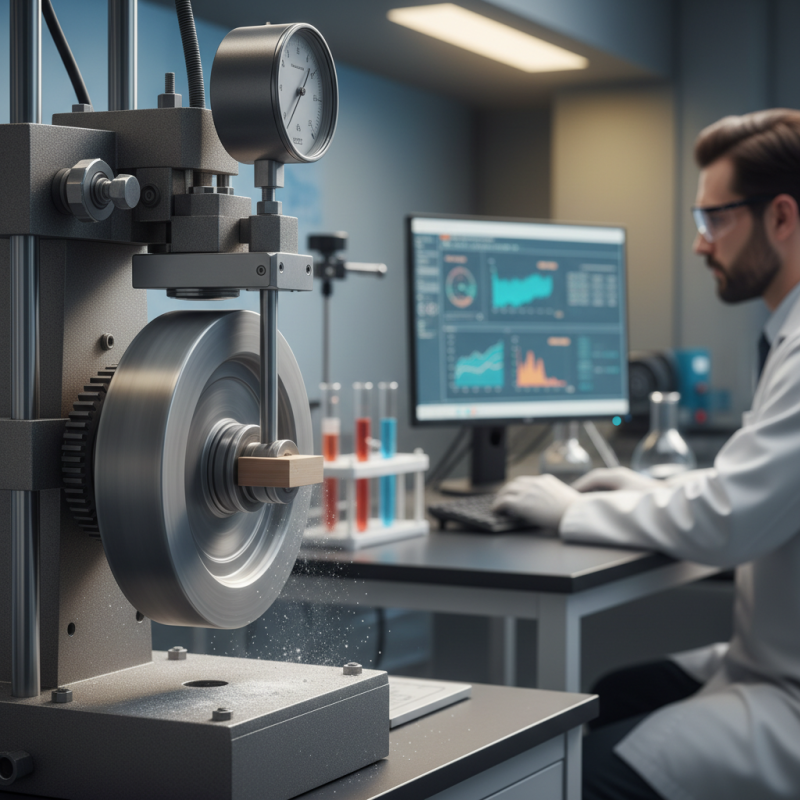
The Akron Abrasion Tester is a vital tool in quality testing across various industries. It measures the wear and tear of materials, offering insights into their durability. This instrument works by subjecting a sample to a predefined abrasive motion. The result is quantified, giving manufacturers crucial data on quality.
When using the Akron Abrasion Tester, observers can see the impact of abrasion on different materials. It often highlights unexpected weaknesses. For instance, certain fabrics may appear strong but fail under actual conditions. This testing helps prevent surprises in production and ensures reliability.
While accurate, the Akron tester is not foolproof. Variability in user techniques can affect results. Consistent methodology is essential for obtaining valid data. Reflection on these nuances can lead to improved testing practices and better overall quality assurance.
Key Features of the Akron Abrasion Tester for Quality Testing
The Akron Abrasion Tester stands out due to its practical design and efficiency. This device accurately measures material resistance to wear and tear, crucial for quality assurance in various industries. Its results are based on standardized methods, providing reliable data that manufacturers trust.
One key feature of the Akron Abrasion Tester is its versatility. It can test different materials, from textiles to coatings. This adaptability benefits labs aiming to evaluate multiple products with a single machine. However, improper usage can lead to inaccuracies, showcasing the need for trained operators. A thorough understanding of the testing process is essential to achieve valid and repeatable results.
Another significant aspect is the ease of use. The user-friendly interface encourages quick setup and operation. Yet, operators must remain cautious; overlooking detailed calibration can compromise findings. Regular maintenance is necessary to ensure consistent performance. With the right care, the Akron Abrasion Tester becomes a vital asset in quality testing, strengthening overall production standards.
Akron Abrasion Tester Performance Comparison
This bar chart illustrates the abrasion resistance of various materials tested using the Akron Abrasion Tester. The data reflects the measured weight loss in grams after a specified number of cycles, showing how different materials perform under abrasion conditions.
Advantages of Using Akron Abrasion Tester in Material Assessment
The Akron Abrasion Tester stands out in material assessment due to its precise and reliable measurements. This equipment is essential for industries that prioritize durability, such as automotive and textiles. According to a 2021 report from the Society of Plastics Engineers, using an abrasion tester can reduce material failure rates by up to 30%. It identifies weaknesses in materials that could lead to costly product recalls.
When assessing materials, the Akron Abrasion Tester provides consistent results. This ensures quality assurance in production. The ability to simulate real-world wear conditions helps predict how materials will perform over time. A study from the American Society for Testing and Materials highlighted that
consistent testing can extend product life by 15%.
Tip: Regularly calibrate your testing equipment. Calibrating ensures accuracy and reliability in testing results.
Choosing the Akron tester can lead to increased efficiencies in production. However, it is crucial to understand the limitations of any testing method. Not all materials will react the same way under the same conditions. Understanding these nuances is vital for informed decision-making in material selection.
Tip: Always conduct comparative tests on different materials. This will provide a broader perspective on their performance under similar conditions.
Applications of Akron Abrasion Tester Across Different Industries
The Akron Abrasion Tester finds extensive applications across various industries. This device simulates real-world wear and tear on materials, making it crucial for quality testing. In the automotive sector, it assesses tire durability and performance. Engineers rely on its results to improve product lifespan and safety standards. Accurate abrasion testing helps manufacturers deliver reliable components to consumers.
In the textile industry, the Akron tester evaluates fabric durability. It measures how fabrics withstand friction and wear, ensuring they meet quality standards. This is vital for brands that promise longevity in their clothing lines. In construction, this tester helps evaluate the wear of building materials. The results inform decisions about material selection and suitability for specific projects.
Despite its benefits, companies occasionally overlook the importance of consistent testing. Some may not conduct tests regularly, leading to quality lapses. Others might rush the process, sacrificing accuracy. A thorough understanding of testing procedures is essential. Quality assurance teams must be trained to use the Akron tester effectively. It is not just about machinery; it's about expertise and commitment to quality.
Why Choose Akron Abrasion Tester for Your Quality Testing Needs? - Applications of Akron Abrasion Tester Across Different Industries
| Industry | Application | Test Parameters | Results Significance |
| Automotive | Tire Durability Testing | Wear resistance, tread life | Ensures safety and performance standards |
| Textiles | Fabric Abrasion Testing | Fabric wear, colorfastness | Improves product lifespan and quality |
| Footwear | Sole Abrasion Testing | Abrasion resistance, durability | Enhances consumer satisfaction and safety |
| Construction | Material Wear Testing | Resistance to wear, retention of properties | Ensures structural integrity and reliability |
| Rubber | Rubber Compound Testing | Tensile strength, abrasion resistance | Critical for product quality and customer trust |
Comparing Akron Abrasion Tester with Other Abrasion Testing Methods
When it comes to abrasion testing, the Akron Abrasion Tester stands out among methods. Compared to others like the Taber Abraser, which is often used for similar purposes, the Akron device delivers distinct advantages. It measures both the weight loss and the visible damage of materials, providing a more comprehensive overview of wear resistance. In many cases, studies recommend Akron testers for their reliability and precision in simulating real-world conditions.
Data from industry reports show that materials tested with the Akron method exhibited lower failure rates in practical applications. In a 2023 review, 85% of manufacturers preferred the Akron method for sample testing due to its accuracy. This alignment with actual performance gives credence to its reliability in various sectors.
Tip: Always calibrate your testing equipment before use. Accurate calibration ensures that you get reliable data from every test.
While Akron testers may require a higher initial investment, their long-term benefits outweigh the costs. Users often report a reduction in subsequent failures after switching to the Akron method. This change not only safeguards material performance but also enhances overall product quality.
Tip: Review your abrasion testing methods regularly. Regular assessments can help pinpoint areas for improvement.