Best Sleep Monitoring Technology for Better Sleep Quality?
In today's fast-paced world, achieving quality sleep is more crucial than ever. Reports indicate that about 70 million Americans suffer from sleep disorders, highlighting a pressing need for effective solutions. Sleep Monitoring Technology has emerged as a key player in addressing these issues. With devices ranging from smartwatches to specialized sleep trackers, consumers now have access to unprecedented insights into their sleep patterns.
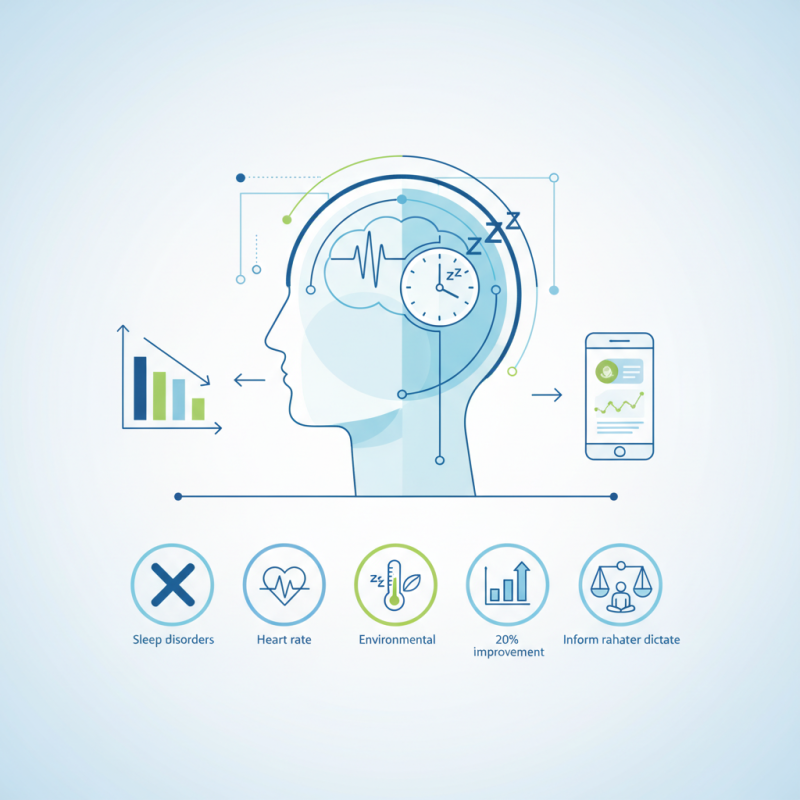
These technologies utilize sensors to analyze sleep cycles, heart rate, and even environmental factors. For example, a recent study revealed that individuals using sleep monitors reported a 20% improvement in sleep quality. Yet, despite these advancements, many users still struggle to interpret their data effectively. This gap exemplifies a crucial area for improvement in the industry.
While the promise of enhanced sleep is enticing, the reliance on technology can create an obsession with metrics. Some users find themselves more stressed about their sleep data than before. This reality underscores the need for a balanced approach to Sleep Monitoring Technology, where data informs rather than dictates our habits and routines. Addressing these challenges could lead to a more sustainable path towards better sleep quality.
Overview of Sleep Monitoring Technology
Sleep monitoring technology has advanced significantly in recent years. Many devices now track various aspects of sleep, from duration to quality. These tools gather data on movements, heart rate, and even breathing patterns. By analyzing this data, users can gain insights into their sleep habits.
Wearable gadgets, such as fitness trackers, are popular for sleep monitoring. They often provide simple feedback on sleep cycles and suggest improvements. However, the accuracy of these devices can vary. Some users may find discrepancies between their actual sleep quality and the data reported. Inconsistent results can lead to confusion and frustration.
Smartphone applications also play a role in sleep monitoring. Many apps use sound analysis to detect sleep stages. Yet, factors like background noise can affect their performance. It's important to remain critical of the data you receive. Reflecting on both the strengths and limitations of sleep monitoring technology is essential for truly enhancing sleep quality.
Types of Sleep Monitoring Devices
Sleep is a vital aspect of overall health, yet many struggle to achieve quality rest. Various sleep monitoring devices can enhance sleep quality by providing insightful data. These devices range from wearable gadgets to non-wearable solutions. According to a recent report by the National Sleep Foundation, about 30% of adults experience insomnia symptoms at least once a year. This highlights the growing need for effective monitoring tools.
Wearable devices, such as smartwatches, track heart rate, movement, and sleep stages. They offer a user-friendly way to collect data over time. Studies indicate that individuals using wearables reported improved sleep patterns. These devices allow users to adjust habits based on tracked metrics. However, accuracy can vary, and some users may find them uncomfortable, impacting their sleep quality further.
Non-wearable options, like sleep trackers placed under pillows, provide a different approach. These devices analyze sleep patterns without requiring users to wear something during the night. Research suggests that users find these options less intrusive. Yet, concerns about data privacy and the reliability of sleep metrics remain prevalent. Continuous monitoring may lead to increased anxiety regarding sleep habits, a paradox worth considering.
Criteria for Choosing the Right Sleep Monitor
When choosing a sleep monitor, consider accuracy. The best devices track sleep stages effectively. They should differentiate between light sleep, deep sleep, and REM sleep. This information is crucial for understanding your sleep patterns.
Ease of use is another important criterion. A user-friendly interface enhances the overall experience. Monitors should be easy to set up and operate. Complex devices can lead to frustration. Look for features that suit your lifestyle. Some prefer wearable devices, while others opt for bedside monitors.
Data privacy matters. Many sleep monitors collect personal information. Ensure the monitor respects your data. Examine the privacy policy carefully. Reflect on whether the benefits outweigh potential risks. Quality sleep profoundly impacts health. Choosing the right monitor can guide you toward better sleep.
How Sleep Monitoring Enhances Sleep Quality
Sleep monitoring technology has become a game-changer for improving sleep quality. By tracking sleep patterns, these devices provide insights that can help individuals understand their sleep habits. Sleep stages—light, deep, and REM—are essential for restorative rest. Monitoring these stages allows users to identify disturbances in their sleep cycles.
Data is collected through various sensors, analyzing heart rate, movement, and even environmental factors like noise. This information can reveal trends over time, helping people make informed adjustments to their routines. For example, some may discover that caffeine intake harms their deep sleep. This prompts reflection on lifestyle choices and their effects on overall well-being.
Implementing changes based on sleep data can enhance quality and productivity. However, it's essential to approach this technology with caution. Not all devices are equally accurate, and reliance on data can create anxiety around sleep. Individuals should find a balance, using technology as a tool while maintaining awareness of their body's needs. Quality sleep is complex and involves more than just numbers. It’s about creating a holistic approach that nurtures both mind and body.
Sleep Quality Enhancement Through Monitoring Technology
This bar chart illustrates the average sleep quality score based on various sleep monitoring technologies utilized over a month. The scores range from 0 to 100, where higher scores indicate better sleep quality.
Future Trends in Sleep Monitoring Technology
As we look to the future, sleep monitoring technology is evolving rapidly. New devices integrate AI to analyze sleep patterns effectively. These innovations promise enhanced sleep quality through personalized insights. Wearables are now more sophisticated, tracking not just movement but also heart rate variability and REM cycles. This data helps users understand their sleep behaviors better.
Tips: Create a sleep-friendly environment. Keep your bedroom cool and dark. Limit screen time before bed. Small changes can significantly enhance your sleep quality.
Future trends suggest smart home integration for a seamless experience. Imagine your smart lights adjusting automatically as you wind down for the night. Devices may soon learn from your habits, offering tailored recommendations. However, reliance on technology can create stress. Balancing tech use with natural sleep practices is essential.
Tips: Consider a wind-down routine. Gentle stretches or reading a book can help ease anxiety. Focus on mental relaxation to embrace better sleep.
Best Sleep Monitoring Technology for Better Sleep Quality
| Technology Type | Key Features | Accuracy (%) | User Experience Rating (1-5) | Future Trends |
| Wearable Devices | Heart rate monitoring, sleep cycle tracking | 85 | 4.2 | Integration with health apps, advanced analytics |
| Sleep Environment Sensors | Temperature, humidity, noise level | 90 | 4.5 | AI-driven recommendations for optimal conditions |
| Smart Mattresses | Pressure point relief, adjustable firmness | 88 | 4.3 | Personalized sleep settings, remote controls |
| Sleep Tracking Apps | Sleep diary, alarm clocks, daily insights | 80 | 4.0 | Enhanced personalization through AI |
| EEG Headbands | Brain wave monitoring, REM analysis | 92 | 4.6 | Research-based insights for better sleep |