What is the Best Orthodontic Adhesive System for Braces?
Choosing the right Orthodontic Adhesive System is vital for effective braces treatment. This system bonds the brackets to the teeth, ensuring they stay in place throughout the treatment. A strong adhesive minimizes the need for frequent adjustments, making the process smoother for both practitioners and patients.
Different Orthodontic Adhesive Systems are available, each with unique properties. Some are designed for easy removal, while others offer enhanced strength. However, finding the best option may not be straightforward. Factors such as patient comfort, bracket material, and treatment duration all come into play.
In some cases, the effectiveness of an adhesive may depend on the individual’s oral environment. Saliva, diet, and oral hygiene can affect how well an adhesive works. It's essential to reflect on these variables when selecting an Orthodontic Adhesive System. Ultimately, the choice may require personal experience and professional insight to find the optimal solution.
Understanding Orthodontic Adhesive Systems Available for Braces
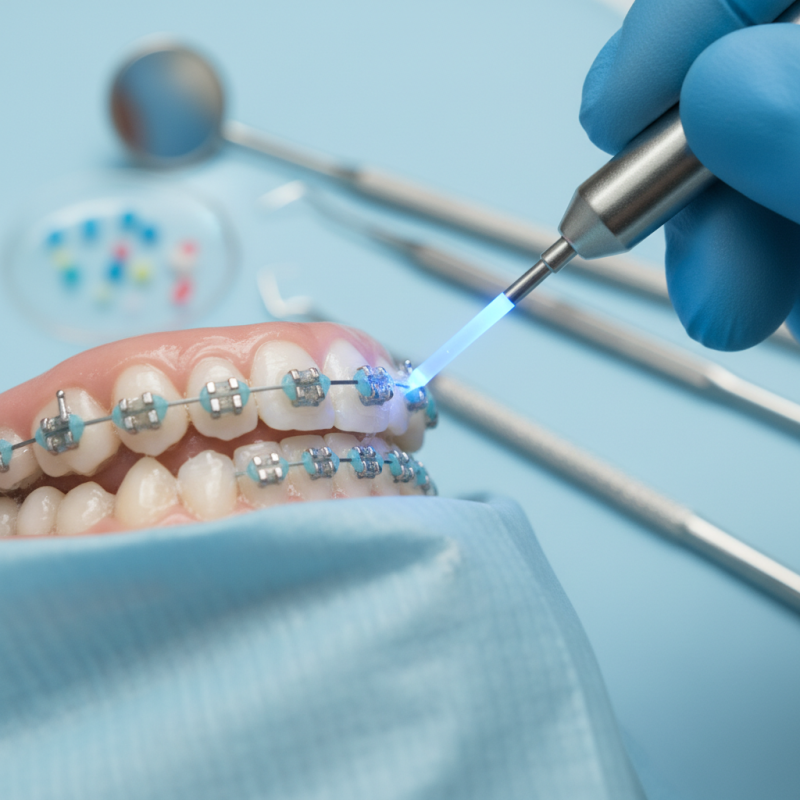
Orthodontic adhesive systems are essential for the effective placement of braces. These adhesives ensure that brackets remain securely attached to the teeth throughout treatment. Understanding the various types available is vital for both orthodontists and patients. Traditional composites are popular due to their strength. They bond well and resist breaking during treatment.
Some systems use light-cured adhesives. They require less time to set and are easy to use. However, they may require a specific type of curing light. This could pose challenges in different environments. On the other hand, self-adhesive systems simplify the bonding process. They eliminate the need for additional bonding agents. Yet, they may not provide the same tensile strength as other methods.
It’s important to reflect on the choice of adhesive system. Some may not perform as expected, leading to bracket failure. This can cause delays in treatment and frustration for patients. Continuous evaluation of adhesive performance is necessary. Orthodontists should be open to adjusting their techniques based on outcomes. Each case is unique, and what works for one person may not work for another.
Comparison of Orthodontic Adhesive Systems for Braces
Key Factors Influencing the Choice of Orthodontic Adhesive
Choosing the right orthodontic adhesive system is crucial for successful braces treatment. Several factors influence this decision. One key aspect is bond strength. A stronger adhesive ensures that brackets stay in place. This affects treatment efficiency and reduces the risk of debonding.
Another consideration is ease of use. The application should be straightforward for orthodontic professionals. Complicated systems can lead to errors. Also, curing time plays a role. An adhesive that cures quickly can speed up the overall process. However, rushing can lead to mistakes.
Finally, patient comfort is a vital factor. Some adhesives may cause sensitivity or allergic reactions. This should never be overlooked. Selecting the right adhesive is not just about performance; it's about ensuring a positive experience for patients during their treatment journey. Individual preferences and needs also matter greatly, and choices should reflect that.
What is the Best Orthodontic Adhesive System for Braces? - Key Factors Influencing the Choice of Orthodontic Adhesive
| Adhesive Type | Bond Strength (MPa) | Setting Time (Minutes) | Removal Ease | Hydrolytic Stability | Cost ($ per Kit) |
| Light-Cure Composite | 20-30 | 1-3 | Moderate | High | 120 |
| Self-Etch Adhesive | 15-25 | 2-5 | Easy | Moderate | 100 |
| Dual-Cure Composite | 25-35 | 3-6 | Moderate | High | 150 |
| Glass Ionomer | 10-15 | 4-7 | Difficult | Low | 80 |
Comparison of Different Types of Adhesives Used in Orthodontics
When it comes to orthodontic adhesive systems, there are several options available. Each type has unique properties affecting their performance and bonding. For instance, light-cured adhesives have gained popularity. According to a study by the American Journal of Orthodontics, they offer strong bonding power and require less chair time for adjustments.
However, not all adhesives are equally effective. A recent survey indicated that failure rates vary significantly among different systems. Some techniques might show a 5% failure rate, while others report over over 15%. This discrepancy can be troubling for orthodontic professionals. Proper selection of adhesive can impact treatment outcomes and patient satisfaction.
On the other hand, self-etching adhesives are making waves. They simplify the bonding process and reduce sensitivity. Yet, they can sometimes lead to uneven bond strengths. This inconsistency prompts further research and reflection on materials used. Understanding the unique characteristics of each adhesive remains crucial for orthodontists. An informed choice can substantially affect treatment efficiency and comfort for patients.
The Role of Adhesive Properties in Treatment Outcomes
The adhesive properties of orthodontic systems play a crucial role in treatment outcomes. When braces are applied, the adhesive must bond effectively to both the enamel and the bracket. A strong bond reduces the risk of bracket failure. However, achieving this bond can be challenging. Variations in patient enamel or even moisture can affect the adhesive's performance.
In many cases, practitioners may face issues with debonding. This can lead to extended treatment times or additional procedures. If the adhesive does not maintain its strength, it can cause unwanted tooth movement. Therefore, understanding the curing process is essential. Some systems may cure too quickly or not enough, impacting performance.
Adhesive selection requires careful consideration. Not all adhesives are created equal. Some may excel in certain situations but fail in others. Testing various systems can help practitioners find the right fit. Trial and error can lead to better patient outcomes in the long run. Ultimately, the goal is a successful and efficient treatment process.
Best Practices for Using Orthodontic Adhesives during Brace Application
Choosing the right orthodontic adhesive is crucial during brace application. Several studies show that effective bonding can reduce treatment time. A well-bonded bracket minimizes the risk of debonding, which may extend overall orthodontic treatment. For optimal results, the adhesive must withstand forces from daily activities such as eating and brushing.
Tips: Always prepare the tooth surface thoroughly. A clean, dry surface enhances bond strength. Rinse with water after etching to remove debris. Observe your patient’s comfort. If they experience discomfort during bonding, adjust your technique.
Adhesive thickness matters too. Too much adhesive can create issues with bracket placement. A consistent thickness can improve adhesive performance. Factors like moisture control and light-curing time can impact bonding effectiveness. Neglecting these may result in compromised bond strength.
Tips: Monitor the light-curing process closely. Under-curing can lead to weakened bonds. Check the manufacturer's recommendations for ideal curing times. Regular assessments during treatment can help identify potential issues early. Reflect on the technique used for each case, as experience can reveal areas for improvement.