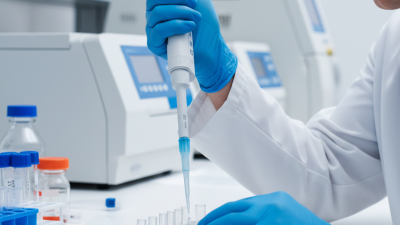
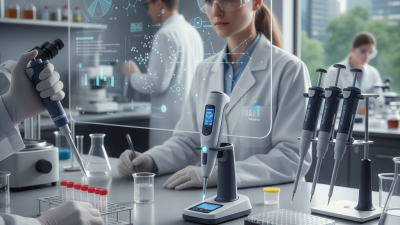
Best Liquid Handling Techniques for Accurate Lab Results?
In the world of laboratory research, precision is paramount. Effective liquid handling techniques are crucial for obtaining accurate results. Dr. Emily Carter, a renowned expert in the field, emphasizes, "The quality of your data begins with how you handle liquids." This statement captures the essence of successful experimentation.
Proper liquid handling involves more than just using the right tools. It requires a deep understanding of fluid dynamics and the properties of liquids. For instance, the choice of pipette tip can influence the accuracy of a sample. Even subtle errors in pipetting can lead to significant deviations in results. Researchers must remain vigilant about these details.
Many laboratories struggle with consistent liquid handling practices. The need for training is evident. Mistakes often occur, leading to regret later. It's essential to reflect on these practices. Improving liquid handling techniques is not just about technology, but also about cultivating discipline in the lab. As scientists strive for excellence, they must continually evaluate their methods.
Essential Principles of Liquid Handling for Laboratory Accuracy
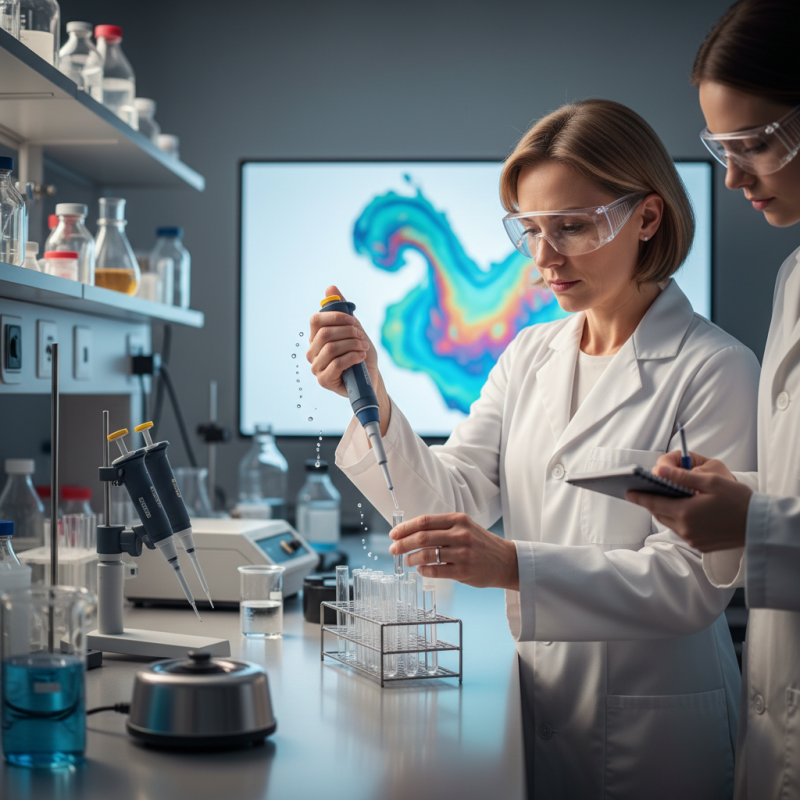
Liquid handling is a critical process in any laboratory. Getting it right is essential for accurate results. Precision in measuring liquids can greatly affect your experiments. Every drop counts, yet mistakes happen. Sometimes, it’s due to rushed techniques or miscalculations.
One essential principle is to use the right tools. Pipettes, for example, should be calibrated regularly. Not doing so can lead to unexpected results. Always check for air bubbles in the liquid. They can cause measurement errors that compromise your findings.
Tips: Practice consistent technique. Hold the pipette vertically and apply even pressure on the plunger. Wearing gloves can prevent contamination. Small details make a difference. Remember, practice improves accuracy. Regularly reflect on your methods. Consider where you might improve. Every lab faces challenges; embracing them leads to growth.
Common Liquid Handling Techniques and Their Applications
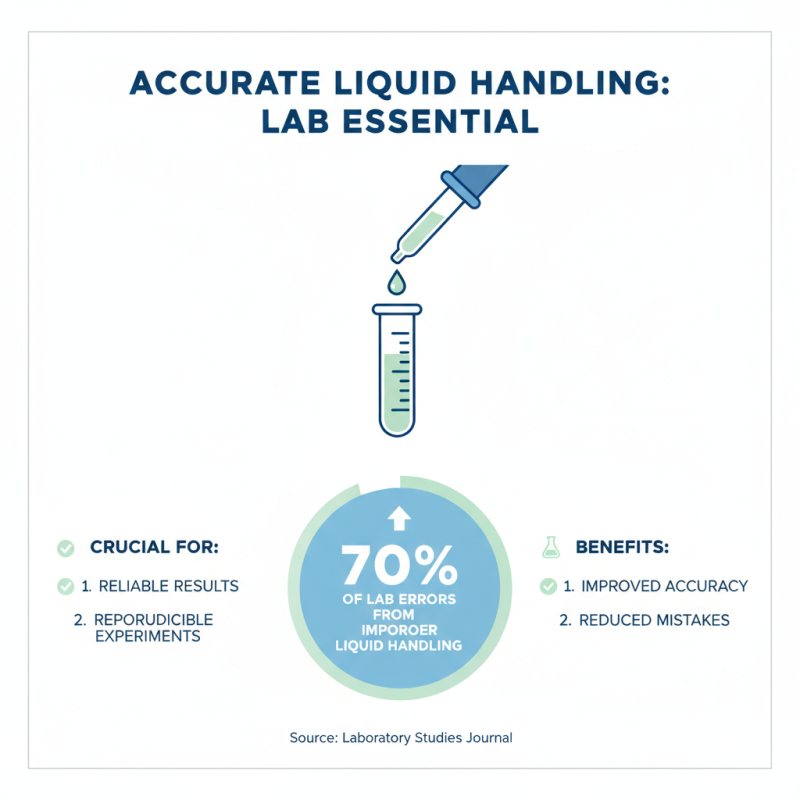
Accurate liquid handling is crucial in laboratory settings. Common techniques include pipetting, dispensing, and microfluidics. Each method serves specific applications but comes with its own challenges. For instance, pipetting is widely used for transferring small volumes, and its precision can vary based on technique. Studies show that 70% of pipetting errors result from user technique.
Dispensing systems offer efficiency for higher volume tasks. These systems can streamline workflows. However, improper calibration can lead to significant errors. An estimated 5-10% of results in critical experiments may be compromised due to inaccurate dispensing. In biology labs, microfluidics plays an important role in analyzing cell samples. While these systems provide great precision, the complexity can introduce potential for errors.
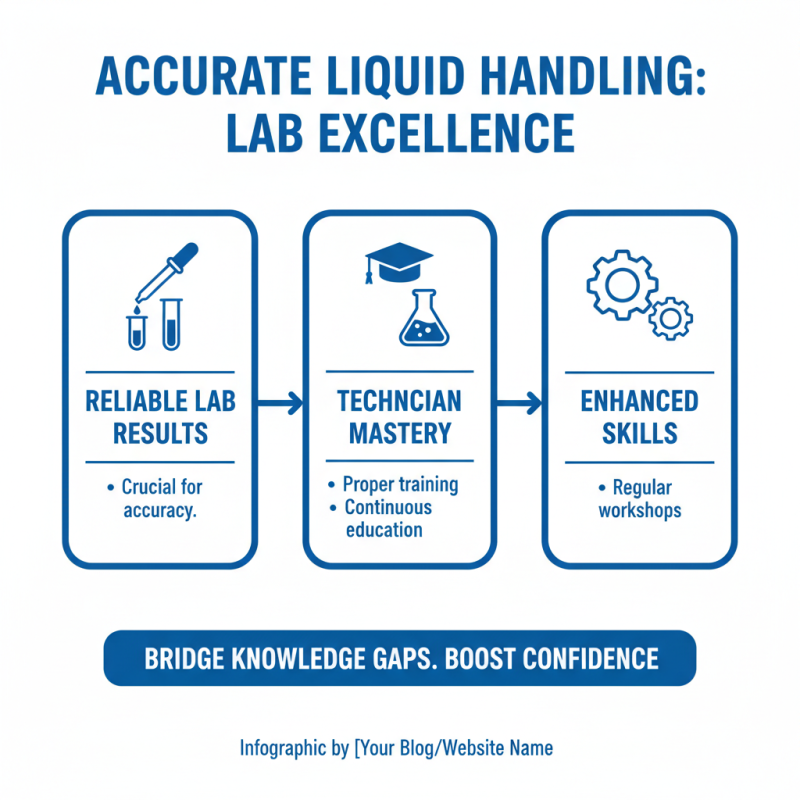
Choosing the best technique requires understanding these challenges. Training staff is essential. Additionally, continuous assessment of methods can help identify areas for improvement. This reflection ensures lab results remain accurate and reliable.
Best Liquid Handling Techniques for Accurate Lab Results
| Technique |
Description |
Application |
Accuracy |
| Pipetting |
Manual or electronic transfer of liquids using pipettes. |
Biochemical assays, cell culture. |
High |
| Microplate Dispensing |
Automated dispensing of small liquid volumes into microplate wells. |
High-throughput screening, drug discovery. |
Very High |
| Syringe Pump |
Controlled delivery of liquids at specified flow rates. |
Infusion tasks, chemical reactions. |
Moderate to High |
| Peristaltic Pump |
Moves fluids through a flexible tube using rollers. |
Fluid transfer in chemical processing and bioprocessing. |
Moderate |
| Liquid Chromatography |
Separates liquid samples into individual components. |
Analytical chemistry, purity testing. |
Very High |
| Centrifugation |
Uses centrifugal force to separate liquids based on density. |
Cell separation, protein purification. |
High |
Minimizing Contamination and Errors in Liquid Handling Processes
Accurate liquid handling is crucial in any laboratory. Contamination can easily skew results, leading to false conclusions. It's essential to prioritize cleanliness during all procedures. A small droplet of foreign substance could lead to significant errors. Researchers must remain vigilant and avoid distractions.
Using sterile techniques can minimize the risk of contamination. Ensure all tools and liquids are properly sterilized. Work in clean environments, reducing airborne particles. Sometimes, an overlooked area can be the source of contaminants. Regularly inspecting workspaces will help identify and address these issues.
Human error is another significant factor in liquid handling. Even experienced scientists may make mistakes. Adopting a systematic approach can reduce errors. Double-checking measurements is a good practice. Training staff constantly can further elevate accuracy levels. However, it’s important to acknowledge that perfection is tough to achieve. Mistakes will happen, and learning from them is crucial.
Best Liquid Handling Techniques for Accurate Lab Results
This chart illustrates the error rates associated with various liquid handling techniques used in laboratory settings. Minimizing these error rates is crucial for achieving accurate lab results and minimizing contamination in liquid handling processes.