What Are the Best Food Safety Kits for Home Use?
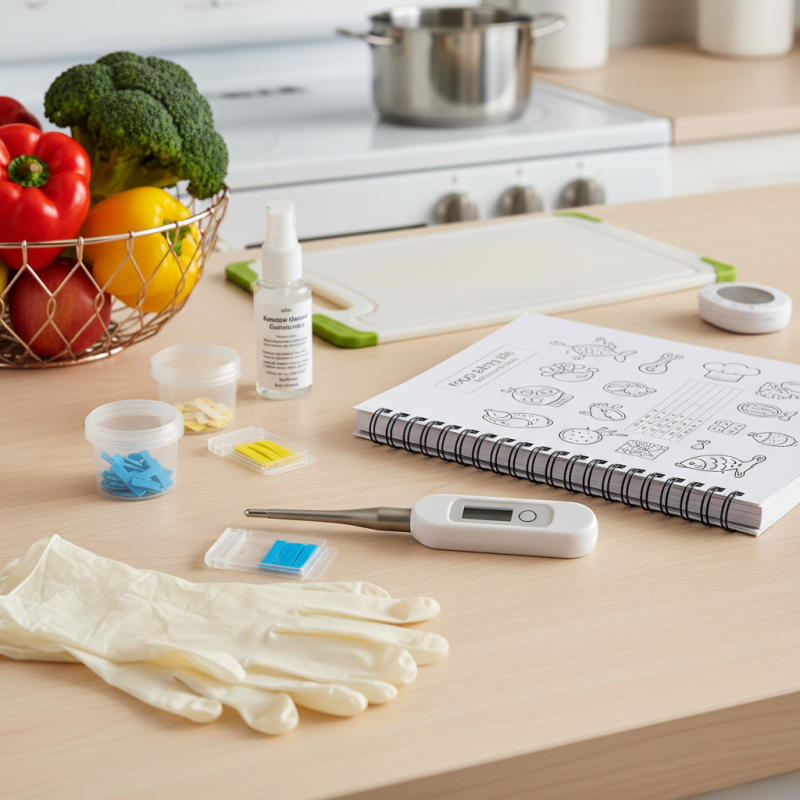
Ensuring food safety at home is essential for health. Food Safety Kits are valuable tools for maintaining a secure kitchen. These kits typically include thermometers, testing strips, and guides for safe food handling.
Every household can benefit from being proactive. Kitchen accidents, like foodborne illnesses, often stem from improper practices. Investing in a Food Safety Kit can mitigate many of these risks. Each kit serves as a reminder to check temperatures and follow hygiene protocols.
While these kits are helpful, they're not foolproof. Users need to educate themselves on food safety as well. Relying solely on tools, without understanding their use, can lead to mistakes. Awareness and practice are paramount for real safety.
Understanding Food Safety Kits: Importance for Home Use
Food safety kits are essential for homes. They help ensure that food is stored and prepared safely. These kits typically include thermometers, gloves, and sanitizers. Each item plays a role in reducing the risk of foodborne illnesses. For instance, a thermometer ensures meats are cooked to the right temperature. This simple step can prevent serious health issues.
Many people overlook the importance of proper food handling. They might skip the gloves or forget to sanitize surfaces. This can lead to cross-contamination. Small mistakes, like using the same cutting board for raw meat and vegetables, can have serious repercussions. Sometimes, we underestimate how quickly bacteria can spread. A food safety kit serves as a reminder to practice good habits.
Using a food safety kit encourages mindfulness in the kitchen. It may seem tedious, but it saves time and health in the long run. Having the right tools can empower individuals to create safer meals. Reflecting on our habits can reveal areas needing improvement. Investing in food safety tools can lead to better practices at home.
Key Components of an Effective Food Safety Kit
When creating a food safety kit for home use, certain components are essential for effective management. An accurate food thermometer is a must-have. It helps ensure that meat and other perishables are cooked to safe temperatures. Inaccurate cooking can lead to foodborne illnesses. Don't underestimate this tool; it’s crucial for your kitchen.
Another important item is color-coded cutting boards. Using different boards for meat, vegetables, and dairy can reduce cross-contamination. This step is often overlooked but should be a priority. Large families or frequent cooks especially need this. Also, having sanitizing wipes nearby can help maintain cleanliness.
Lastly, include food storage bags and labels. These can assist in proper food storage. They help avoid confusion and reduce waste. However, remember that even the best kits can’t replace basic hygiene practices. Rushing can lead to mistakes, so take your time. Reflect on your habits and make necessary adjustments. A well-organized kit is only part of the equation.
Top Recommended Food Safety Kits for Home Use
When it comes to ensuring food safety at home, having the right tools is crucial. Food safety kits can help manage risks effectively. These kits typically include thermometers, test strips, and hand sanitizers. Each component serves a vital purpose. For instance, a reliable thermometer can help ensure meats are cooked to safe temperatures. This is essential in preventing foodborne illnesses.
Another important item is test strips for checking the pH levels of foods. These strips can reveal if a food item is safe for consumption. It’s an easy way to avoid potential hazards, yet many overlook this aspect. Hand sanitizers also play a significant role. Proper hand hygiene minimizes the chance of cross-contamination. It's surprising how often we forget to wash our hands properly.
Many people are unaware of the importance of regular checks and maintenance. The kit itself is only useful if you know how to use it properly. It's easy to become overconfident. In reality, food safety requires diligence and constant attention. Investing in quality food safety kits is just the beginning. You must also continuously educate yourself and your family about best practices.
Best Food Safety Kits for Home Use
This chart showcases the effectiveness ratings of various food safety kits based on user feedback and safety features. Each kit is evaluated based on a scale from 1 to 10, where 10 represents the highest level of effectiveness.
How to Properly Maintain and Utilize Your Food Safety Kit
Maintaining a food safety kit at home requires diligence and proper practices. A study shows that 48 million people get sick from foodborne illnesses in the U.S. each year. This statistic underscores the importance of efficiently using food safety tools. Start by regularly checking the contents of your kit. Thermometers, gloves, and sanitizers are essential. Replace items as needed.
Utilizing your kit effectively involves consistent practices. Use thermometers to check food temperatures. Foods should be cooked to safe levels; poultry, for instance, needs to reach 165°F. When handling raw ingredients, wear gloves to minimize cross-contamination. Rinse surfaces with disinfectants after contact with raw meat. Yet, many people underestimate cleaning. A survey found that only 40% of home cooks properly clean their preparation areas. This neglect can lead to serious health risks.
Education is also key. Understanding food safety principles allows for better use of your kit. Read instructions for thermometers and sanitizers. Periodically review food safety guidelines from reliable sources. Remember, without ongoing education and practice, even the best kit may not suffice. Regular training can reinforce good habits in the kitchen.
What Are the Best Food Safety Kits for Home Use? - How to Properly Maintain and Utilize Your Food Safety Kit
| Kit Name | Contents | Best For | Price Range | Maintenance Tips |
| Essential Food Safety Kit | Thermometer, food handling gloves, sanitizing wipes | General kitchen use | $30 - $50 | Replace thermometer batteries annually; check gloves for tears. |
| Meat Preparation Kit | Meat thermometer, color-coded cutting boards, gloves | Meat handling and preparation | $40 - $70 | Sanitize boards after each use; calibrate thermometer monthly. |
| Produce Washing Kit | Vegetable brush, sanitizing spray, gloves | Fruits and vegetables | $25 - $45 | Replace sanitizing spray every 6 months; clean brushes regularly. |
| Cooking and Storage Kit | Food thermometer, freezer bags, label maker | Cooking and storing leftovers | $35 - $55 | Label all stored items; check freezer temperatures monthly. |
| Allergen Safety Kit | Allergen testing strips, gloves, wipes | Allergen-sensitive cooking | $50 - $80 | Check expiration dates on strips; sanitize surfaces before use. |
Tips for Choosing the Right Food Safety Kit for Your Needs
When selecting a food safety kit for home use, consider several essential factors. A report by the U.S. Food and Drug Administration reveals that nearly 48 million Americans fall ill due to foodborne illnesses each year. A good food safety kit can help reduce this risk.
Tip 1: Assess Your Cooking Habits
Evaluate how often you cook and the types of food you handle. If you often prepare raw meat, include items to test for cross-contamination and bacteria.
Tip 2: Assess Necessary Tools
Consider tools like thermometers, test strips, and sanitizers. Ensure your kit provides adequate coverage for your cooking needs. Often, kits may lack critical tools that you need.
Tip 3: Read User Feedback
Check reviews to learn about the kit's effectiveness. Some kits might sound perfect but fail in real-life use. Feedback can help you avoid common pitfalls.
Choosing the right food safety kit might seem straightforward. However, several factors can complicate the decision. Regularly assess your kitchen and adapt the kit based on your evolving needs to ensure you stay safe.