
Better sleep can begin with something small: a flexible strip across the nose, gentle pressure, and a clearer sense of airflow. Breathing Strips are designed to lift the outer nasal passages, which may make nasal breathing feel easier during the night. They do not add oxygen, cure congestion, or treat sleep apnea. That distinction matters.
This guide examines seven popular Breathing Strips for comfort, adhesion, skin sensitivity, design, and value. We will consider how each strip feels after several hours, whether it stays attached to clean, dry skin, and how easily it comes off in the morning. A good strip should not leave sharp edges, painful residue, or irritated skin around the nose. Small details count. So does real-world use.
Personal experience can reveal practical problems that product pages overlook. A strip may work well in a cool bedroom but loosen after sweating. Another may feel strong but irritate delicate skin. Evidence on nasal strips and sleep quality remains limited, and results vary between individuals. Some users may notice less mouth breathing, while others may feel no meaningful difference. That uncertainty deserves attention, not hype.
People with persistent snoring, daytime fatigue, blocked nasal passages, or suspected sleep apnea should seek professional medical advice. Breathing Strips may support easier nasal breathing, but they are not a substitute for diagnosis or treatment. The best choice depends on your nose, skin, sleeping position, and expectations. There is no perfect option.
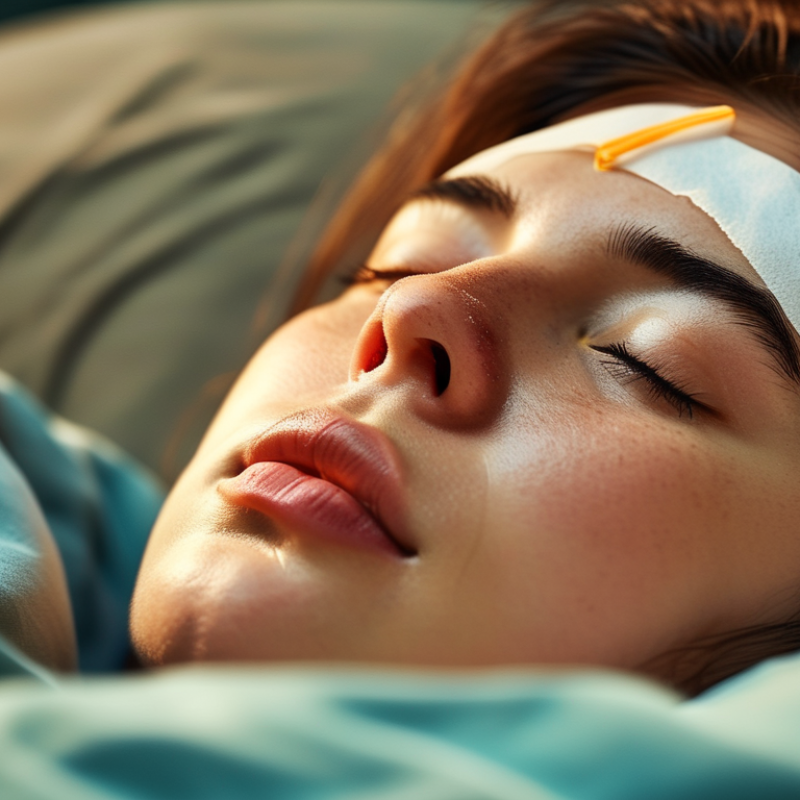
Breathing strips are adhesive nasal dilators placed across the bridge of the nose. They gently lift the nasal passages from outside. This may reduce the sensation of blockage during sleep. Some users notice easier airflow, fewer mouth-breathing moments, and a less dry throat in the morning. The effect is mechanical, not medicinal. It does not relax the throat muscles or control brain signals that regulate breathing.
The CDC reports that about one in three U.S. adults regularly sleeps too little. Nasal congestion, allergies, and a narrow nasal passage can make nighttime breathing feel harder. A strip may help in these situations. It works best on clean, dry skin, with the center aligned over the nose. Remove it slowly after waking. Small details matter. Skin irritation can occur.
The evidence has limits. Clinical reviews suggest nasal strips can improve perceived nasal airflow, but they do not reliably reduce obstructive sleep apnea. The American Academy of Sleep Medicine treats loud snoring, gasping, and repeated breathing pauses as warning signs requiring evaluation. A strip is not an apnea treatment. It may also feel useful without improving sleep quality. That distinction is easy to miss. Anyone with persistent fatigue, morning headaches, or witnessed pauses should discuss testing with a qualified clinician.
Nasal breathing strips are adhesive, spring-like devices that gently lift the sides of the nose and may reduce the sensation of nasal blockage. They can support easier nasal airflow for some sleepers, but they do not deliver medication, remove nasal inflammation, or treat obstructive sleep apnea.
Evidence-oriented rating: 3 = well-established function or use, 2 = possible benefit with mixed results, 1 = limited or indirect support, 0 = not a treatment function. Ratings summarize the type of evidence rather than measuring the performance of any company or brand.
Choosing a breathing strip involves more than comparing package counts. Start with adhesive quality. It should stay attached through the night without pulling painfully at removal. Hypoallergenic materials may suit sensitive skin, but “gentle” labels still deserve scrutiny. Check the listed ingredients and avoid products containing substances that have irritated you before. A flexible strip should lift the nasal passages without feeling rigid or restrictive. Comfort matters after several hours, not just during a quick daytime test.
Shape and size also affect performance. A narrow strip may feel less noticeable, while a wider design can provide stronger outward support. Measure your nose carefully if sizing guidance is available.
Sweat, facial oils, and skincare products can weaken adhesion. Clean, dry skin usually helps.
I initially thought stronger tension meant better results, but excessive pull can cause redness and discomfort. That assumption needs reconsidering.
Look for clear instructions, transparent material information, and realistic claims. A breathing strip may support airflow through the nose, yet it cannot treat sleep apnea or explain every cause of snoring.
Persistent snoring, gasping, morning headaches, or daytime exhaustion should be discussed with a qualified healthcare professional.
A short trial can reveal practical issues, such as residue, nighttime peeling, or difficult removal. Small details matter. Check whether the strip feels comfortable in your usual sleeping position. A product that works briefly but disrupts sleep is not a meaningful improvement.
Breathing strips can make nasal breathing feel easier, but each design suits a different sleep need. A gentle adhesive strip may help first-time users who dislike strong pressure. Sensitive skin often benefits from a hypoallergenic strip with rounded edges. It should remove without pulling the skin. Extra-wide strips may suit people who notice blockage across the upper nose. However, wider is not always better.
A low-profile strip can work well for light sleepers who feel every small movement. A flexible strip may suit side sleepers because it bends when the nose presses against a pillow. Active sleepers may prefer a stronger-hold design that stays attached through sweat and tossing. A reusable silicone strip offers another option for people who dislike disposable adhesives. Clean it carefully and replace it when the material loses shape. It sounds simple, but comfort changes over time.
I once assumed the strongest strip would work best. It did not. My skin felt sore, and I slept worse. Test one design during a quiet night, then check for redness the next morning. Strips may support airflow through the nose, but they do not treat sleep apnea, severe congestion, or breathing pauses. Anyone waking gasping, snoring loudly, or feeling unusually tired should discuss those symptoms with a qualified healthcare professional. Stop using a strip if irritation, swelling, or discomfort develops.
| Strip Type | Best For | How It Works | Typical Lift Level | Adhesive and Comfort Features | Important Considerations |
|---|---|---|---|---|---|
| 1. Standard External Nasal Strip | Everyday nighttime nasal stuffiness | A flexible spring-like band gently pulls the sides of the nose outward to help widen the external nasal passages. | Moderate | Usually uses a single-use medical adhesive; lightweight and easy to apply to clean, dry skin. | May improve the feeling of nasal airflow, but it does not remove congestion or treat an underlying medical condition. |
| 2. Extra-Strength External Strip | People who need stronger outward support | Uses a firmer or wider flexible support element to provide more outward tension across the bridge of the nose. | High | Often has a stronger adhesive and may feel more noticeable during sleep. | Greater pull can increase skin irritation or discomfort, especially on sensitive skin or when removed quickly. |
| 3. Sensitive-Skin Strip | Users prone to redness, itching, or adhesive reactions | Provides external nasal support with a gentler adhesive formulation and a skin-friendly backing. | Light to moderate | Designed for easier removal; patch testing is advisable before overnight use. | Gentler adhesives may not stay attached as reliably with facial oil, sweat, moisturizer, or facial hair. |
| 4. Flexible Comfort Strip | Side sleepers and people who dislike rigid nasal bands | Uses a softer, more flexible support that follows normal facial movement while maintaining mild outward tension. | Light to moderate | Typically feels less rigid and may reduce pressure on the nasal skin during position changes. | May provide less mechanical opening than a firmer strip; correct placement remains important. |
| 5. Extra-Wide Nasal Strip | People seeking broader contact across the nose | Covers a larger area of the nasal bridge and distributes outward force over a wider surface. | Moderate to high | Can feel more secure when properly centered; requires enough flat, clean skin for full adhesion. | May be unsuitable for small nasal bridges or people who find larger adhesive areas uncomfortable. |
| 6. Internal Nasal Dilator | Users who prefer no adhesive on the skin | A small reusable or disposable insert gently supports the internal nasal walls to help maintain an open passage. | Moderate | No external adhesive; must be correctly sized and cleaned according to the product instructions. | Some users notice pressure, dryness, or an unusual sensation. Do not share reusable nasal devices. |
| 7. Drug-Free Nasal Support Strip | People who want mechanical support without medication | Improves nasal airflow mechanically through external lifting and contains no decongestant drug. | Light to moderate | Suitable for users avoiding medicated nasal products; generally intended for one-time use. | It cannot replace treatment for allergies, chronic nasal obstruction, asthma, or sleep-disordered breathing. |
| Safety note: Breathing strips may help reduce the sensation of nasal blockage for some people, but they are not a treatment for obstructive sleep apnea, severe congestion, or other breathing disorders. Stop using a strip if it causes significant irritation, swelling, pain, or difficulty breathing. Persistent loud snoring, witnessed pauses in breathing, gasping during sleep, or excessive daytime sleepiness should be discussed with a qualified healthcare professional. | |||||
Breathing strips can gently widen the nasal passages, but they do not treat sleep apnea. The American Academy of Sleep Medicine and Sleep Research Society recommend at least seven hours of sleep for most adults. Still, better sleep depends on more than airflow. CDC surveillance reports that about one in three U.S. adults regularly get insufficient sleep.
Before choosing among seven strip styles, check the adhesive and shape. Wash your face, dry the skin, and avoid moisturiser under the strip. Place it across the upper bridge of the nose, not over the nostrils. Press the edges firmly for several seconds. Try one during the evening first. This reveals itching, redness, or uncomfortable pulling before bedtime. Remove it slowly after wetting the edges. I would not stretch the strip aggressively; stronger tension does not mean better breathing.
Tips: Use breathing strips only as directed on the package. Do not apply them to broken, sunburned, or irritated skin. Stop if swelling, rash, nosebleeds, or breathing discomfort appears. People with loud snoring, witnessed breathing pauses, morning headaches, or persistent daytime sleepiness should seek medical assessment. A strip may feel helpful, yet that feeling can be misleading. Evidence reviews generally find improved nasal airflow, but inconsistent effects on snoring and sleep-disordered breathing. Children, people with sensitive skin, and those recovering from nasal procedures should ask a qualified clinician first.
Breathing strips may gently lift the sides of the nose and improve airflow through the nasal passage. Their value depends on the cause of nighttime breathing trouble. A strip cannot remove deep congestion or treat obstructive sleep apnea. The word “best” is misleading here.
Useful options include hypoallergenic adhesive strips, flexible fabric strips, wider strips, sensitive-skin designs, and versions with stronger external tension. Silicone-style supports may suit some users, while porous paper strips can feel lighter. Choice should depend on skin sensitivity, nasal shape, and comfort. A larger strip is not automatically more effective.
Apply one to clean, dry skin above the nostrils. Avoid broken skin, active rashes, or recently irritated areas. Remove it slowly after moistening the adhesive. Stop using it if redness, swelling, itching, or pain develops. Adhesive reactions can appear after several nights, so a small daytime test is sensible.
Research supports modest airflow benefits, but sleep quality results vary. Some people notice easier nasal breathing; others notice no change. That difference matters. Persistent loud snoring, choking sounds, morning headaches, or daytime sleepiness deserve medical evaluation. These signs may indicate a sleep disorder rather than simple nasal narrowing. Children, pregnant users, and people with chronic breathing conditions should seek professional advice before regular use.