2026 Top Pipette Lab Equipment Innovations and Trends?
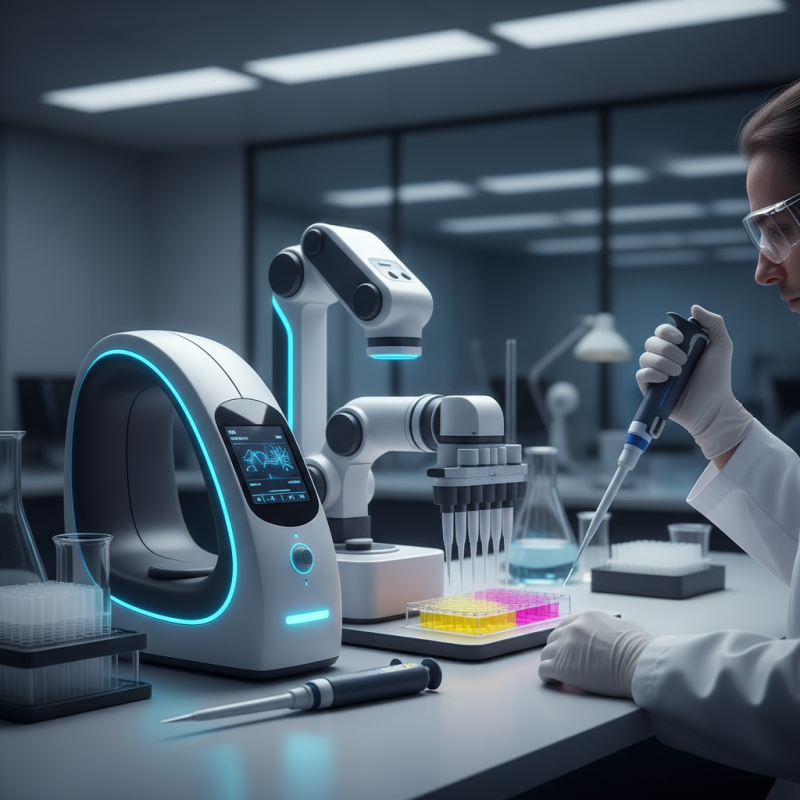
The pipette lab equipment market is rapidly evolving. Innovations in design and function are paving the way for more efficient lab practices. As we look ahead to 2026, several trends are emerging that could significantly impact laboratories worldwide.
One major focus is on ergonomics. Many researchers are suffering from repetitive strain injuries caused by traditional pipetting methods. New designs prioritize user comfort. Features like weight distribution and adjustable grips are becoming standard. This shift can enhance productivity and reduce injury risks.
Another key trend is automation. Labs are increasingly adopting automated pipette systems. These systems can perform high-throughput tasks with precision. However, the integration of such technology raises questions. Will the essence of manual pipetting be lost? Balancing tradition with innovation will be crucial for labs moving forward.
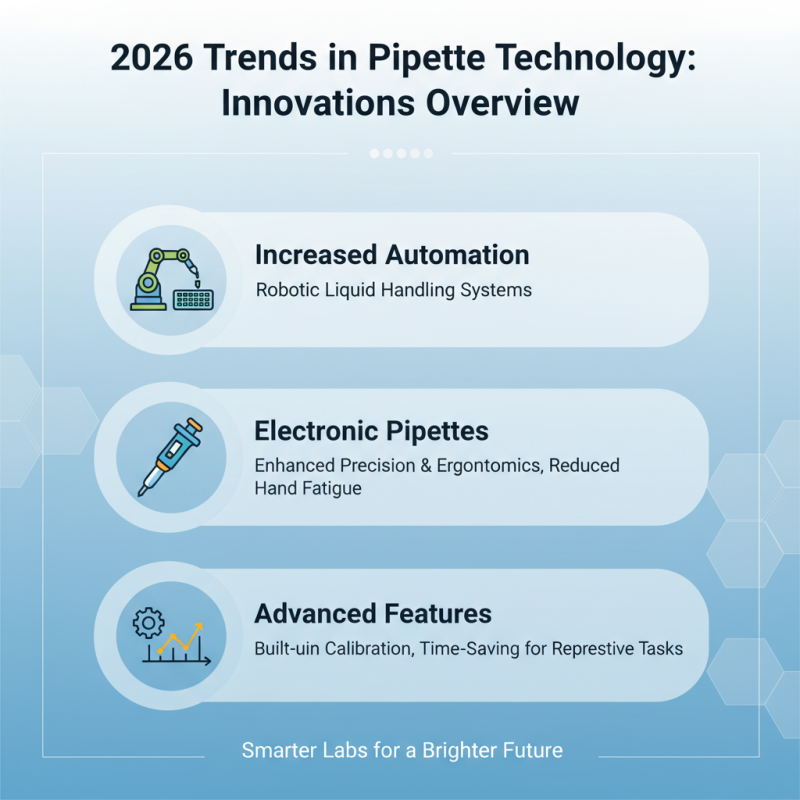
2026 Trends in Pipette Technology: Overview of Innovations
The pipette technology landscape is evolving rapidly. In 2026, we see a shift towards increased automation. Lab professionals are leaning towards electronic pipettes. These tools offer precision and reduce hand fatigue. An electronic option can save time during repetitive tasks. Advanced features like built-in calibration ensure accuracy.
Sustainability will also shape pipette design. More manufacturers are focusing on eco-friendly materials. Reusable tips are gaining popularity. These changes reflect a growing awareness of environmental impact. However, there are challenges with these innovations. Not all labs may embrace new technologies immediately. Training staff on advanced tools can be a hurdle.
Additionally, the trend of data integration is emerging. Pipettes are becoming intelligent devices. They can connect to laboratory information management systems (LIMS). Yet, not all users are tech-savvy. This gap can lead to underutilization of advanced features. It’s essential for labs to evaluate their readiness for these upgrades. Overall, these trends highlight a blend of innovation and reflection.
Impact of Digitalization on Pipette Precision and Accuracy Standards
Digitalization is changing the landscape of pipetting technology. As laboratories adopt advanced technologies, precision and accuracy standards evolve. Recent reports indicate that over 70% of labs are investing in digital pipettes. These devices enhance reproducibility by automatically adjusting volumes based on user input. This integration supports researchers in minimizing human error.
However, transitioning to digital systems isn't always seamless. Some users find initial setup complex and time-consuming. Additionally, untrained staff may struggle with new features. The learning curve can lead to inconsistencies in results until users gain confidence. Regular training sessions can help mitigate these challenges.
Tip:
Regularly calibrate digital pipettes to maintain accuracy. Calibration ensures that measurements remain within the required standards.
Another challenge is
data management. Digital pipettes often integrate with laboratory information management systems (LIMS). However, not all labs have robust LIMS infrastructure. This gap can lead to data discrepancies. Researchers must be cautious about data entry methods to uphold integrity.
Tip: Conduct
periodic audits of data entry processes. This can help identify inconsistencies and enhance reliability.
By addressing these challenges, labs can fully leverage the benefits of digitalization, achieving improved accuracy and precision. The journey is ongoing, requiring continuous adaptation and reflection. Each deviation from expected results is an opportunity to refine practices.
Sustainability in Pipette Manufacturing: Eco-Friendly Innovations
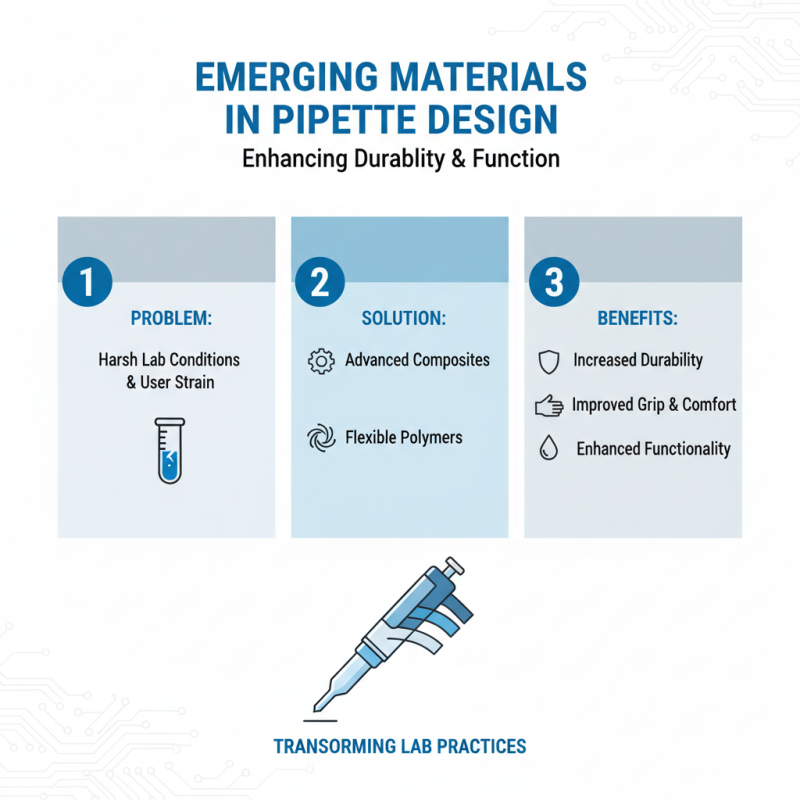
In recent years, the push for sustainability has significantly influenced pipette manufacturing. Eco-friendly materials are being adopted for pipette components. Biodegradable plastics and recyclable metals are gaining popularity. These innovations reduce environmental impact. However, the effectiveness of these materials is still under scrutiny. Many manufacturers are striving for balance between sustainability and performance.
Another trend is energy-efficient manufacturing processes. These processes aim to reduce waste and energy consumption. Although progress is evident, challenges remain. Not all manufacturers prioritize eco-friendly methods, and this inconsistency can create confusion. Some labs still rely heavily on traditional methods. This raises questions about the industry's commitment to sustainability.
Furthermore, user awareness plays a crucial role. As lab professionals demand greener options, manufacturers must adapt. Education about sustainable choices can drive change. However, many labs are unaware of these developments. It's essential for the industry to bridge this gap. Ultimately, ongoing dialogue about sustainability can lead to meaningful improvements in pipetting technologies.
Sustainability in Pipette Manufacturing: Eco-Friendly Innovations
Market Forecast: Growth Projections for Pipette Equipment by 2026
As the pipette market evolves, growth projections for pipette equipment by 2026 indicate a significant upward trend. According to recent industry reports, the global pipette market is expected to reach approximately $1.5 billion by 2026. This growth signifies an increasing demand for precision in laboratory settings. The rise of automation and digital solutions in lab processes contributes to this shift.
Innovations are shaping the future of pipetting. Electronic pipettes are on the rise, offering improved accuracy and ease of use. These devices reduce user fatigue and minimize errors. Yet, the adoption rate varies among laboratories. Many still rely on traditional manual pipettes, raising questions about efficiency. The cost of transitioning to advanced pipetting technologies can be a barrier for smaller labs.
Additionally, sustainability is becoming a priority in the production of lab equipment. Manufacturers are exploring eco-friendly materials and practices. However, this transition is not seamless. Labs must balance cost with environmental responsibility. As the market evolves, they face challenges in ensuring quality while adapting to new trends. The journey towards innovation in pipetting equipment reveals both aspirations and hurdles that need addressing.
2026 Top Pipette Lab Equipment Innovations and Trends
| Innovation/Trend |
Description |
Projected Growth (%) |
Market Share (%) |
| Electronic Pipettes |
Integration of digital controls for precision and ease of use. |
15 |
35 |
| Multichannel Pipettes |
Increased throughput by allowing multiple samples to be handled simultaneously. |
10 |
28 |
| Ergonomic Designs |
Focus on reducing hand strain and improving the user experience. |
8 |
20 |
| Smart Pipettes |
Use of IoT technology for monitoring and data collection. |
12 |
10 |
| Sustainable Materials |
Shift towards eco-friendly materials in pipette manufacturing. |
5 |
7 |